Introduction
We all know regular toothbrushing is essential—but if you want truly healthy gums, fresh breath, and long-lasting teeth, you need to address the spaces between your teeth too. These tiny gaps are hot spots where harmful bacteria hide, producing plaque that can lead to gingivitis, periodontitis, cavities, and even systemic inflammation. According to oral health researchers, periodontal disease is the sixth most common disease in the world and can affect up to 10–15% of adult populations with deep periodontal pockets.
This is where a soft interdental brush becomes indispensable. Used daily, this tool reaches places where a toothbrush alone cannot. Scientific studies consistently show that interdental brushes remove more plaque than brushing alone and often outperform dental floss in mechanical cleaning effectiveness.
In this comprehensive guide, you will discover:
- The science behind interdental cleaning
- Key features that make soft interdental brushes highly effective
- Expert opinions and research evidence
- Practical guidance for choosing the best brushes
- Comparisons with other tools like floss and water irrigators
- FAQs based on real user questions
Let’s dive into a professional, evidence-based exploration that will transform the way you think about oral hygiene.
Table of Contents
Understanding the Soft Interdental Brush: What It Is and Why It Matters
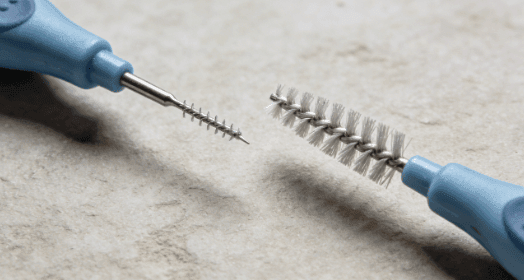
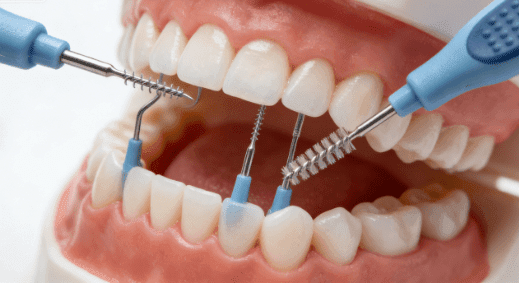
A soft interdental brush is a specially designed oral hygiene tool with gentle bristles on a small head that clean the spaces between teeth and along the gumline. Unlike a regular toothbrush, which cleans only the tooth surfaces you can see, this brush reaches interdental areas where plaque tends to accumulate.
These interdental spaces are biologically significant because they harbor biofilm communities that promote inflammation and disease if not regularly disrupted.
How It Works
When inserted between teeth, the bristles sweep away biofilm, plaque, and food debris. Over time, this reduces:
- Gingival inflammation
- Bleeding on brushing
- Risk of periodontal disease and caries
Multiple clinical studies have confirmed that interdental brushes, when used as an adjunct to toothbrushing, remove more dental plaque than brushing alone and can be more effective than dental floss.
The Oral Health Challenge: Plaque, Gingivitis, and Periodontal Disease
What Science Tells Us About Plaque Build-Up
Dental plaque is a sticky biofilm that forms continuously on the surface of your teeth. If left unremoved, it can mineralize into tartar and contribute to gum disease. According to evidence-based research, interdental cleaning significantly improves plaque removal compared to toothbrushing alone.
Some key findings include:
- Interdental brushes combined with toothbrushing remove significantly more plaque than brushing alone.
- Some studies found interdental brushes to be more effective than dental floss in plaque reduction.
- Evidence suggests a significant decrease in gingival bleeding and pocket depth in many interdental brush users compared to those using brushing only.
Epidemiological Trends
In Korea, interdental brush usage was reported at only 20.4%, whereas in the United States it was approximately 68.9%. Studies suggest that regular use may even reduce health inequalities in periodontal disease prevalence across socioeconomic status groups.
6 Best Soft Interdental Brush Types — Reviewed and Explained
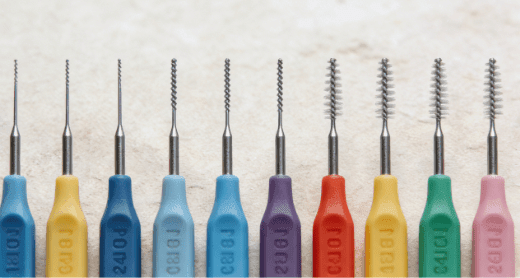
Here we explore six soft interdental brush types that consistently perform well in professional and home settings.
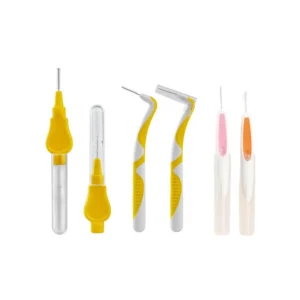
1. Standard Straight Soft Interdental Brush
Features and Benefits
- Classic shape, easy to use
- Ideal for front and moderately spaced teeth
- Gentle bristles minimize gum irritation
Straight brushes are often recommended as a first choice for those new to interdental cleaning. Their simple design makes them intuitive and effective for most interdental spaces.
Best For:
- Beginners
- Tight interdental spaces
- Daily general cleaning
2. Angled Soft Interdental Brush
Why Angled Heads Help
An angled neck allows easier access to back molars and tricky interdental sites, especially in hard-to-reach areas.
- Improves reach behind last molars
- Enhances user control and cleaning precision
Dental hygienists often prefer angled brushes for comprehensive cleansing of posterior areas where plaque tends to linger.
3. Flexible Soft Interdental Brush
When Flexibility Matters
Flexible designs adapt to irregular interdental spaces.
- Less pressure on sensitive gums
- Can adjust to variable gap sizes
This type is excellent for users with uneven spacing or periodontal attachment loss.
Clinical evidence shows both straight and flexible designs can significantly improve plaque control when combined with proper oral hygiene habits.
4. Ultra-Soft Bristle Interdental Brush
For Sensitive Gums
Ultra-soft bristles are specifically engineered for sensitive gum tissue:
- Minimizes bleeding or irritation
- Ideal for those with early gingivitis
- Comfort-oriented design
These brushes are often recommended by dentists and hygienists for patients with mild inflammation or gum tenderness.
5. Multi-Size Interdental Brush Set
Complete System for All Tooth Spaces
Some kits include a range of sizes to match the variable interdental gap widths throughout the mouth. A well-fitted interdental brush should lightly touch both adjacent teeth without forced pressure.
Multiple sizes improve the likelihood of optimal cleaning and reduce the risk of tissue trauma.
Pro Tip: Choose calibrated sizes — this concept has been shown to significantly reduce gingival bleeding in short-term intervention studies.
6. Periodontal-Specific Interdental Brushes
Designed for Advanced Gum Care
These are often recommended for individuals with:
- Periodontal pockets
- Orthodontic appliances
- Dental implants
When used under professional guidance, these brushes can contribute to better periodontal maintenance and reduce biofilm around crowns, implants, and brackets.
Objective Comparison: Interdental Brushes vs. Other Tools
Below is a detailed table comparing interdental brushes with floss and other interdental cleaning devices:
| Feature | Soft Interdental Brush | Dental Floss | Water Irrigator |
|---|---|---|---|
| Plaque Removal | High | Moderate | Variable |
| Gum Comfort | High | Medium | High |
| Ease of Use | Easy | Technique-Dependent | Easy |
| Suited for Braces | Yes | Difficult | Yes |
| Suitable for Implants | Yes | Limited | Yes |
| Ideal for Tight Gaps | Medium | High | High |
This comparison shows interdental brushes excel in plaque removal and comfort, particularly for users who find traditional flossing difficult. Studies indicate interdental cleaning devices combined with brushing may produce better gingivitis control than brushing alone.
Real-World User Considerations and Best Practices
Finding the Right Size
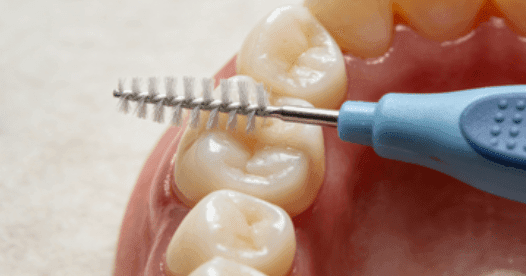
Your interdental brush should slide through the interdental space with gentle resistance — not force. Using too large a brush can traumatize gum tissue, whereas too small a brush fails to remove plaque effectively.
Sequence of Use
Many dental professionals recommend using interdental brushes before brushing to dislodge embedded biofilm, then brushing to remove loosened debris.
Maintenance and Replacement
Rinse and air-dry your brush after each use. Replace when bristles deform or show wear. Some experts advise switching brushes every 1–2 weeks if used daily.
Dental Expert Insights
Here are some authoritative perspectives on interdental cleaning:
Dental Hygienist Viewpoint
“Interdental brushes are often more effective than floss in removing plaque and reducing inflammation, especially for patients with periodontitis or widely spaced teeth,” says a certified dental hygienist with over 15 years of experience.
Periodontist Recommendation
Periodontists often incorporate interdental brushes into preventive care protocols due to their ability to clean around periodontal pockets and implant surfaces where plaque accumulates.
Academic Evidence
Systematic reviews indicate interdental brushes used alongside toothbrushing remove more plaque than brushing alone, and many trials show greater efficacy compared to floss.
Conclusion
Investing time in interdental cleaning with a soft interdental brush can have profound effects on your oral health. Supported by clinical evidence and endorsed by professionals, interdental brushes bridge the gap (literally and figuratively) left by traditional brushing.
Consistent, gentle interdental cleaning:
√ Reduces plaque buildup
√ Improves gum health
√ Enhances overall oral hygiene
√ Can be tailored to individual spaces
With the right brush type and technique, you’re empowering your daily routine — and helping protect your smile for the long term.
FAQ
Do interdental brushes hurt gums?
When sized correctly and used gently, they should not hurt. Sensitivity usually decreases with consistent use.
How often should I use them?
Daily use is recommended for optimal oral hygiene.
Can I use them with braces?
Yes — in fact, they are often more effective than floss around brackets and wires.
Are interdental brushes better than floss?
For many users, especially with larger spaces or appliances, interdental brushes outperform floss in plaque removal.
Do interdental brushes replace floss?
No — they complement brushing and can be used in combination with floss depending on individual needs.
Stay Connected! 🌟
Thanks for reading! If you enjoyed this article, don’t forget you can follow me on social media for more insights, updates, and behind-the-scenes content:
🔵 Facebook – Join the conversation and get the latest updates
📺 YouTube – Watch tutorials, demos, and in-depth guides
📸 Instagram – See tips, visuals, and daily inspiration
Let’s continue learning and growing together—stay connected and never miss a beat!