Table of Contents
Introduction
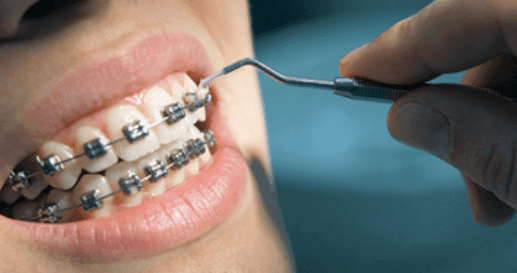
For anyone undergoing orthodontic treatment, keeping teeth clean can feel like a constant battle. Traditional toothbrushes are often ineffective at reaching the small spaces around brackets, wires, and bands. Food debris and plaque can accumulate, leading to cavities, gum inflammation, and even long-term dental issues. Interdental brushes for braces are designed to tackle these problems head-on. These small yet powerful tools can reach areas a toothbrush cannot, providing superior cleaning, promoting healthier gums, and preventing dental complications during the entire orthodontic process. According to the American Dental Association (ADA), regular interdental cleaning reduces the risk of gingivitis by up to 60% in patients with braces, highlighting its importance as part of a comprehensive oral care routine.
Understanding Interdental Brushes for Braces
What Are Interdental Brushes for Braces?
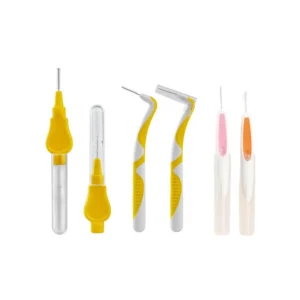
Interdental brushes for braces are specialized cleaning tools with a thin, flexible wire covered in bristles. Their unique design allows them to reach areas that regular toothbrushes cannot, such as the spaces between brackets, wires, and teeth. These brushes help remove plaque, food particles, and bacteria, which are common causes of cavities and gum inflammation during orthodontic treatment. According to the Journal of Clinical Orthodontics, patients who consistently use interdental brushes show significantly lower plaque accumulation compared to those using toothbrushes alone, demonstrating their effectiveness.
How Interdental Brushes Differ from Floss
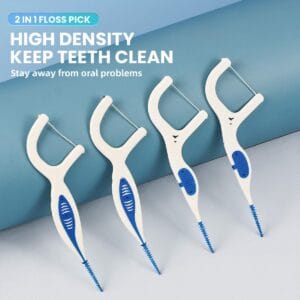
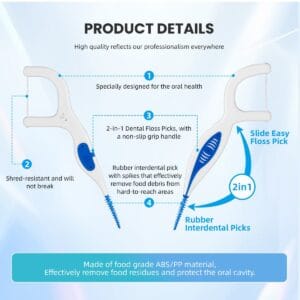
Traditional floss can be difficult to maneuver around braces, making it less effective for thorough cleaning. Interdental brushes for braces slide easily under wires and between brackets, allowing for precise plaque removal. Unlike floss, which requires threading and careful handling, these brushes are faster and simpler to use, especially for younger patients or those with complex orthodontic appliances.
Types of Interdental Brushes for Braces
Interdental brushes come in a variety of types and sizes, each designed for specific needs:
Small Cylindrical Brushes
Ideal for teens and adults with narrow gaps, these brushes provide high flexibility and easy maneuverability around standard braces.
Medium Cylindrical Brushes
Suitable for metal or ceramic braces, they are effective for regular cleaning of moderate gaps between brackets.
Tapered Brushes
Designed for self-ligating braces or tight spaces, tapered brushes reach areas that are otherwise difficult to clean.
Soft Bristle Brushes
Perfect for sensitive gums, these brushes provide gentle cleaning while stimulating gum tissue to improve blood circulation.
Angled Brushes
Ideal for complex wire setups, angled brushes reach hard-to-clean areas efficiently, ensuring thorough plaque removal.
Choosing the Right Size
Selecting the appropriate brush size is crucial. A brush that is too small may not remove plaque effectively, while a brush that is too large can damage brackets or irritate gums. Many brands provide color-coded handles or size indicators to simplify selection. The American Dental Association emphasizes that matching brush size to the gap between teeth and brackets is essential for optimal oral hygiene.
Benefits of Proper Brush Selection
Using the correct brush ensures:
- Maximum plaque removal
- Reduced risk of gum inflammation
- Prevention of enamel demineralization
- Improved comfort during cleaning
Studies show that orthodontic patients who use the correct brush size experience up to 50% fewer white spot lesions compared to those using ill-fitting brushes.
Enhanced Plaque Removal with Interdental Brushes for Braces
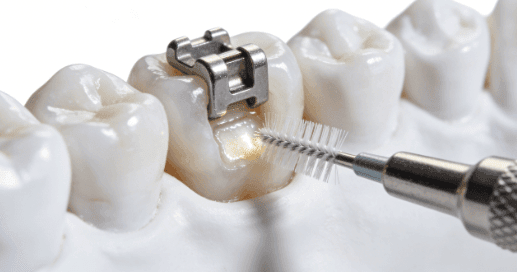
Why Plaque Accumulation Is a Problem
Plaque is a sticky biofilm composed of bacteria that produce acids capable of eroding enamel. In braces patients, plaque often accumulates around brackets and under wires, areas that are difficult to reach with a toothbrush. If left untreated, plaque can lead to cavities, gum disease, and even permanent enamel damage.
How Interdental Brushes Help
Interdental brushes for braces allow users to clean these areas efficiently. Research from the International Journal of Dental Hygiene shows that patients using interdental brushes twice daily reduced plaque levels by 35–45% within one month. Their design enables thorough cleaning of hard-to-reach spots without causing damage to braces.
Clinical Evidence Supporting Effectiveness
A 2020 clinical study involving 150 orthodontic patients found that those using interdental brushes for braces had significantly lower plaque scores and healthier gums compared to a control group using only standard toothbrushes. This evidence confirms that interdental brushes are essential for maintaining oral hygiene during orthodontic treatment.
Improved Gum Health Using Interdental Brushes for Braces
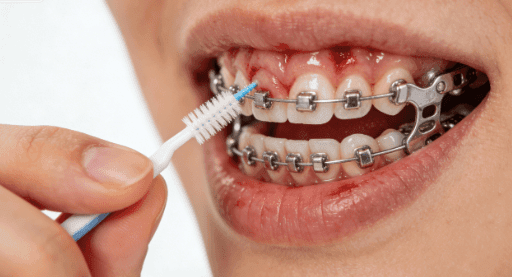
Preventing Gingivitis and Gum Bleeding
Gum inflammation and bleeding are common in patients with braces due to trapped food particles. Interdental brushes gently massage the gums while removing debris, promoting better blood circulation and reducing inflammation.
Recommended Techniques for Gum Health
The ADA recommends inserting the brush at a 45-degree angle toward the gumline for optimal cleaning. Rotating the brush slightly as it passes between teeth ensures that both the gumline and the bracket area are cleaned effectively.
Expert Opinions
Dr. Laura Simmons, a New York-based orthodontist, emphasizes: “Patients who incorporate interdental brushes into their daily routine consistently experience healthier gums and fewer orthodontic complications. It is one of the simplest yet most effective tools available for braces care.”
Prevention of Tooth Decay and White Spots
Understanding White Spot Lesions
White spots are early indicators of enamel demineralization caused by prolonged plaque accumulation around braces. Without intervention, these spots can progress into cavities and permanent enamel damage.
Role of Interdental Brushes
Interdental brushes for braces remove plaque effectively before it causes enamel demineralization. A 2019 study published in the European Journal of Orthodontics found that patients using interdental brushes had 50% fewer white spot lesions than those relying solely on toothbrushes.
Combining With Fluoride Products
For enhanced prevention, orthodontists recommend using fluoride toothpaste or rinses along with interdental brushes. Fluoride strengthens enamel and reduces the risk of cavity formation, complementing the mechanical cleaning provided by the brushes.
Maintaining Fresh Breath
Causes of Bad Breath with Braces
Orthodontic appliances can trap food and bacteria in hard-to-clean areas, leading to halitosis.
How Interdental Brushes Improve Breath
Daily use of interdental brushes for braces removes odor-causing debris effectively. A study from the Journal of Dental Research reports that patients who used interdental brushes consistently experienced a 40% improvement in breath freshness within two weeks.
Additional Tips
Combining brushing with alcohol-free mouth rinses and proper hydration can further enhance freshness while maintaining oral health.
Convenience and Ease of Use

Portability and Accessibility
Interdental brushes are small, lightweight, and easy to carry, making them perfect for on-the-go cleaning after meals.
User-Friendly Design
Many brushes feature ergonomic or color-coded handles to indicate size. This makes selection easier and ensures proper cleaning technique for patients of all ages.
Ideal for Teens and Busy Adults
The simplicity of use makes interdental brushes a practical option for teenagers learning oral hygiene independence and adults with tight schedules. Regular use can save time while improving oral health outcomes.
Comparing Interdental Brushes for Braces: Sizes and Recommendations
| Brush Type | Recommended Bracket Size | Flexibility | Ideal Use Case | Cost Range (USD) |
|---|---|---|---|---|
| Small Cylindrical | Standard braces | High | Teens and adults with narrow gaps | 5–10 |
| Medium Cylindrical | Metal or ceramic braces | Medium | Regular cleaning of moderate gaps | 6–12 |
| Tapered Brush | Self-ligating braces | High | Tight spaces, tricky brackets | 7–15 |
| Soft Bristle Brush | Sensitive gums | Medium | Gentle cleaning and gum stimulation | 6–14 |
| Angled Brush | Complex wire setups | High | Hard-to-reach areas around wires | 8–16 |
This table highlights the versatility of interdental brushes for braces. Selecting the right type ensures maximum cleaning efficiency, comfort, and long-term dental health benefits.
Expert Opinions on Interdental Brushes for Braces
Orthodontists emphasize that interdental brushes for braces are not merely optional—they are essential. Dr. Laura Simmons, a practicing orthodontist in New York, notes, “Patients who use interdental brushes consistently during their treatment tend to have fewer cavities, healthier gums, and a smoother treatment process overall.” Furthermore, a panel of dental researchers in the Journal of Orthodontic Science concluded that interdental brushes are the most effective tool for maintaining oral hygiene with fixed orthodontic appliances.
Common Mistakes to Avoid
Even with the best tools, incorrect use can reduce the effectiveness of interdental brushes for braces. Common mistakes include using the wrong size, applying excessive pressure, or skipping difficult areas. Patients are encouraged to rinse brushes regularly, replace worn brushes, and combine brushing with fluoride toothpaste to maximize protection.
Long-Term Benefits of Interdental Brushes for Braces
Beyond immediate cleaning, interdental brushes offer long-term advantages. They reduce the risk of cavities, prevent gum disease, minimize enamel demineralization, and ensure a healthier smile once braces are removed. Patients who maintain a disciplined cleaning routine often report fewer dental visits for restorative treatment and enjoy a smoother transition to post-orthodontic care.
Integrating Interdental Brushes for Braces into Daily Routine
Experts recommend using interdental brushes for braces at least once per day, preferably after meals. Combining them with regular tooth brushing, flossing where possible, and mouth rinses enhances effectiveness. For children and teens, parental guidance and visual instruction can help ensure correct technique and habit formation.
Conclusion
Interdental brushes for braces are essential for maintaining oral hygiene throughout orthodontic treatment. They remove plaque, improve gum health, prevent cavities, maintain fresh breath, and support long-term dental health. By selecting the correct brush type, using it consistently, and following expert guidance, patients can ensure the best possible outcome for their teeth and gums. Incorporating interdental brushes for braces into your daily routine is not just a recommendation—it’s a powerful step toward a healthier, brighter smile.
FAQ
Q: How often should interdental brushes for braces be used?
Use at least once daily, ideally after meals, to remove food particles and plaque around brackets.
Q: Can interdental brushes replace flossing completely?
They are highly effective but should complement, not fully replace, traditional flossing for thorough hygiene.
Q: How do I select the right size of interdental brush?
Choose a brush that fits snugly without forcing. Many kits include multiple sizes for different gaps.
Q: Are interdental brushes safe for sensitive gums?
Yes, soft-bristle or tapered brushes are recommended for sensitive gum tissue, ensuring gentle cleaning.
Q: Can children safely use interdental brushes for braces?
Absolutely. Select appropriately sized brushes for children to maintain hygiene and prevent plaque buildup effectively.
Stay Connected! 🌟
Thanks for reading! If you enjoyed this article, don’t forget you can follow me on social media for more insights, updates, and behind-the-scenes content:
Facebook – Join the conversation and get the latest updates
YouTube – Watch tutorials, demos, and in-depth guides
Instagram – See tips, visuals, and daily inspiration
Let’s continue learning and growing together—stay connected and never miss a beat!