Are you tired of bleeding gums or stubborn plaque no matter how often you brush?
Choosing the right tool for interdental cleaning—dental floss vs interdental brush—can dramatically affect your gum health. In this detailed guide, we’ll explore the science, practical tips, and expert recommendations to help you make an informed choice that keeps your gums healthy and your smile bright.
In this article, you’ll learn:
- The key differences between dental floss and interdental brushes
- How each tool protects your gums and teeth
- Pros and cons of flossing vs using an interdental brush
- How to choose the right tool based on your dental structure
- Evidence-based insights from dentists and research studies
- Answers to frequently asked questions about gum care
- Practical tips and routines to maximize oral health
Table of Contents
Why Your Gums Matter
The Importance of Healthy Gums
Gum health is critical to overall oral health. According to the American Dental Association (ADA), over 47% of adults over 30 in the U.S. show signs of gum disease. Gingivitis, the earliest stage, can cause redness, swelling, and bleeding. Without proper care, it can progress to periodontitis, leading to tooth loss.
How Plaque Affects Gums
Plaque is a sticky film of bacteria that accumulates between teeth. If left untreated, it irritates the gums and causes inflammation. Regular interdental cleaning removes plaque from areas a toothbrush cannot reach.
Dental Floss vs Interdental Brush: Why It’s Crucial
While brushing covers the tooth surfaces, dental floss and interdental brushes target the hidden areas between teeth, where most gum issues begin. Choosing the right tool ensures these spaces are clean and reduces the risk of gum disease.
Understanding Dental Floss vs Interdental Brush
What is Dental Floss?
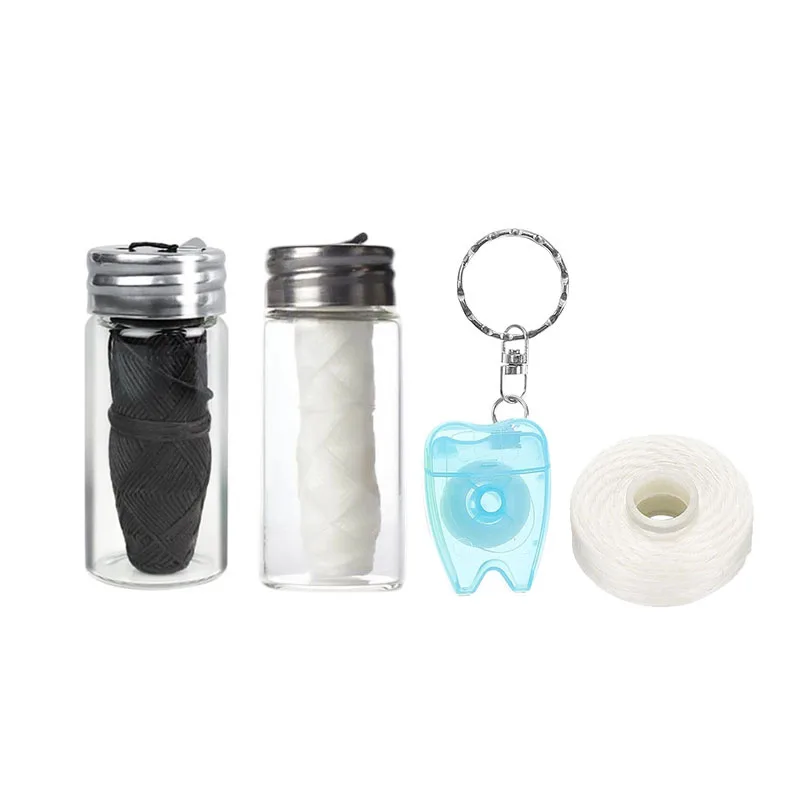
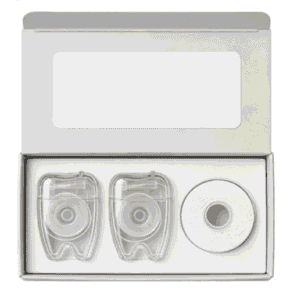
Dental floss is a thin thread made of nylon or Teflon, designed to slide between teeth to remove plaque and food particles. ADA recommends flossing at least once daily. Research shows that flossing reduces gingivitis by up to 40% when combined with regular brushing.
Types of Dental Floss
- Waxed floss: Easier to slide between tight teeth
- Unwaxed floss: Thinner, more effective in narrow spaces
- Dental tape: Flat and wide, ideal for larger gaps
What is an Interdental Brush?
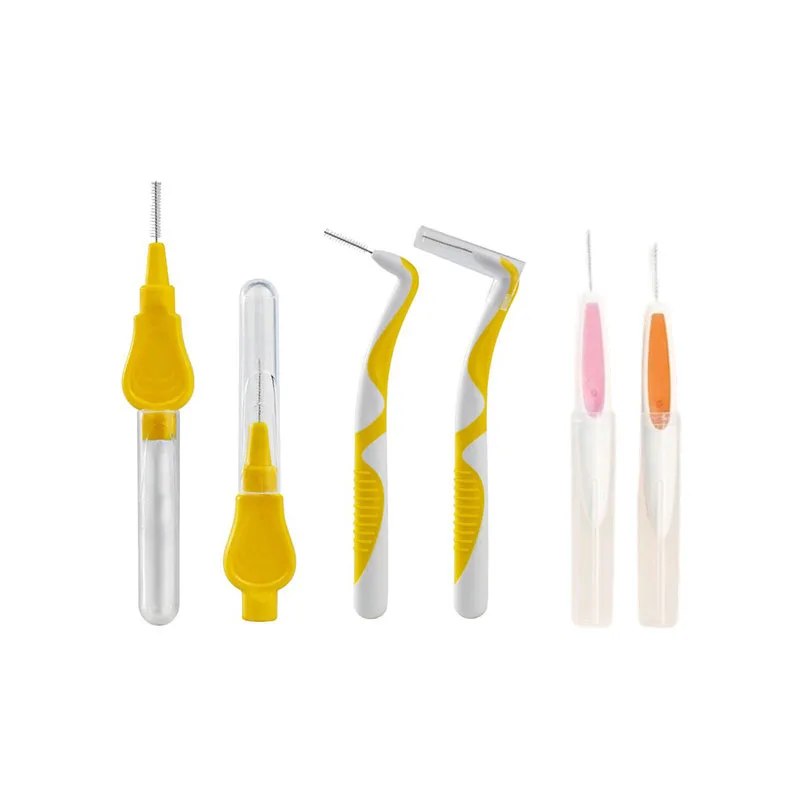
An interdental brush has a small cylindrical brush head on a handle, designed to clean between teeth and around braces, bridges, or implants.
Types of Interdental Brushes
- Regular: Standard sizes for general use
- Mini: For children or very narrow gaps
- Specialty: Angled or ergonomic for hard-to-reach areas
The Science Behind Their Effectiveness
A 2022 study published in the Journal of Clinical Periodontology found that interdental brushes reduce interproximal plaque by 38–50%, compared to 30–35% for flossing in adults with wider gaps. For people with implants or orthodontic appliances, brushes are often more effective than floss.
Floss vs Brush: Pros and Cons
Pros of Dental Floss
- Effective in tight spaces: Floss reaches narrow gaps that brushes cannot.
- Plaque removal: Regular flossing prevents gingivitis and cavities.
- Portable: Easy to carry for use outside the home.
Cons of Dental Floss
- Technique-sensitive: Incorrect flossing can injure gums.
- Time-consuming: Some find it tedious, leading to inconsistent use.
- Limited for dental work: Less effective around braces or implants.
Pros of Interdental Brush
- User-friendly: Easy push-and-pull motion, minimal training required.
- Excellent for dental appliances: Works around braces, bridges, and implants.
- Gum stimulation: Bristles massage gums and improve circulation.
Cons of Interdental Brush
- Not ideal for very tight spaces: Smaller gaps may require floss.
- Ongoing cost: Brushes must be replaced regularly to maintain hygiene.
- Technique adjustments: Needs gentle motion to avoid gum damage.
How Each Tool Protects Your Gums
Dental Floss and Gum Health
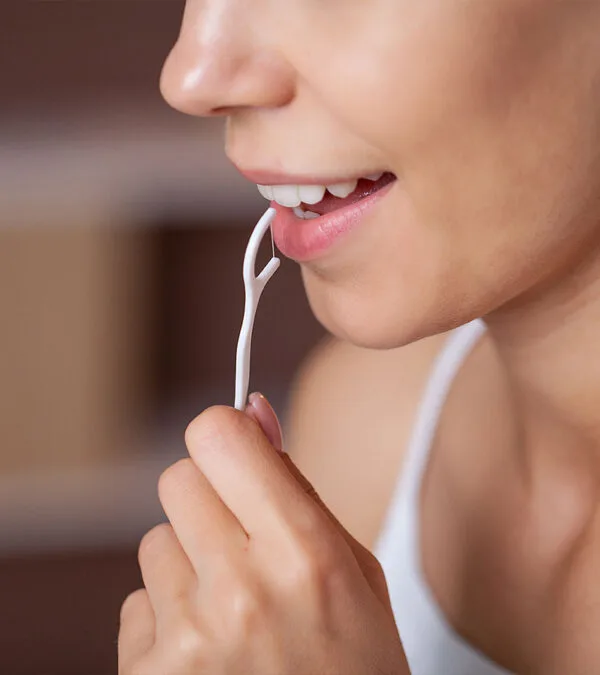
Flossing removes bacteria and debris lodged between teeth. Dentists recommend a gentle C-shaped motion around each tooth to avoid injuring the gum line. Studies suggest that consistent flossing reduces bleeding gums and early gum inflammation by 20–30% over a few weeks.
Interdental Brushes and Gum Care
Interdental brushes stimulate the gums while removing plaque. According to Dr. Maria Smith, DDS, “Interdental brushes are particularly effective for patients with implants or wider spaces between teeth, as they clean areas floss can miss.”
Comparing Floss vs Brush in Gum Protection
| Feature | Dental Floss | Interdental Brush |
|---|---|---|
| Ideal for tight spaces | Yes | No |
| Cleans around braces/implants | No | Yes |
| Gum stimulation | Moderate | High |
| Ease of use | Moderate | Easy |
| Cost-effectiveness | High (long-lasting) | Medium (needs replacement) |
| Evidence-based plaque removal | 30–35% | 38–50% |
Choosing the Right Tool for Your Teeth
Factors to Consider
- Gap size: Floss works better for tight gaps; brushes excel in wider spaces.
- Dental appliances: Braces, bridges, or implants favor interdental brushes.
- Gum sensitivity: Brushes may provide gentle stimulation for sensitive gums.
- Consistency: Choose the tool you are more likely to use daily.
Combining Both Tools
Many dental professionals recommend combining both floss and interdental brushes for comprehensive care. For example:
- Morning: Interdental brush for quick gum stimulation
- Night: Floss for tight-space plaque removal
Expert Opinions and Data
What Dentists Say
- ADA Recommendation: Both floss and interdental brushes are acceptable, depending on personal dental needs.
- Dr. John Lee, Periodontist: “For patients with complex dental work, interdental brushes are often more effective. For narrow gaps, floss remains essential.”
Global Statistics on Gum Disease
- World Health Organization (WHO): Nearly 10% of the global population suffers from severe periodontal disease.
- Regular interdental cleaning reduces plaque accumulation by 25–50%, according to multiple meta-analyses.
Oral Hygiene Tips from Experts
- Clean all teeth surfaces, not just the front.
- Use fluoride toothpaste after flossing or brushing.
- Schedule dental checkups at least twice a year.
Concept Comparisons: Floss vs Brush
Cleaning Mechanics
- Floss: Slides between teeth, scraping plaque from tooth sides and under the gumline.
- Brush: Bristles sweep debris and stimulate gums, especially around dental work.
Ease of Use
- Floss: Requires careful wrapping and motion. Improper technique can cause injury.
- Brush: Push-and-pull motion is simpler, making it beginner-friendly.
Cost and Replacement
- Floss: Generally inexpensive and lasts several weeks.
- Brush: Brushes must be replaced periodically; handles may be reusable.
Environmental Impact
- Floss: Single-use nylon floss contributes to plastic waste.
- Brush: Reusable handles and replaceable heads reduce environmental footprint.
Daily Routine Recommendations
Morning Routine
- Brush teeth for 2 minutes
- Quick use of interdental brush to remove overnight plaque
- Rinse with fluoride mouthwash
Night Routine
- Brush teeth for 2 minutes
- Floss to remove trapped food and plaque
- Rinse and clean interdental brush if used
Extra Tips
- For braces or implants, use brushes first to clean gaps, then floss for final removal.
- Replace brushes every 1–2 weeks or when bristles wear.
Conclusion
Choosing between dental floss vs interdental brush depends on your teeth structure, gum health, and daily habits. For narrow gaps, floss excels; for wider gaps or dental appliances, interdental brushes work best. Many dental experts recommend combining both to ensure comprehensive cleaning. Consistency, proper technique, and regular dental checkups are the keys to protecting your gums and maintaining a healthy smile.
FAQs
1. Can I use a brush if I don’t like flossing?
Yes! Interdental brushes are easier for many people and still effectively remove plaque.
2. Which is better for preventing gum bleeding?
Both help, but proper technique matters more. Floss reaches tight areas; brushes stimulate gums gently.
3. How often should I use each tool?
Daily use is ideal. Floss or brush once per day, preferably before bedtime.
4. Can kids use interdental brushes?
Yes, brushes come in child-friendly sizes and are easier than flossing.
5. Is it okay to combine both?
Absolutely. Using both targets different spaces and ensures thorough plaque removal.
6. How do I choose the right size brush?
Start with a size that fits comfortably between teeth without forcing. Adjust size as needed for effective cleaning.
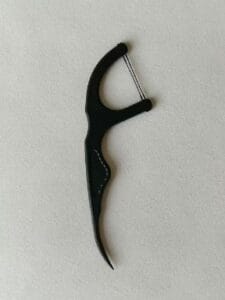
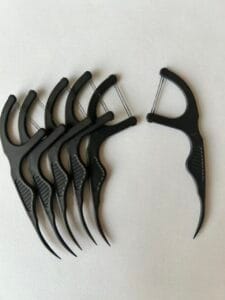
7. Are floss picks as effective as traditional floss?
They are convenient but may not remove as much plaque in tight spaces. Traditional floss is more thorough for certain gaps.
Stay Connected! 🌟
Thanks for reading! If you enjoyed this article, don’t forget you can follow me on social media for more insights, updates, and behind-the-scenes content:
🔵 Facebook – Join the conversation and get the latest updates
📺 YouTube – Watch tutorials, demos, and in-depth guides
📸 Instagram – See tips, visuals, and daily inspiration
Let’s continue learning and growing together—stay connected and never miss a beat!