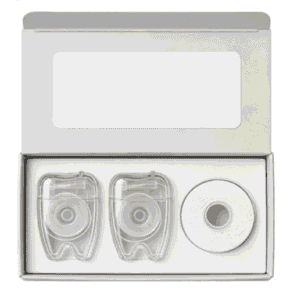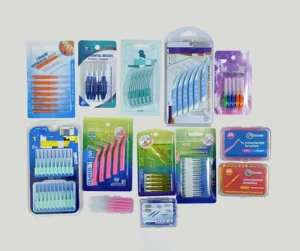
Introduction
Oral hygiene is no longer just about brushing. Modern consumers and dental professionals agree that interdental cleaning—removing plaque and food particles between teeth—is essential for preventing gum disease, cavities, and chronic inflammation. According to the World Health Organization, periodontal (gum) disease affects around 20–50% of the global population, making it one of the most common health challenges worldwide.¹
Choosing the right dental floss is more than a routine choice—it reflects differences in tooth spacing, user comfort, material sustainability, and market demand. For buyers, especially distributors, retailers, and dental clinics, understanding the different types of dental floss ensures product offerings that are relevant, comfortable, and aligned with user needs.
In this comprehensive guide, you will discover:
- The science behind interdental hygiene
- Detailed explanations of each type of dental floss
- Side-by-side comparisons to aid smarter selection
- Best practices for use and selection based on target users
- Real questions people search for online about dental floss
Let’s begin with the basics.
Table of Contents
What Is Dental Floss and Why It Is Essential

Dental floss is a thin string of material used to clean between teeth and along the gum line—areas that a toothbrush alone often cannot reach. By removing plaque and debris from these interdental spaces, flossing helps:
- Prevent cavities
- Reduce gingival inflammation
- Promote fresher breath
- Improve overall oral health
Dentists often emphasize that 70% of the tooth surface is interdental, meaning that without flossing or other interdental tools, large areas of the mouth remain uncleaned.² This is why dental professionals universally recommend daily interdental cleaning as part of a complete oral care routine.
Expert Insights: Dental Professionals on Flossing
“Flossing is one of the most underrated components of oral hygiene,” says Dr. Emily Clarke, DDS, a practicing periodontist with over 15 years of experience. “Many patients brush diligently but skip interdental cleaning, which allows plaque to build up and leads to gum recession and early bone loss.”
Clinical research also supports this view: studies show that when flossing is combined with daily brushing, it can reduce gingivitis by up to 40% compared to brushing alone.³
Why Buyers Should Understand the Different Types of Dental Floss
Market Dynamics
The dental floss market is evolving. Growing awareness of eco-friendly products, biodegradable materials, and user comfort is reshaping consumer expectations. For buyers, stocking a diverse range of floss types increases appeal across demographics and usage needs.
Consumer Behavior Insights
Recent consumer surveys indicate:
- 68% prefer waxed floss for ease of use
- 45% prioritize eco-friendly materials
- 30% seek specialized floss for braces or implants
These trends highlight the importance of offering multiple floss types to meet diversified demand.
Overview: 6 Smart Different Types of Dental Floss
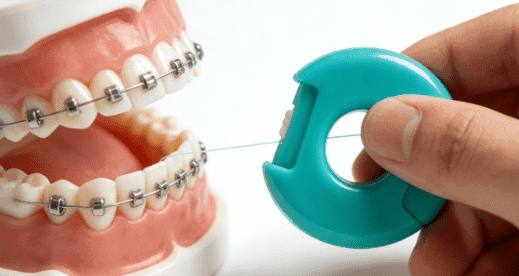
Below are the most relevant floss categories buyers should consider:
1. Waxed Dental Floss
Features and Benefits
Waxed floss is coated with a thin layer of wax (often natural or synthetic), which enhances its ability to glide between tight teeth without shredding.
- Easier to insert into tight spaces
- Reduced risk of breakage
- Preferred by many beginners
Performance in Practice
Dentists often recommend waxed floss to patients who struggle with unwaxed variants, especially when tooth contacts are firm.
2. Unwaxed Dental Floss
Texture and Cleaning Power
Unwaxed floss lacks the coating, giving it a slightly rougher texture that some users feel increases mechanical plaque removal.
- More tactile feedback
- Slightly better for heavily coated plaque
- Needs more skill to use without fraying
Best For
Users comfortable with flossing who want direct contact with tooth surfaces.
3. Biodegradable Dental Floss
Sustainability at the Forefront
Biodegradable floss uses plant-based filaments or silk, reducing plastic waste. With increasing environmental awareness, this type is gaining popularity.
- Breaks down naturally
- Preferred by eco-aware consumers
- Often paired with recyclable packaging
Market Appeal
Eco-friendly floss performs well in organic, natural, and green retail segments.
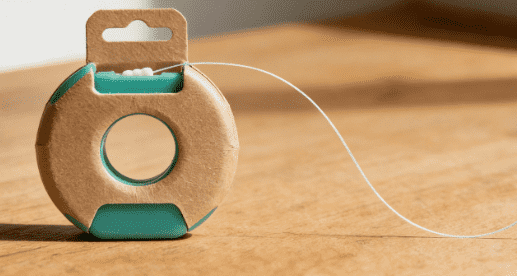
4. Eco-Friendly Dental Floss Roll
Beyond Biodegradability
Eco-friendly floss not only biodegrades but also often uses minimal packaging and low-impact production methods.
- FSC-certified packaging
- Natural flavoring (e.g., mint oil)
- Plant-derived wax coatings
This type resonates with consumers who seek both performance and environmental responsibility.
5. OEM/ODM Custom Logo Dental Floss
Branding Opportunities
For distributors and dental product brands, OEM/ODM dental floss allows customizable branding on packaging and filaments. This increases perceived value and supports private label programs.
- Tailor packaging design
- Add custom flavors or materials
- Create unique product lines for clinics or stores
This type adds a strategic advantage in B2B sales and retail differentiation.
6. Dental Floss Alternatives for Braces and Implants
Specialized Interdental Access
Users with braces or implants face unique challenges. While traditional floss helps, adding specialized tools like floss threaders or interdental brushes improves accessibility.
- Easier cleaning around wires and brackets
- Prevents plaque accumulation at difficult angles
- Enhances user confidence in oral care
These complementary products expand the value of floss portfolios.
Material Matters: What Your Floss Is Made Of
Understanding floss materials helps buyers make informed selections:
Nylon vs PTFE (Polytetrafluoroethylene)
- Nylon floss may fray but is cost-effective
- PTFE (similar to Teflon) glides more smoothly and resists shredding
Natural vs Synthetic Wax Coatings
- Natural wax (e.g., beeswax) appeals to organic product buyers
- Synthetic wax often increases durability and glide
Comparison Table: Different Types of Dental Floss At a Glance
| Floss Type | Ease of Use | Sustainability | Comfort | Target Segment |
|---|---|---|---|---|
| Waxed Dental Floss | High | Medium | High | General consumers |
| Unwaxed Dental Floss | Medium | Medium | Medium | Traditional users |
| Biodegradable Dental Floss | High | High | High | Eco-aware buyers |
| Eco-Friendly Floss Roll | High | Very High | High | Green retail |
| OEM/ODM Custom Floss | Varies | Varies | Varies | B2B brands |
| Braces/Implant Tools | Medium | Medium | High | Orthodontic users |
Side-by-Side Comparison: Floss vs Other Interdental Tools
Dental Floss vs Interdental Brushes
Floss excels in tight contacts, while brushes cover wider gaps and curved surfaces.
Dental Floss vs Water Flossers
Water flossers are excellent for comfort and irrigation, but traditional floss provides specific plaque removal along tooth contact points.
Understanding these distinctions helps buyers curate balanced oral care kits.
Ideal Usage Scenarios Based on Demographics
Daily Routine Users
Waxed and biodegradable floss work well for daily general use.
Orthodontic Patients
Floss threaders and bracket-friendly alternatives enhance accessibility.
Eco-Conscious Segments
Eco-friendly and biodegradable floss appeal to environmentally oriented consumers.
How to Use Dental Floss the Right Way
Step-by-Step Guide
- Cut 18 inches of floss.
- Wrap ends around middle fingers.
- Gently slide between teeth without snapping.
- Curve floss around each tooth surface.
- Rinse mouth after flossing.
Doctors emphasize gentle but thorough motion—forcing floss can harm gum tissue.
Common Mistakes in Flossing and How to Avoid Them
Snapping Floss Too Hard
This can injure gums. Use controlled, smooth strokes instead.
Using Too Short a Length
A longer segment allows clean sections for each interdental space.
Skipping Back Teeth
Plaque often accumulates more in posterior regions, making them critical to include.
Dental Floss Trends and Statistics
- Over 80% of dental patients report improved gum health after daily flossing.⁴
- Eco-friendly floss demand has grown >30% year-over-year in natural product categories.
- Private label floss products show higher customer loyalty due to perceived exclusivity.
These trends underline the importance of offering diverse floss types.
Final Thoughts
For buyers, building a well-balanced dental floss product line can:
√ Increase customer satisfaction
√ Address diverse user needs
√ Support sustainability positioning
√ Strengthen brand value
Selecting the right mix of floss types allows you to serve general markets while tapping into growing niches like eco-friendly and orthodontic oral care.
FAQ
What are the different types of dental floss used for?
They serve to remove plaque and debris from between teeth and improve gum health. Different materials and designs address ease of use, sustainability, and target segments.
Which dental floss is easiest for beginners?
Waxed dental floss is often easiest due to its smooth glide and lower risk of breakage.
Is biodegradable dental floss effective?
Yes—modern biodegradable floss achieves cleaning performance comparable to synthetic options while reducing environmental impact.
Can floss be customized for branding?
Yes. OEM/ODM dental floss supports packaging and product customization for distributors and dental brands.
How often should dental floss be replaced?
Each segment should be single-use. For best results, floss daily.
Stay Connected! 🌟
Thanks for reading! If you enjoyed this article, don’t forget you can follow me on social media for more insights, updates, and behind-the-scenes content:
🔵 Facebook – Join the conversation and get the latest updates
📺 YouTube – Watch tutorials, demos, and in-depth guides
📸 Instagram – See tips, visuals, and daily inspiration
Let’s continue learning and growing together—stay connected and never miss a beat!