Key Takeaways
- Why tongue cleaning matters even before teeth appear
- How to choose the safest tongue brush for babies
- Step-by-step method to use a tongue brush for babies
- How to handle gag reflex and baby resistance
- Comparison: tongue brush vs finger brush vs tongue scraper
- Professional advice and pediatric dentist recommendations
- Hygiene, storage, and replacement guide
- What to do if your baby has tongue coating, thrush, or white patches
- FAQ with natural user questions and expert answers
Table of Contents
Introduction
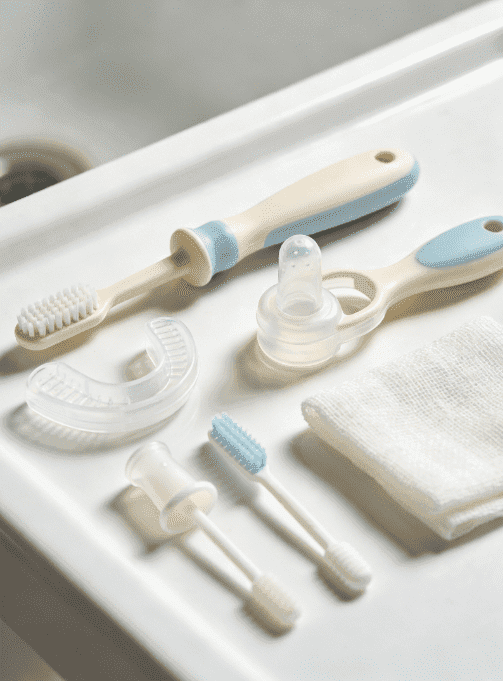
“Most parents focus on teeth, but the tongue is the hidden root of early oral health problems.”
If you have ever noticed white coating, sticky saliva, or mild bad breath in your baby, you might have assumed it is normal. In reality, bacterial accumulation on the tongue can start very early, even before the first tooth erupts. The tongue is a major reservoir for microbes, and infants have sensitive mucosa that can easily develop irritation.
In the era of modern pediatric care, early oral hygiene is no longer optional. Studies show that early oral bacterial control can reduce the risk of early childhood caries and improve feeding comfort. A tongue brush for babies is a simple tool that can help parents maintain better oral hygiene without discomfort or risk.
This guide provides a professional, step-by-step method for using a tongue brush for babies, along with practical tips, scientific data, and expert insights.
Why Tongue Cleaning Matters for Babies
The Tongue as a Microbial Habitat
The tongue surface has numerous tiny grooves called papillae. These grooves can trap milk residue, bacteria, and dead cells. Even though infants do not have teeth yet, the bacterial load can still be significant. Research in pediatric dentistry indicates that early microbial buildup can influence oral ecology and later dental health.
Tongue Coating and Infant Health
Tongue coating can be linked to:
- Mild bad breath
- Feeding discomfort
- Oral thrush risk
- Sleep disruption due to mouth dryness
A gentle tongue brush can reduce this coating and keep the mouth environment healthier.
Early Oral Hygiene as Preventive Care
According to the American Academy of Pediatric Dentistry (AAPD), oral hygiene should begin as soon as the first tooth appears, and cleaning the tongue can be included as part of routine oral care.
Choosing the Right Tongue Brush for Babies
What Makes a Tongue Brush Baby-Friendly?
A baby tongue brush should have:
- Soft, flexible bristles (usually silicone)
- Small head size
- Non-toxic, BPA-free material
- Easy-to-hold handle
Tongue Brush vs Finger Brush: Which is Better?
Tongue brush:
- Pros: more consistent cleaning, better coverage
- Cons: needs careful handling
Finger brush:
- Pros: easier for newborns, quick clean
- Cons: less effective for deep cleaning
Tongue Brush vs Tongue Scraper
Tongue scrapers are usually too harsh for babies. They can cause injury or trigger gag reflex easily.
Age-Based Recommendations
| Age | Best Tool | Why | Frequency |
|---|---|---|---|
| 0–6 months | Soft finger brush | Small mouth, high sensitivity | 2–3 times/week |
| 6–12 months | Small tongue brush | More saliva, early teeth | Daily or every other day |
| 1–2 years | Tongue brush with handle | More active, better cooperation | Daily |
Step-by-Step Guide: How to Use a Tongue Brush for Babies
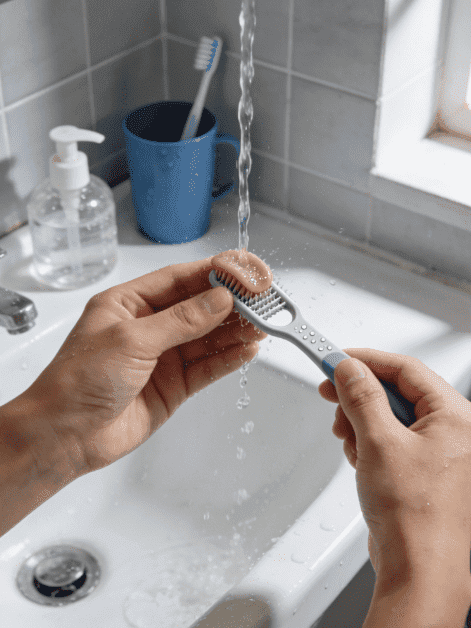
Using a tongue brush for babies may sound intimidating at first, but with the right method it can become a quick and gentle part of your baby’s daily oral care routine. The key is to prioritize comfort, safety, and consistency. Below is a more detailed guide to help you perform tongue cleaning correctly and confidently.
Step 1: Build a Calm Environment
Before you start, set up a calm, comfortable environment. Babies are highly sensitive to mood and atmosphere, so a relaxed setting helps reduce resistance and minimizes the gag reflex.
Tips to create a calm environment:
- Choose a quiet room with soft lighting
- Use a soothing voice and gentle facial expressions
- Make sure the baby is not hungry or overly tired
- Keep the session short (20–30 seconds is enough)
A calm environment not only makes the process easier, but also helps the baby associate tongue cleaning with a positive routine. When babies feel safe, they are more likely to accept the tongue brush for babies without fuss.
Step 2: Wash Hands and Prepare the Brush
Always wash your hands before touching the baby’s mouth. Hygiene is crucial, especially for infants whose immune systems are still developing.
How to prepare the tongue brush:
- Rinse the tongue brush for babies with warm water
- Use a small amount of baby-safe toothpaste only if your pediatric dentist approves
- Avoid strong flavored toothpaste or adult toothpaste
If your baby is under 6 months, it is often recommended to use just water. The goal is to clean gently without introducing any irritating substances. Using a soft, baby-specific tongue brush helps prevent discomfort and reduces the chance of gagging.
Step 3: Proper Positioning
Proper positioning is important for safety and control. A stable position also helps you access the tongue more easily.
Recommended positions:
- Lap position: Lay the baby across your lap, head supported
- Sitting position: Sit the baby upright in a high chair, with you facing them
- Cradle position: If the baby is very young, you can hold them close while supporting the head
A good tip is to gently tilt the baby’s head back just slightly so the tongue is more visible. This makes it easier to use the tongue brush for babies without touching the throat.
Step 4: Use Gentle Brushing
Now comes the most important part: gentle brushing. The goal is to clean the tongue without causing discomfort or triggering gag reflex.
How to brush correctly:
- Place the brush at the back of the tongue (but not too deep)
- Use soft forward strokes
- Brush the surface 3–5 times
- Stop immediately if the baby shows discomfort
Important notes:
- Do not press hard
- Do not brush too fast
- Keep your movements smooth and slow
If the baby is sensitive, you can start with just 1–2 strokes and gradually increase. The best way to make the tongue brush for babies routine effective is consistency, not force.
Step 5: Clean and Store
After brushing, clean the tongue brush for babies thoroughly to prevent bacteria buildup.
Cleaning steps:
- Rinse under warm running water
- Gently shake off excess water
- Store it in a clean, dry, ventilated place
Replacement guide:
- Replace the tongue brush every 2–3 months
- Replace sooner if bristles deform or if it shows wear
Proper storage and replacement help keep the tool hygienic and safe for repeated use.
What If the Baby Gags or Refuses?
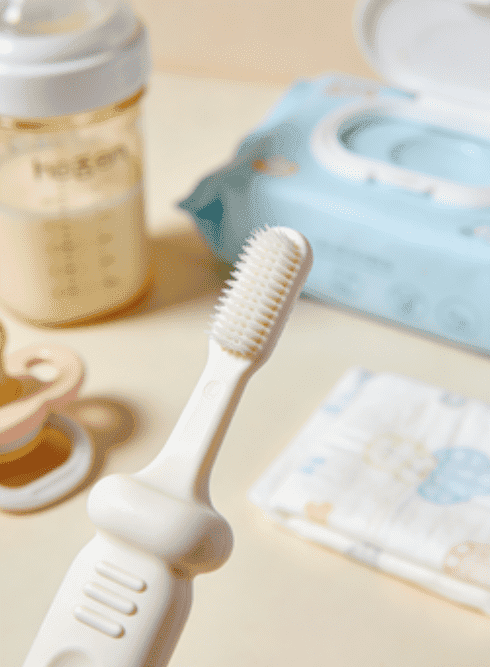
Even with a gentle approach, some babies may gag or refuse the tongue brush. This is common and usually not a sign of a problem. Here are ways to handle it.
Understand the Gag Reflex
A baby’s gag reflex is stronger than an adult’s. It is a natural protective mechanism that prevents choking. When you use a tongue brush for babies, the mouth may feel unfamiliar, which can trigger this reflex.
Why gagging happens:
- Brush reaches too far back
- Baby feels uncomfortable or startled
- Tongue cleaning is too fast
Understanding the gag reflex helps you adjust the method without getting anxious. A gentle and slow approach reduces the chance of gagging significantly.
Gag Reflex Solutions
If gagging occurs, try these adjustments:
1. Use a smaller brush head
A smaller head reduces the chance of triggering the throat.
2. Brush closer to the middle of the tongue
Avoid reaching the very back. You can clean the front and middle first, then gradually move back over time.
3. Slow and gentle movement
Fast brushing increases gagging. Slow strokes make the process more comfortable.
4. Stop if gagging occurs
If the baby gags, pause and try again later. Forcing it can create negative associations.
These methods help you use the tongue brush for babies effectively while keeping the baby calm and safe.
If the Baby Refuses
Sometimes the baby simply refuses. This is normal and can be managed with patience and strategy.
Try these approaches:
- Distraction: Use a toy, song, or a mirror to make the experience playful
- After a bath: Babies are often more relaxed after bathing
- Playful routine: Turn tongue cleaning into a “fun game”
The goal is to build a positive habit. When babies feel relaxed and engaged, they are more likely to accept the tongue brush for babies as part of their daily routine.
Additional Tips for Success
To make tongue cleaning easier, consider these extra tips:
- Consistency matters more than intensity: 20–30 seconds daily is enough
- Do it at the same time each day: For example, after a bath or before bedtime
- Use gentle praise: Praise the baby to create a positive association
- Avoid cleaning when the baby is upset: Wait for a calmer moment
These simple habits help you maintain a stable oral care routine using a tongue brush for babies without causing stress.
Advanced Techniques for Different Conditions
Tongue Coating
If the baby has visible coating, cleaning should be gentle but consistent. A mild tongue brush can remove residue without irritation.
Oral Thrush
Oral thrush appears as white patches. Tongue cleaning should be gentle and combined with pediatric guidance. Avoid forceful brushing, and consult a pediatrician if symptoms persist.
Dry Mouth and Mouth Odor
Dry mouth can occur due to mouth breathing or mild dehydration. Gentle tongue brushing can reduce odor-causing bacteria.
Professional Insights and Expert Advice
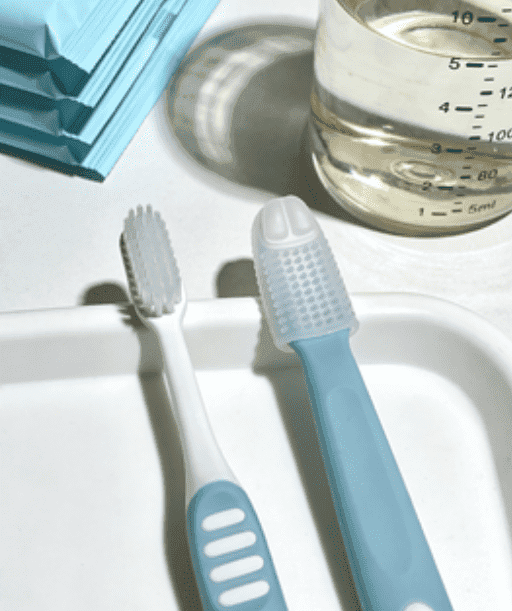
Pediatric Dentist View
Dr. Emily Parker, Pediatric Dentist:
“Tongue cleaning is often ignored in infants, but it plays a significant role in early oral ecology. Parents should start with gentle cleaning and gradually establish a daily routine.”
Pediatric Hygiene Research
A study in the Journal of Pediatric Dentistry shows that early oral hygiene reduces the risk of dental caries and improves oral health outcomes later in childhood.
Comparison: Tongue Brush vs Other Tools
Tongue Brush vs Baby Toothbrush
Tongue brushes focus on the tongue surface and do not replace tooth cleaning. Tooth brushing should start when teeth erupt.
Tongue Brush vs Gauze Wrap
Gauze is a traditional method but less effective and harder to control.
Table: Tool Comparison
| Tool | Best Use | Pros | Cons |
|---|---|---|---|
| Tongue brush | Daily cleaning | Effective, gentle | Needs correct technique |
| Finger brush | Newborns | Easy, quick | Limited coverage |
| Gauze wrap | Quick cleaning | Cheap, simple | Not precise |
| Tongue scraper | Adults | Fast | Too harsh for babies |
Safety, Hygiene, and Replacement Guide
Hygiene
- Rinse after each use
- Dry in open air
- Do not share
Replacement
- Replace every 2–3 months
- Replace sooner if bristles wear
Safety
- Avoid pressing hard
- Stop if the baby cries or shows irritation
Practical Routine: Sample Schedule
Morning Routine
- After feeding, gently clean tongue and gums
- Helps reduce bacteria buildup
Night Routine
- After bath or before sleep
- Reduces overnight bacteria growth
Weekend Deep Clean
- Use a slightly more thorough cleaning
- Check for white coating or irritation
Common Mistakes and How to Avoid Them
Mistake: Brushing Too Hard
Result: irritation, soreness, refusal
Solution: always use light strokes
Mistake: Overcleaning
Result: mucosa damage
Solution: once per day is sufficient
Mistake: Using Adult Products
Result: chemical irritation
Solution: use baby-safe products only
Conclusion
A tongue brush for babies is a simple, low-cost tool that supports early oral health. When used correctly, it reduces bacterial buildup, prevents mild bad breath, and promotes a cleaner oral environment. For parents, the key is gentle technique, proper tool selection, and consistent routine. By starting early and following a safe method, you can build a lifelong habit that supports your child’s dental health.
FAQ
What age should I start using a tongue brush for babies?
You can start from newborn stage using a finger brush or a very small tongue brush.
Does tongue cleaning prevent oral thrush?
It can reduce bacterial buildup but does not replace medical treatment if thrush occurs.
What if my baby cries during tongue brushing?
Stop and try again later. Use smaller brush and gentler strokes.
How long does each tongue cleaning take?
Typically 20–30 seconds is enough.
Can tongue cleaning help teething discomfort?
It can help clean residue but not directly relieve teething pain.
Stay Connected! 🌟
Thanks for reading! If you enjoyed this article, don’t forget you can follow me on social media for more insights, updates, and behind-the-scenes content:
Facebook – Join the conversation and get the latest updates
YouTube – Watch tutorials, demos, and in-depth guides
Instagram – See tips, visuals, and daily inspiration
Let’s continue learning and growing together—stay connected and never miss a beat!