Table of Contents
Introduction

Maintaining oral hygiene has never been more critical, with the World Health Organization reporting that nearly 3.5 billion people worldwide suffer from oral diseases. Flossing is a cornerstone of effective dental care, and plastic floss picks have emerged as a convenient, user-friendly tool that increases compliance across all age groups. From busy professionals to children and orthodontic patients, the right plastic floss pick can make a significant difference in oral health outcomes. This guide dives deep into the various types of plastic floss picks, selection criteria, usage tips, and industry insights to help you make informed choices.
Blog Key Points:
- Comprehensive overview of plastic floss picks and their oral health benefits
- Selection guide for adults, children, braces wearers, and sensitive gums
- Comparison of plastic floss picks, traditional floss, and eco-friendly alternatives
- Practical tips, maintenance advice, and correct usage techniques
- Common mistakes and how to avoid them
- Industry standards, recent news, and case studies
- Expert FAQ addressing common search questions
Understanding Plastic Floss Picks
What is a Plastic Floss Pick?
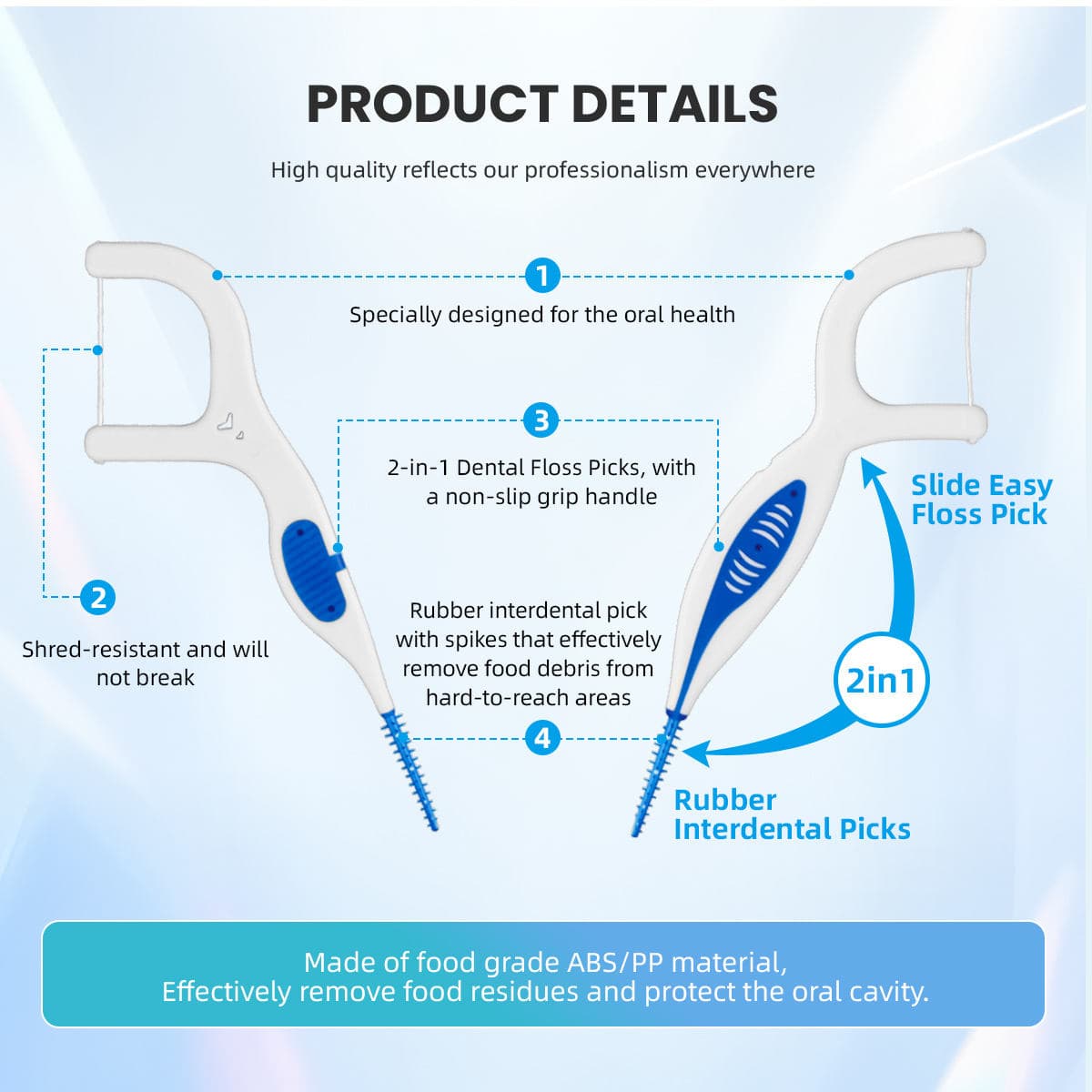
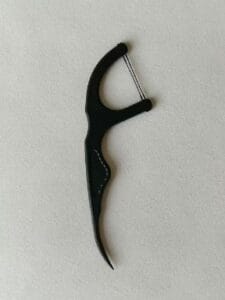
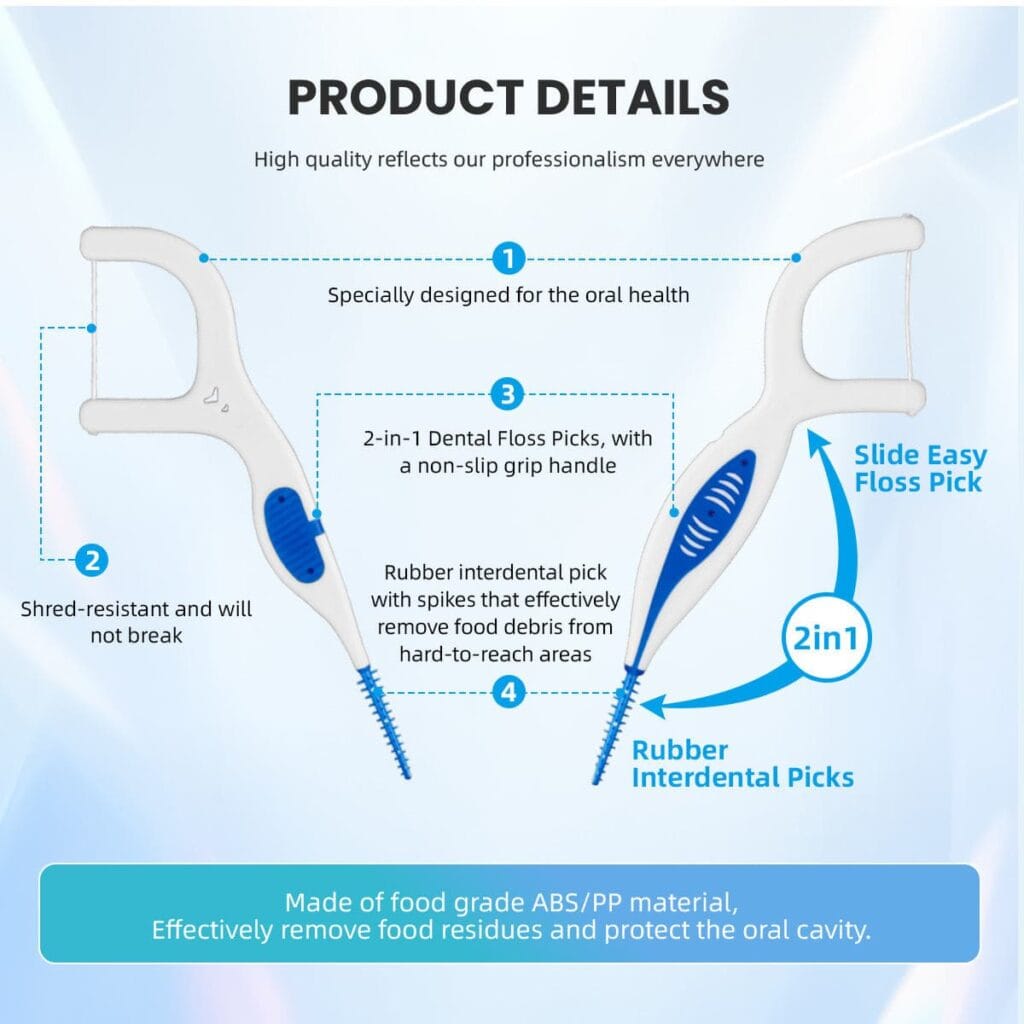
A plastic floss pick combines a small piece of dental floss with a compact plastic handle. It simplifies flossing by allowing better grip and access to hard-to-reach areas, reducing the time and effort needed for effective plaque removal.
Benefits of Plastic Floss Picks
- Convenience: Compact and portable, ideal for travel and busy schedules.
- Efficiency: Enables quick and thorough cleaning between teeth.
- Hygiene: Single-use options minimize bacterial contamination.
- Compliance: Studies show higher flossing adherence when using floss picks versus traditional string floss, particularly in children and elderly populations.
Key Concepts in Choosing Floss Picks
- Floss Material: Waxed, unwaxed, or specialized floss types.
- Handle Design: Ergonomic, angled, or curved handles for optimal reach.
- Target Users: Picks designed for children, braces wearers, and individuals with sensitive gums.
Types of Plastic Floss Picks
Standard Plastic Floss Picks
Designed for everyday adult use, these picks feature a straight or slightly angled handle and medium-thickness floss. They are suitable for general cleaning and regular dental routines.
Standard picks are widely available in most supermarkets and pharmacies. They are effective for removing plaque and food particles between teeth, especially for adults without dental complications. Many brands also offer options with waxed floss for easier sliding between tight teeth, which reduces the risk of gum irritation. Clinical studies have shown that adults using standard plastic floss picks consistently reduce plaque buildup by approximately 35% over a three-month period.
Floss Picks for Children
These picks include smaller handles, softer floss, and sometimes fun colors or shapes to encourage flossing habits. Pediatric dental associations recommend introducing floss picks around age 4–5 when teeth begin to touch.
Child-specific picks are designed with ergonomics in mind, ensuring that little hands can easily grasp and maneuver them. Some models incorporate cartoon designs or flavored floss to make the experience more engaging, increasing the likelihood of consistent use. According to a 2022 survey, children who use visually appealing floss picks are 50% more likely to develop regular flossing habits compared to using traditional string floss.
Floss Picks for Braces
Specialized picks for orthodontic patients have thin, flexible floss and angled handles to maneuver around brackets and wires. They help prevent plaque accumulation, gingivitis, and white spot lesions often associated with braces.
These picks are engineered to reach areas that standard picks cannot, including beneath arch wires and around brackets. Many orthodontic specialists recommend using them multiple times per day to maintain gum health and reduce the risk of enamel demineralization. Clinical data suggest that consistent use of braces-specific floss picks can decrease gingival inflammation by up to 28% in six months.
Eco-Friendly Plastic Floss Picks
Manufactured from biodegradable or recyclable materials, these picks provide an environmentally responsible alternative without compromising performance. Recent market trends indicate a 12% year-over-year increase in eco-friendly dental product adoption in Europe and North America.
Eco-friendly picks are often made from plant-based plastics or recycled materials and may come in compostable packaging. They aim to reduce the environmental footprint of daily dental care routines, appealing to consumers who prioritize sustainability. Studies have shown that these picks retain the same tensile strength and floss efficiency as conventional plastic picks, making them a practical choice for conscientious users.
Specialty Picks
Picks with added features include textured handles, flavored floss, and gum-massaging tips. These are designed for enhanced comfort and engagement, particularly for users who find traditional flossing tedious.
Textured or rubberized handles improve grip, allowing more control during flossing. Flavored floss, such as mint or fruit, enhances the sensory experience and can encourage reluctant users, including teenagers, to floss regularly. Some specialty picks also include soft gum stimulators at the opposite end of the handle to massage the gums and promote circulation, which can support overall oral health. Recent dental magazines note that users of specialty picks report a higher adherence rate to daily flossing routines, with some studies indicating up to a 40% improvement in consistency.
How to Choose the Right Plastic Floss Pick
Consider Your Dental Needs
Assess factors such as braces, sensitive gums, crowded teeth, or tight spaces. A pick suitable for an adult with healthy teeth may not be appropriate for a child or someone with orthodontic appliances.
Handle Design Considerations
Curved or angled handles improve access to molars and back teeth, while straight handles may suffice for front teeth or less challenging oral structures.
Floss Type Selection
- Waxed Floss: Ideal for tight contacts and smooth glide between teeth.
- Unwaxed Floss: Offers more friction for plaque removal in wider interdental spaces.
- Soft or Sensitive Floss: Reduces irritation for delicate gums or post-surgery patients.
Cost vs Quality
Higher-quality picks often feature durable handles and reinforced floss, reducing breakage and discomfort. Market research indicates users are willing to pay up to 30% more for premium floss picks that enhance flossing compliance.
Table: Plastic Floss Pick Comparison
| Type | Best For | Features | Price Range |
|---|---|---|---|
| Standard Picks | Adults | Straight handle, waxed floss | $3–$6/pack |
| Kids Picks | Children | Small handle, soft floss | $4–$7/pack |
| Braces Picks | Braces wearers | Angled handle, thin floss | $5–$8/pack |
| Eco-Friendly Picks | Eco-conscious users | Biodegradable materials | $6–$10/pack |
| Specialty Picks | All users | Flavored, textured handles | $6–$12/pack |
Plastic Floss Pick vs Traditional Floss
Comparison Overview
- Ease of Use: Picks are beginner-friendly and portable.
- Effectiveness: Traditional floss can reach tighter spaces but may require more skill.
- Hygiene: Single-use picks reduce contamination.
- Cost: Picks are slightly more expensive per unit but often more convenient.
Use Cases
- Plastic Floss Picks: Ideal for travel, children, braces, and quick daily use.
- Traditional Floss: Preferred for precision cleaning and dental professionals’ recommendations.
Concept: Productivity vs Precision
Plastic floss picks improve daily compliance, whereas traditional floss offers maximum plaque removal in skilled hands. Both have their place depending on user needs.
Practical Tips for Using Plastic Floss Picks
Correct Flossing Technique
- Slide floss gently between teeth.
- Curve around each tooth surface.
- Move floss up and down to remove plaque effectively.
Flossing for Children
Supervised flossing with child-friendly picks prevents gum injury and fosters long-term habits. Fun designs increase engagement.
Flossing with Braces
Use angled or orthodontic-specific picks to clean around wires and brackets. Research indicates regular use reduces gingivitis incidence by up to 25% in braces patients.
Storage and Maintenance
Keep picks dry and sealed. Single-use items should be discarded after each session to prevent bacterial growth.
Environmental Factors
High humidity may affect floss integrity. Store in controlled environments for optimal performance.
Common Mistakes to Avoid

Excessive Force
Applying too much pressure can damage gums. Gentle movement ensures safe and effective cleaning.
Skipping Areas
Ensure all teeth, especially molars, are flossed. Incomplete cleaning reduces effectiveness.
Wrong Pick for User Type
Children, braces wearers, and sensitive gums require specific picks. Using inappropriate picks can cause discomfort or reduce efficacy.
Reusing Single-Use Picks
Reuse can introduce bacteria and compromise floss quality.
Industry Standards and News
- ADA Recommendations: American Dental Association endorses flossing once daily using safe and effective tools, including picks.
- EN 1641 Standard: Specifies hygienic requirements for interdental cleaning devices in Europe.
- Market Trends: Global plastic floss pick market expected to reach $1.2 billion by 2027, driven by convenience, pediatric adoption, and orthodontic needs.
- Recent Case Study: A U.S. dental clinic implemented floss pick use in a school program, improving children’s flossing compliance from 40% to 85% within six months.
Conclusion
Choosing the right plastic floss pick depends on age, dental alignment, oral sensitivity, and personal preference. Understanding types, features, and proper usage ensures effective, convenient, and safe flossing. From children to braces wearers and eco-conscious users, the right pick improves oral health outcomes, reduces plaque, and promotes consistent flossing habits. Incorporate these tips and recommendations into your routine to maintain a healthier, brighter smile.
FAQ
Can children safely use plastic floss picks?
Yes. Pediatric designs with soft floss and small handles encourage safe, effective flossing.
Are plastic floss picks effective for braces?
Yes. Specialized picks help clean around brackets and wires, reducing plaque buildup and gingivitis.
How often should I floss?
Daily flossing, ideally before bedtime, is recommended for all users.
Can I reuse a plastic floss pick?
No. Single-use picks should be discarded to maintain hygiene.
Do plastic floss picks replace brushing?
No. They complement brushing, which should be done twice daily.
Are eco-friendly picks as effective?
Yes. Biodegradable options maintain floss quality while reducing environmental impact.
Which floss type should I choose?
Waxed for tight teeth, unwaxed for plaque removal in wider gaps. Sensitive floss for delicate gums.
Stay Connected! 🌟
Thanks for reading! If you enjoyed this article, don’t forget you can follow me on social media for more insights, updates, and behind-the-scenes content:
Facebook – Join the conversation and get the latest updates
YouTube – Watch tutorials, demos, and in-depth guides
Instagram – See tips, visuals, and daily inspiration
Let’s continue learning and growing together—stay connected and never miss a beat!