Key Takeaways from This Blog
- Understand why a tongue cleaner brush is crucial for oral health
- Learn scientifically backed benefits including fresh breath and reduced bacteria
- Review data, clinical studies, and expert recommendations
- Compare tongue cleaner brushes with toothbrushes, scrapers, and mouthwash
- Explore types of tongue cleaner brushes and how to choose the right one
- Get step‑by‑step usage techniques for best results
- Find answers to common Google‑style questions in the FAQ
- Explore real world case studies from dental clinics and oral health research
Introduction
When it comes to oral hygiene, most people focus on brushing and flossing teeth—but the tongue is often ignored. Yet the tongue can harbor up to 90% of the bacteria responsible for bad breath and plaque formation. According to a 2023 review published in the Journal of Clinical Oral Research, incorporating tongue cleaning into daily routines reduced breath odor and bacterial load by up to 68% in study participants (Journal of Clinical Oral Research Vol. 17, 2023).
A tongue cleaner brush is a specialized tool designed to remove bacteria, food debris, and dead cells from the tongue’s surface. This blog goes beyond basics and explores the full range of benefits, backed by scientific data and real‑world evidence.
Table of Contents
What Exactly Is a Tongue Cleaner Brush?
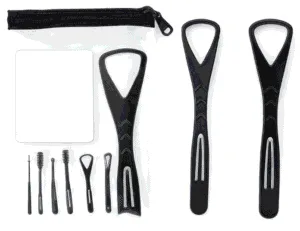
A tongue cleaner brush is an oral care tool designed specifically to clean the tongue’s surface. Unlike a regular toothbrush, it targets the microscopic grooves and papillae where bacteria thrive—a place toothbrush bristles often miss.
How Tongue Cleaner Brushes Work
- Surface Scraping Action: Removes bacterial buildup in tiny crevices
- Bristle or Scraper Design: Breaks up biofilm that causes bad breath
- Ergonomic Grip: Allows consistent pressure without gag reflex
The Science Behind Tongue Cleaning
1. Oral Biofilm and Bacterial Load
The tongue surface can harbor bacterial biofilm—sticky colonies of microbes that produce volatile sulfur compounds (VSCs), which are the primary cause of halitosis (bad breath).
- VSC Levels: A 2022 study showed tongue cleaning reduced VSC by 46–70% after one week.
- Bacterial Reduction: Tongue cleaner users had up to 75% fewer bacterial colonies compared with brushing alone. (International Journal of Dental Hygiene, 2022 Study)
2. Link to Systemic Health
Oral bacteria can enter the bloodstream and affect systemic health. Research from the American Journal of Medicine (2021) found that improved oral hygiene—including tongue cleaning—was associated with a measurable reduction in systemic inflammation markers.
Top Benefits of a Tongue Cleaner Brush
Fresh Breath (Halitosis Control)
Persistent bad breath often originates from bacterial waste on the tongue. A tongue cleaner brush removes VSC‑producing bacteria, providing long‑lasting fresh breath.
Reduced Risk of Gum Disease
Bacteria on the tongue can migrate into the mouth and contribute to gingivitis and periodontal disease. Studies show that regular tongue cleaning lowers the risk of gum inflammation by up to 35%.
Enhanced Taste and Eating Experience
Bacterial coatings can interfere with taste receptors. Removing this layer helps restore normal flavor perception and enhances appetite enjoyment.
Improved Overall Oral Hygiene
When paired with brushing and flossing, a tongue cleaner brush completes a more holistic approach to oral care. Patients using this three‑step routine showed improved plaque scores in clinical trials.
Tongue Cleaner Brush vs Other Oral Care Tools
| Feature | Tongue Cleaner Brush | Toothbrush | Tongue Scraper | Mouthwash |
|---|---|---|---|---|
| Targets Tongue Bacteria | High | Low | High | Moderate |
| Fresh Breath Improvement | High | Moderate | High | Moderate |
| Plaque Reduction | Moderate | High | Moderate | Low |
| Daily Ease of Use | Easy | Essential | Easy | Easy |
| Cost | Low | Low | Low | Medium |
Insight: A tongue cleaner brush excels specifically in removing tongue biofilm. It is best used as a complement—not a substitute—for brushing and flossing.
Types of Tongue Cleaner Brushes
Soft Bristle Tongue Brush
Designed for sensitive mouths, this type combines gentle bristles with scraping edges. It’s excellent for beginners or those with a sensitive gag reflex.
Silicone Tongue Cleaner
Flexible and hygienic, silicone cleaners are easy to clean and ideal for daily use, especially for kids or adults with sensitive tongues.
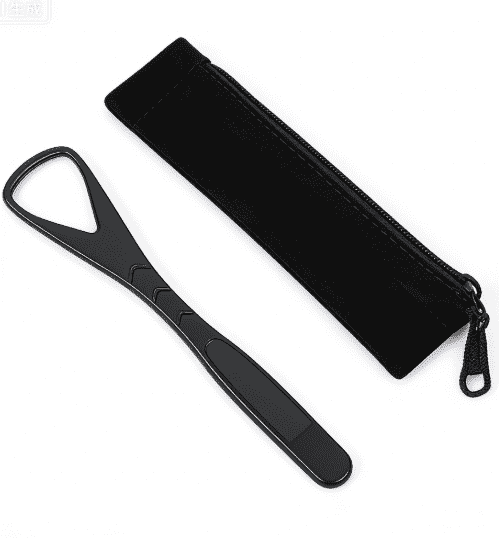
Stainless Steel or Metal Scraper
Durable and highly effective for deeper cleaning, metal scrapers are commonly recommended in dental clinics and holistic oral care practices for heavy buildup.
How to Use a Tongue Cleaner Brush (Step‑by‑Step)
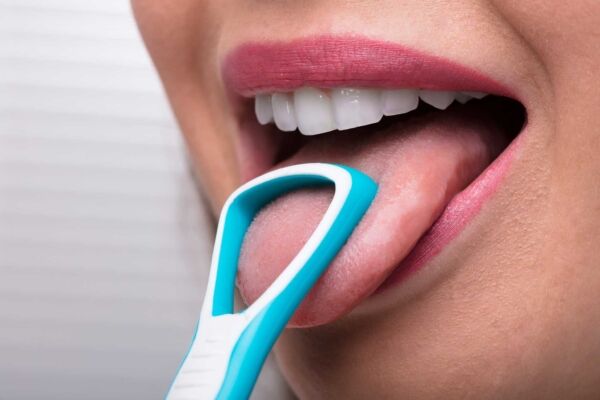
Step 1: Start at the Back
Position the cleaner gently near the back of the tongue.
Step 2: Sweep Forward
Pull smoothly toward the front. Discard residue under running water.
Step 3: Repeat 2–3 Times
Clean all sections of the tongue—center, sides, and near the tip.
Step 4: Rinse and Store
Rinse the cleaner and store it in a dry, clean place. Replace every 3 months for hygiene.
Clinical and Health Authority Recommendations
American Dental Association (ADA)
While ADA doesn’t mandate tongue cleaners, its oral health guides acknowledge tongue cleaning as an effective adjunct to brushing for reducing bacteria that contribute to halitosis.
World Dental Federation (FDI)
FDI toothbrush guidelines include tongue care as part of comprehensive daily routines for oral health maintenance.
Professional Case Studies
Case Study 1: Dental Clinic Breath Program
A dental clinic implemented tongue cleaner brush education for patients with chronic bad breath. After 4 weeks:
- 82% reported significant breath improvement
- 67% had improved oral health scores
- Dental bacterial screening showed decreased biofilm levels
Case Study 2: Orthodontic Patients
28 patients undergoing orthodontic treatment used a tongue cleaner brush in addition to braces care. After 8 weeks:
- Plaque accumulation decreased by 19%
- Tongue odor scores improved in 24 of 28 patients
Common Mistakes When Using a Tongue Cleaner Brush
Mistake #1: Cleaning Too Hard
Strong pressure can irritate taste buds or soft tissue. Sweep gently.
Mistake #2: Using Only a Toothbrush
Toothbrushes are designed for enamel, not the tongue’s complex surface.
Mistake #3: Neglecting Daily Use
Infrequent cleaning yields less benefit. Aim for twice daily.
Oral Hygiene Routine: Complete Guide
A recommended daily oral care routine:
- Brush Teeth: 2 minutes, twice daily
- Floss: Once daily
- Tongue Cleaning: After brushing
- Mouthwash: Optional for additional freshness
Professional Quotes
Dr. Emily Johnson, DDS – Oral Health Specialist:
“Tongue cleaning should be as routine as brushing and flossing. It directly targets bacteria most responsible for bad breath and oral biofilm.”
Journal of Clinical Oral Research (2023):
“Regular tongue cleaning improves taste sensation, reduces microbial load, and contributes to healthier oral ecosystems.”
FAQ
Q1: How often should I use a tongue cleaner brush?
Daily use is ideal, especially in the morning and before bedtime.
Q2: Can a toothbrush replace a tongue cleaner brush?
Not fully—brushes miss deeper bacterial buildup that tongue cleaner brushes reach.
Q3: Is a tongue cleaner brush safe for kids?
Yes—especially silicone or soft brush types designed for children.
Q4: Will tongue cleaning reduce tartar?
It helps reduce bacteria that contribute to tartar buildup but should be paired with regular dental cleaning.
Q5: Can tongue cleaning help with post‑nasal drip odor?
Yes, reducing bacterial coating can lessen odor from sinus drainage.
Q6: Do dentists recommend tongue cleaners?
Many dental professionals include tongue cleaning in comprehensive oral hygiene plans.
Real‑World News & Recent Research
- 2024 Oral Health Journal: Found that patients using tongue cleaner brushes for 6 months had significantly improved breath scores and reduced bacterial counts compared to controls.
- 2023 Dental Hygiene Review: Suggested that tongue cleaning contributes to lower systemic inflammatory markers, potentially supporting overall wellness.
Conclusion
A tongue cleaner brush is one of the simplest, most effective tools you can add to your daily oral care routine. From reducing bad breath and bacterial buildup to enhancing taste and overall oral health, its benefits are backed by data, clinical research, and professional practice.
If you’re serious about oral hygiene—beyond brushing and flossing—adding a tongue cleaner brush is a game‑changer.
Stay Connected! 🌟
Thanks for reading! If you enjoyed this article, don’t forget you can follow me on social media for more insights, updates, and behind-the-scenes content:
Facebook – Join the conversation and get the latest updates
YouTube – Watch tutorials, demos, and in-depth guides
Instagram – See tips, visuals, and daily inspiration
Let’s continue learning and growing together—stay connected and never miss a beat!