Table of Contents
Introduction
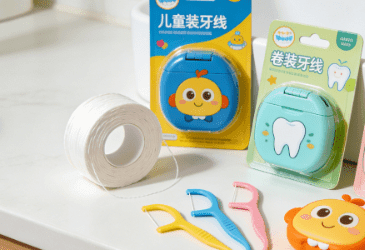
Flossing is often overlooked in children’s oral care, yet it is critical for preventing cavities, gum disease, and long-term dental issues. According to the American Academy of Pediatric Dentistry (AAPD), children who floss daily have up to 40% fewer cavities between teeth compared to those who do not.
Using children’s dental floss correctly establishes lifelong oral hygiene habits, reduces the risk of painful procedures, and promotes confidence in your child’s smile. This article breaks down dentist-recommended techniques, floss options, and strategies to make flossing enjoyable and effective.
Understanding Children’s Dental Floss
What Is Children’s Dental Floss?
Children’s dental floss is a specialized oral hygiene tool designed specifically for smaller mouths and developing teeth. Unlike adult floss, it often comes in fun colors, flavored varieties, and ergonomic designs, making it easier and more enjoyable for kids to use.
Pediatric dentists emphasize that introducing flossing early—typically around age two when teeth first start touching—can significantly reduce plaque buildup in areas toothbrushes cannot reach. This early habit lays the foundation for lifelong oral hygiene and helps children develop healthy flossing routines.
The Science Behind Flossing
Flossing is not just an extra chore—it is a scientifically proven method to prevent cavities and gum disease. It works by removing plaque and food particles lodged between teeth and just below the gumline. These areas are particularly susceptible to interproximal cavities, which can be invisible without proper flossing.
Research shows that two minutes of daily flossing can reduce interproximal decay by 30–50% in school-age children, highlighting its critical role in preventive dental care. Additionally, flossing stimulates the gums, increasing blood circulation and supporting overall oral health.
Choosing the Best Type of Children’s Dental Floss
String Floss
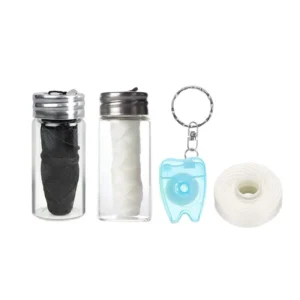
Traditional string floss is best suited for older children, ages 7 and up, who have developed sufficient finger dexterity. It allows for precision cleaning, especially in tight spaces, ensuring thorough plaque removal. Dentists often recommend string floss for children who are ready to take more responsibility for their oral hygiene.
Advantages: Highly effective, precise, can reach tight contacts.
Considerations: Requires skill and supervision initially.
Pre-Threaded Flossers
Pre-threaded flossers are ideal for younger children, ages 4–7, as the handles make flossing easier to grip and control. These flossers are designed to reduce frustration, allowing children to focus on technique rather than struggling with manual dexterity.
Advantages: Easy to use, fun, encourages independent flossing.
Considerations: Less precise in very tight areas compared to string floss.
Floss Picks
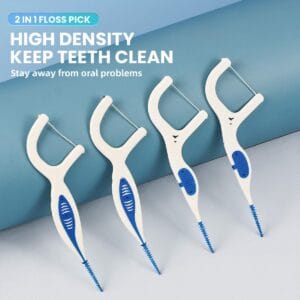
Floss picks combine convenience and enjoyment, making them perfect for toddlers and early school-age children. Their fun designs and colorful handles can make flossing feel like a game, encouraging consistent daily use. Pediatric dentists frequently suggest them as a bridge between parental supervision and independent flossing.
Advantages: Portable, fun, reduces parental assistance needed.
Considerations: Typically single-use, slightly more expensive over time.
Material Considerations
Waxed vs. Unwaxed Floss
Waxed floss slides more easily between tight teeth, reducing discomfort and helping children maintain proper technique. Unwaxed floss may fray or snag, which can be frustrating for younger children.
Flavored Floss
Flavors such as strawberry, bubblegum, and mint are popular among children and increase compliance, making them more likely to floss consistently. Flavor is a subtle but effective motivator in building long-term habits.
Eco-Friendly Options
Biodegradable and environmentally friendly flosses are gaining popularity, allowing parents to teach children about sustainable choices while maintaining oral hygiene. This is particularly appealing for families looking to reduce plastic waste.
Comparison Table of Floss Types for Children
| Floss Type | Recommended Age | Pros | Cons |
|---|---|---|---|
| String Floss | 7+ | Precise, thorough cleaning | Requires skill |
| Pre-Threaded Flossers | 4–7 | Easy grip, fun | Less precise in tight areas |
| Floss Picks | 3+ | Convenient, portable | Single-use, slightly higher cost |
Step-by-Step Flossing Techniques for Children

How to Floss Your Child’s Teeth Correctly
Dentists emphasize gentle but thorough technique to avoid gum irritation while ensuring plaque is fully removed. The process can be broken down into several clear steps:
- Use a manageable length of floss – roughly 18 inches (45 cm). Too short makes it hard to clean, too long can be unwieldy for children.
- Wrap around fingers – leave 1–2 inches of floss to slide comfortably between each tooth. This allows proper control while minimizing the risk of snapping the floss.
- Form a C-shape around the tooth – gently guide the floss along the sides of each tooth and just under the gumline. This ensures plaque removal from the critical contact areas.
- Repeat for all teeth, including molars at the back of the mouth, which are most prone to cavities and difficult to reach.
Supervision is crucial for children under age 7, as their coordination may not yet be sufficient to floss safely and effectively.
Common Mistakes and How to Avoid Them
Flossing Too Hard
Excessive force can damage delicate gums, causing bleeding or irritation. Pediatric dentists recommend using gentle, controlled motions, moving the floss slowly between teeth.
Skipping Molars
Back teeth are highly susceptible to decay because of their grooves and position. Always ensure molars are included in daily flossing to prevent hidden cavities.
Inconsistent Routine
Flossing sporadically is far less effective than establishing a daily habit. Consistency is key for preventing plaque buildup and maintaining gum health. Experts suggest pairing flossing with brushing at bedtime to create a predictable and enforceable routine.
Making Flossing Enjoyable for Children
Incorporating Fun into Daily Flossing
Pediatric dentists stress that positive experiences encourage habit formation. Practical strategies include:
- Colorful and flavored floss – Fun designs and tastes, such as bubblegum or strawberry, make flossing feel like a treat rather than a chore.
- Reward systems – Sticker charts, points, or small incentives motivate children to floss consistently. Rewards should emphasize achievement and routine, not just outcomes.
- Role-playing and storytelling – Demonstrating flossing on stuffed animals, toys, or dental models can teach proper technique while turning flossing into an enjoyable game.
Behavioral Insights
Experts note that habit formation in early childhood is critical. Children are far more likely to maintain flossing routines if the activity:
- Is associated with positive reinforcement (praise, rewards, or encouragement).
- Uses storytelling or games to make flossing engaging.
- Becomes a regular, non-negotiable part of daily life, such as immediately before bedtime after brushing.
Research shows that children who floss with parental involvement are up to 40% more likely to maintain consistent daily flossing than those left unsupervised.
Comparing Children’s Dental Floss Options
Choosing the right floss depends on age, dexterity, and motivation.
| Feature | String Floss | Pre-Threaded Flossers | Floss Picks |
|---|---|---|---|
| Ease of Use | Moderate | Easy | Very Easy |
| Engagement | Low | Medium | High |
| Precision | High | Medium | Medium |
| Cost | Low | Moderate | Moderate |
| Ideal Age | 7+ | 4–7 | 3+ |
Key Takeaway: Younger children benefit from floss picks or pre-threaded flossers, while older children develop precision using string floss.
Dentists’ Recommendations and Scientific Insights
Expert Opinions
Leading pediatric dentists emphasize that early introduction of flossing is key to lifelong oral health. Dr. Emily Chen, a respected pediatric dentist, notes:
“Introducing floss early and making it a positive habit dramatically reduces the risk of cavities between teeth. Consistency is far more important than perfection.”
Dr. Michael Rivera, another pediatric specialist, adds:
“Children who learn to floss with guidance before age 7 are significantly less likely to develop interproximal decay. Parents should make flossing part of a playful routine rather than a chore.”
These expert insights highlight that the quality of habit formation and engagement is as important as technique.
Supporting Data
Scientific studies back up the recommendations from dental professionals. Some key findings include:
- Flavored or pre-threaded floss increases compliance – children flossed 30% more consistently when using these options compared to traditional string floss.
- Combined brushing and flossing can reduce interproximal cavities by up to 50%, compared to brushing alone, according to pediatric oral health studies.
- Early flossing prevents gum inflammation – starting flossing as teeth develop encourages healthy gum tissue growth and reduces the likelihood of gingivitis in later childhood.
A 2021 study in the Journal of Pediatric Dentistry demonstrated that children flossed with pre-threaded flossers an average of 1.8 times per day, compared to 1.2 times per day with traditional floss, confirming that tool choice significantly impacts daily flossing adherence.
Why Early Flossing Matters
Flossing is not only about preventing cavities—it also:
- Encourages proper oral hygiene habits that carry into adolescence and adulthood.
- Improves gum health by reducing plaque accumulation at the gumline.
- Reduces the risk of orthodontic complications, as cleaner teeth and gums make future braces or aligner treatments more effective.
Dental professionals stress that starting early and making flossing fun and rewarding helps children internalize the habit, creating a foundation for lifelong oral wellness.
Practical Recommendations for Parents
Based on clinical insights and research, pediatric dentists recommend:
- Introduce floss between ages 2–3 once teeth begin to touch.
- Use child-friendly floss types – flavored, pre-threaded, or floss picks for younger children.
- Supervise flossing until age 7 to ensure proper technique and safety.
- Incorporate reward systems to make flossing enjoyable and reinforce daily habits.
- Model good behavior – children are more likely to floss consistently when parents demonstrate and participate in oral hygiene routines.
Summary Table: Pediatric Flossing Insights
| Recommendation | Evidence-Based Reason | Key Benefit |
|---|---|---|
| Start flossing at age 2–3 | Early plaque prevention | Reduces cavities and gum issues |
| Use flavored/pre-threaded floss | 30% higher compliance | Encourages daily habit |
| Daily brushing + flossing | Up to 50% reduction in interproximal cavities | Comprehensive oral care |
| Supervise until age 7 | Ensures proper technique | Prevents injury and builds skill |
| Reward & model behavior | Positive reinforcement | Establishes lifelong habits |
Conclusion
Children’s dental floss is an essential part of oral hygiene. By choosing the right type, teaching proper technique, and making it fun, parents can ensure their children develop lifelong flossing habits.
Expert guidance, consistent supervision, and positive reinforcement maximize oral health benefits, prevent cavities, and set children up for a confident, healthy smile.
FAQ
Q1: At what age should children start flossing?
Children should start flossing once two teeth touch, usually around age 2–3.
Q2: Can toddlers floss independently?
Children under 7 generally need parental supervision to ensure proper technique.
Q3: Does flavored floss encourage better habits?
Yes, studies show flavored floss increases compliance, especially in children resistant to brushing or flossing.
Q4: How often should children floss?
Once daily, preferably before bedtime after brushing.
Q5: Are floss picks as effective as string floss?
Floss picks are convenient and fun but may miss tight spaces. String floss is more precise for full interproximal cleaning.
Stay Connected! 🌟
Thanks for reading! If you enjoyed this article, don’t forget you can follow me on social media for more insights, updates, and behind-the-scenes content:
Facebook – Join the conversation and get the latest updates
YouTube – Watch tutorials, demos, and in-depth guides
Instagram – See tips, visuals, and daily inspiration
Let’s continue learning and growing together—stay connected and never miss a beat!