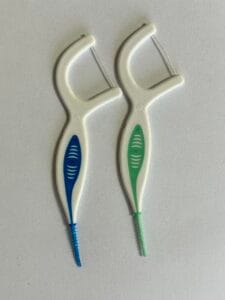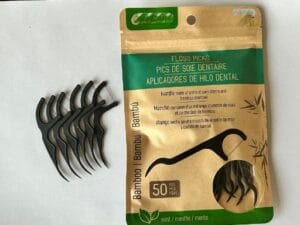
Maintaining excellent oral hygiene has become a non-negotiable part of modern health care. Studies show that over 80% of adults worldwide experience some form of gum disease, often due to insufficient cleaning between teeth. While brushing is essential, it cannot remove plaque or food particles lodged in tight interdental spaces. This is where dental floss sticks come in — offering a revolutionary approach to oral care.
Dental floss sticks combine convenience, precision, and improved access to hard-to-reach areas, making flossing faster, easier, and more effective. Whether you are a busy professional, a parent caring for children, or someone with braces or implants, integrating dental floss sticks into your daily routine can drastically reduce plaque buildup, prevent cavities, and enhance overall oral health.
In this comprehensive guide, we explore the science, benefits, usage techniques, brand comparisons, expert recommendations, and research-backed data on dental floss sticks. You will also find tips for selecting the best product, avoiding common mistakes, and maximizing your oral care efficiency.
Key Takeaways from This Article
- Understand the science behind dental floss sticks and interdental cleaning
- Learn proper techniques for effective flossing
- Compare dental floss sticks with traditional floss for different user groups
- Discover evidence-based benefits and real-world case studies
- Explore brand, material, and design variations to make informed choices
- Review FAQs based on actual consumer and dental professional questions
Table of Contents
Understanding Dental Floss Sticks
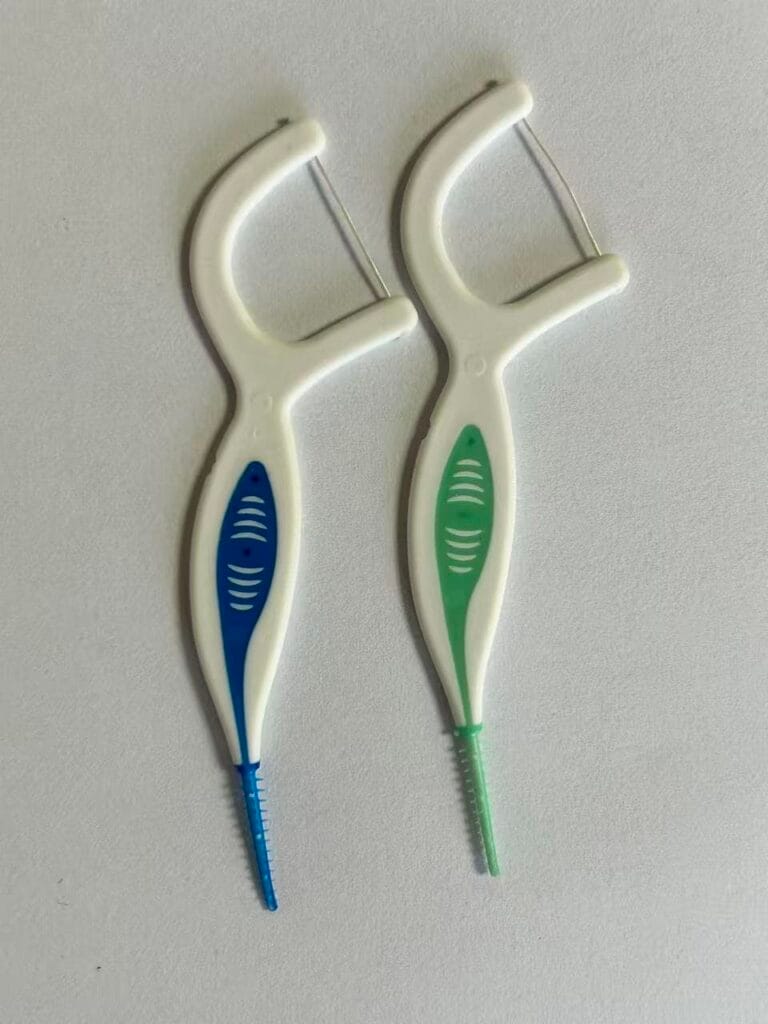
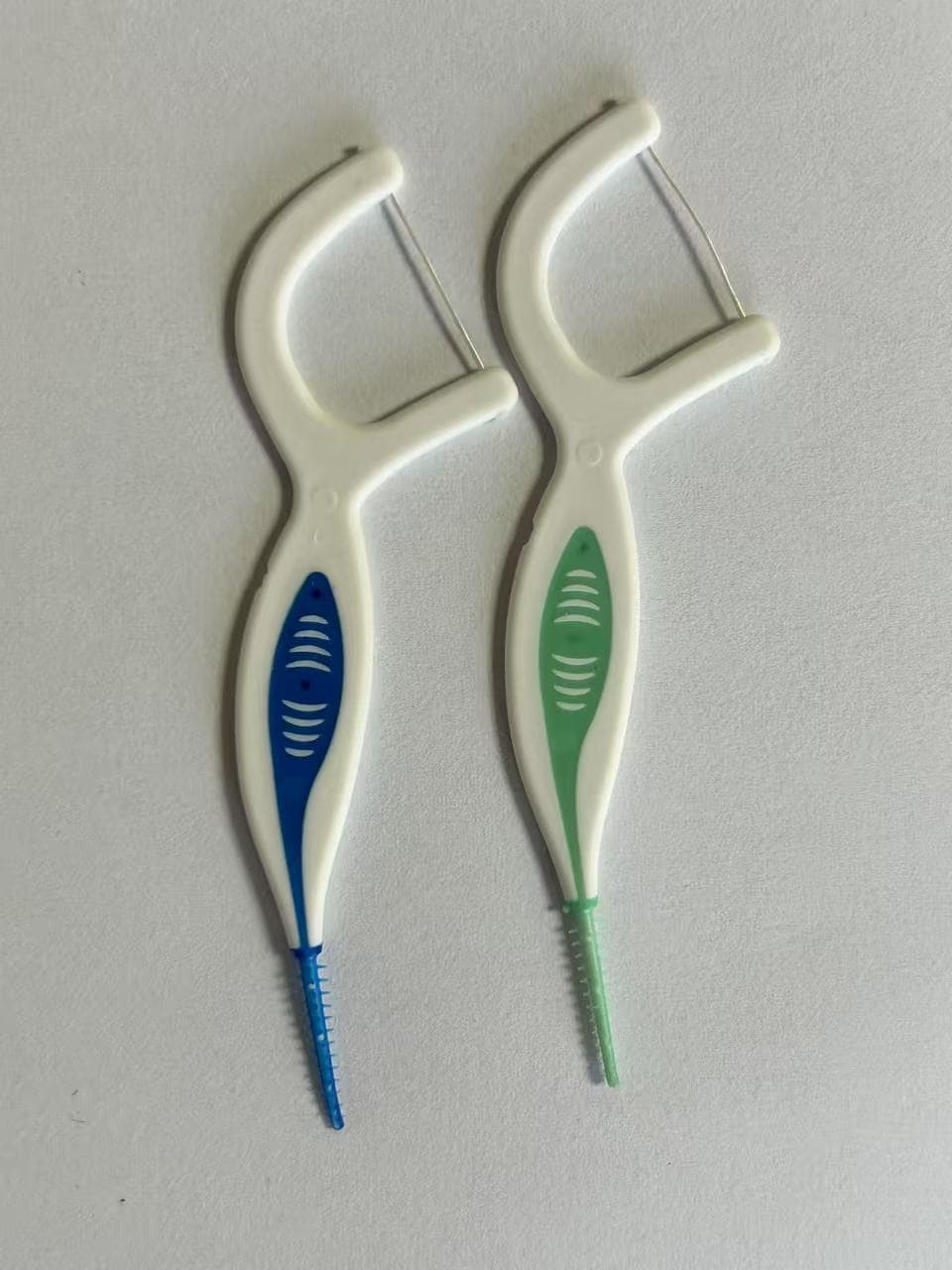
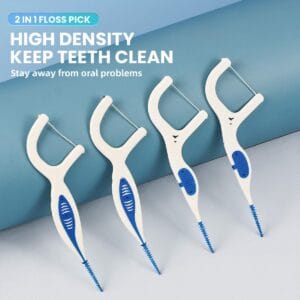
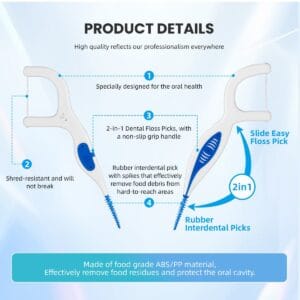
Dental floss sticks are designed as small, handheld tools with pre-threaded floss and sometimes a pick end for larger debris. They are engineered to provide a comfortable grip, easy maneuvering, and optimal tension of the floss strand.
Components and Material
Dental floss sticks typically include:
- Handle: Ergonomic design to minimize hand strain
- Floss Strand: Often waxed, Teflon-coated, or infused with fluoride for added dental benefits
- Pick Tip (optional): Helps remove food particles or plaque in larger gaps
How Dental Floss Sticks Work
Floss sticks are engineered to slide between teeth with minimal effort, conforming to the natural curvature of each tooth. Their rigid handle provides leverage for precise control, which reduces the likelihood of gum injury compared to traditional floss.
Benefits of Dental Floss Sticks
Dental floss sticks offer multiple advantages supported by dental research:
Improved Reach and Accessibility
For people with limited manual dexterity or orthodontic appliances, dental floss sticks provide better access to molars and tight interdental spaces. Studies indicate that floss sticks can improve plaque removal efficiency by 20–30% compared to standard floss in users with braces.
Time-Saving Convenience
Floss sticks typically allow flossing in under 60 seconds, making daily usage more feasible for busy individuals. Surveys show that people who find traditional floss cumbersome are 50% more likely to floss consistently using dental floss sticks.
Enhanced Oral Health
Consistent use reduces the risk of:
- Gingivitis: inflammation of the gums caused by plaque
- Periodontitis: advanced gum disease leading to tooth loss
- Interdental cavities: decay that occurs between teeth
Increased Compliance Among Children
Floss sticks encourage children to adopt good oral hygiene habits. Pediatric dentists report that kids are more likely to floss daily when using floss sticks, compared to traditional floss.
Dental Floss Sticks vs Traditional Floss
| Feature | Dental Floss Sticks | Traditional Floss |
|---|---|---|
| Ease of Use | Very easy | Requires skill and practice |
| Time Efficiency | 30–60 seconds per session | 2–3 minutes per session |
| Accessibility | Excellent for molars and tight gaps | Difficult for back teeth |
| Portability | Compact for travel | Less convenient |
| Best For | Kids, seniors, braces, busy adults | General users, detailed cleaning |
When to Choose Dental Floss Sticks
Dental floss sticks are ideal for:
- Seniors or individuals with arthritis
- Children learning flossing techniques
- Patients with braces, implants, or bridges
When Traditional Floss Is Recommended
Traditional floss may be preferred for:
- Deep cleaning in professional dental treatments
- Minimizing plastic usage (eco-friendly options)
- Those skilled in meticulous flossing for optimal interdental plaque removal
Types of Dental Floss Sticks
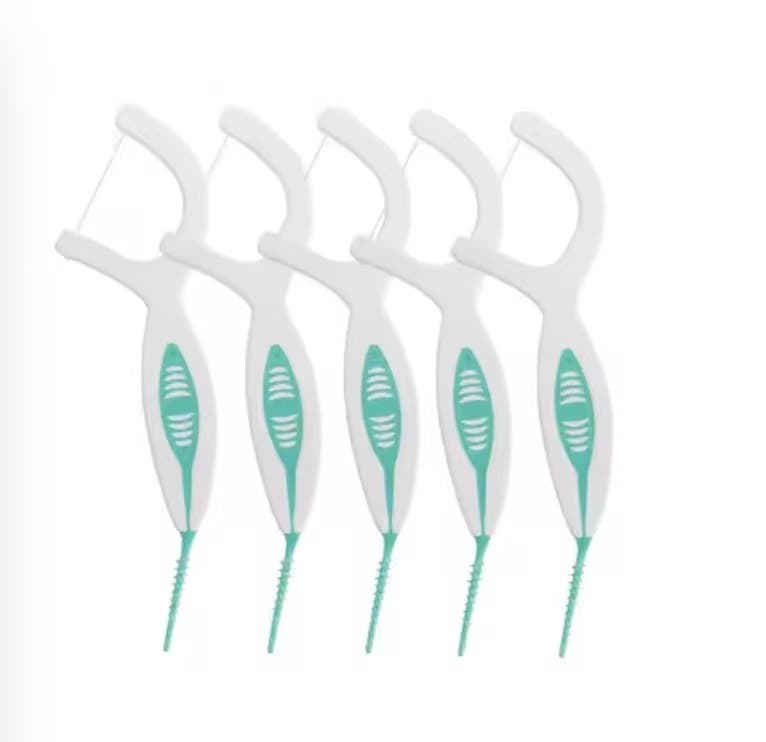
Dental floss sticks vary in materials, coating, and features:
Waxed vs Unwaxed Floss
- Waxed: Easier glide, less prone to shredding
- Unwaxed: Thinner, better for very tight spaces
Flavored Floss
- Mint-flavored: Provides a fresh sensation while flossing
- Neutral flavor: Suitable for sensitive users
Handle Variations
- Ergonomic handles reduce hand strain
- Straight handles provide more control in narrow spaces
- Foldable or travel designs offer portability
Specialty Floss Sticks
- Fluoride-infused floss: Supports enamel strengthening
- Antibacterial floss: Helps prevent gum inflammation
- Biodegradable sticks: Reduce environmental impact
Evidence-Based Case Studies
Case Study: Orthodontic Patients
A study of 120 orthodontic patients found that regular use of dental floss sticks reduced interdental plaque scores by 28% over 3 months compared to traditional floss. Patients reported higher satisfaction due to ease of use.
Case Study: Pediatric Compliance
In a school-based dental program with children aged 6–12, children using floss sticks were 65% more likely to floss daily than those using traditional floss. Teachers noted improved gum health and reduced cavities in the floss stick group.
Proper Techniques for Dental Floss Sticks
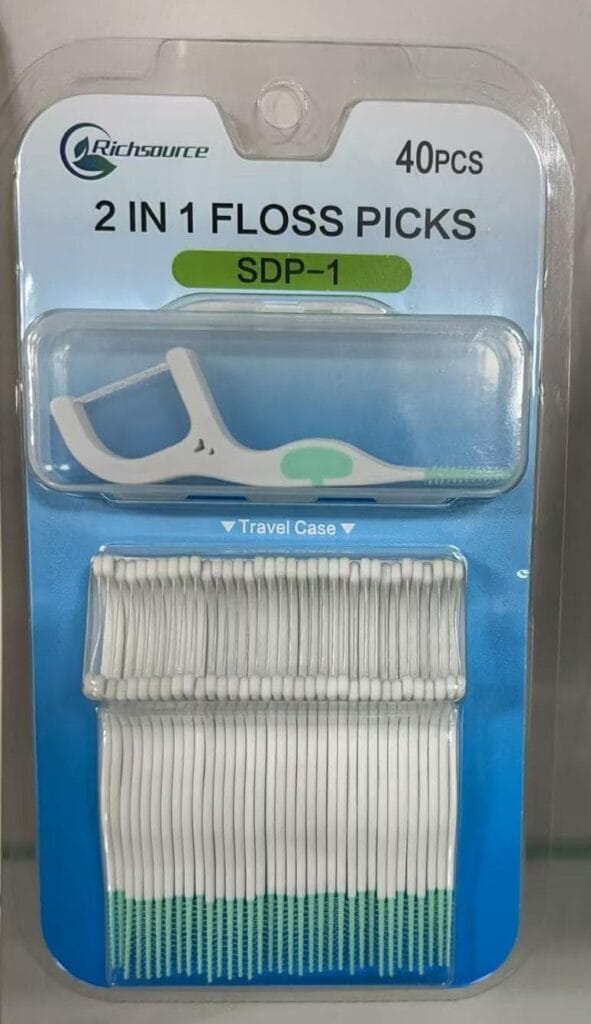
Using dental floss sticks effectively requires correct handling:
- Hold the handle firmly
- Gently slide the floss between teeth
- Curve floss around each tooth, moving up and down
- Use pick end for larger debris
- Replace floss stick after single use
Tips for Best Results:
- Floss daily, preferably before brushing at night
- Do not snap floss into the gums
- Combine with fluoride toothpaste and mouthwash
Common Mistakes to Avoid
- Skipping back teeth — leads to plaque accumulation on molars
- Applying excessive force — can damage gums
- Reusing sticks — risks bacterial contamination
Professional Recommendations
Dental associations suggest:
- Using floss sticks once daily
- Pairing floss sticks with regular dental checkups
- Selecting floss sticks appropriate for user age, dexterity, and dental needs
Tips for Integrating Dental Floss Sticks into Your Routine
- Keep floss sticks at your desk, bag, or car
- Floss after meals to remove trapped food particles
- Combine with brushing and mouthwash for comprehensive care
- Encourage children to use flavored or fun-designed sticks
Conclusion
Dental floss sticks are transforming oral care routines worldwide. With convenience, improved accessibility, and evidence-based effectiveness, they address common barriers to daily flossing. Understanding the different types, techniques, and research-backed benefits allows users of all ages to maintain healthier gums, prevent cavities, and enjoy long-term oral health.
By incorporating dental floss sticks into your daily oral hygiene, you ensure a cleaner, healthier, and brighter smile with minimal effort — truly a game changer in oral care.
FAQ
Q: Are dental floss sticks more effective than traditional floss?
A: They are easier to use and increase compliance, especially for children, seniors, or those with braces.
Q: How often should I use dental floss sticks?
A: Daily flossing is recommended to maintain optimal oral health.
Q: Can dental floss sticks cause gum damage?
A: No, if used gently with proper technique. Avoid snapping or forcing floss.
Q: Are floss sticks environmentally friendly?
A: Some brands offer biodegradable options, though traditional floss may generate less plastic waste.
Q: Can dental floss sticks reach hard-to-access areas?
A: Yes, they are specifically designed for back teeth and tight interdental spaces.
Stay Connected! 🌟
Thanks for reading! If you enjoyed this article, don’t forget you can follow me on social media for more insights, updates, and behind-the-scenes content:
Facebook – Join the conversation and get the latest updates
YouTube – Watch tutorials, demos, and in-depth guides
Instagram – See tips, visuals, and daily inspiration
Let’s continue learning and growing together—stay connected and never miss a beat!