Tabla de contenido
Introducción
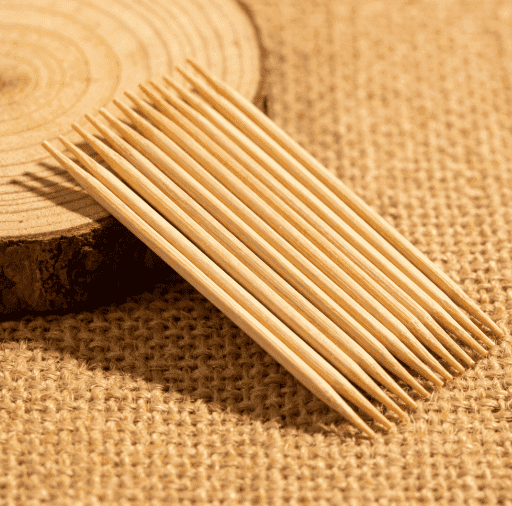
Palillos de madera pueden parecer pequeños y simples, pero juegan un papel sorprendentemente importante en la gastronomía, la presentación de alimentos, la higiene e incluso en proyectos artesanales. Elegir palillos de madera de alta calidad es más que una simple compra trivial: afecta directamente a la seguridad, la durabilidad, la experiencia del usuario y la sostenibilidad.
Todos los días, restaurantes, hogares y profesionales confían en palillos de madera. Los palillos de mala calidad pueden astillarse, romperse o transportar contaminantes, lo que puede resultar peligroso. Más allá de su uso funcional, los palillos de madera también reflejan atención al detalle y consumo responsable.
En esta guía, exploramos tres consejos esenciales para seleccionar palillos de madera de primera categoría. En el camino, brindamos información experta, datos prácticos y consejos prácticos para garantizar que cada palillo que utilice sea seguro, confiable y respetuoso con el medio ambiente.
Consejo 1: Evaluación de la calidad del material y la madera
Comprensión de los tipos de madera en palillos de madera
La base de la alta calidad palillos de madera radica en el tipo de madera utilizada. No todas las maderas son iguales. Los materiales más comunes incluyen
- Abedul: Ligero, suave e ideal para restaurantes. Fácil de producir en formas y tamaños consistentes.
- Bambú: Flexible, duradero, ecológico y resistente a las astillas. Rápidamente renovable.
- Haya: Dura y densa, excelente para manualidades o uso intensivo. Más caro debido a un crecimiento más lento.
Propiedades clave a evaluar
Al seleccionar palillos de madera, concéntrese en
- Grano y suavidad: Evite superficies rugosas que puedan astillarse. Las superficies lisas reducen el riesgo de lesiones.
- Flexibilidad y resistencia: Los palillos deben soportar una presión suave sin romperse.
- Fuente y sostenibilidad: consulte las certificaciones FSC o PEFC para garantizar una cosecha responsable.
Expert Insight: enfatiza la Dra. Lisa Hammond, consultora de seguridad alimentaria
“La madera de alta calidad y de origen sostenible reduce las astillas y la contaminación, lo que la hace esencial tanto para los establecimientos de comida como para los hogares”
Aplicaciones prácticas de la elección de materiales
- Restaurantes: Los palillos de madera de abedul son los más comunes debido a su suavidad y rentabilidad.
- Casas con conciencia ecológica: los palillos de madera de bambú son los preferidos para la sostenibilidad.
- Manualidades y modelos: Los palillos de madera de haya o de madera más gruesa proporcionan estabilidad y durabilidad.
Consejo 2: Consideraciones de higiene y seguridad
La importancia de las palillos de madera seguros
La higiene es una prioridad absoluta a la hora de utilizarla palillos de madera para alimentos. Las opciones de baja calidad pueden albergar bacterias, moho o productos químicos nocivos. El uso de palillos de madera que cumplan con los estándares de higiene protege tanto a los consumidores como a los empleados.
Características clave de seguridad
- Embalaje: Los contenedores envueltos o sellados individualmente evitan la contaminación.
- Sin químicos: Evite barnices, tintes o tratamientos químicos.
- Resistencia a la humedad: la madera bien seca previene el crecimiento bacteriano.
Comparación de higiene y seguridad
| Característica | Palillos de Madera de Baja Calidad | Palillos de Madera de Alta Calidad |
|---|---|---|
| Suavidad superficial | Duro, desigual | Suave, sin astillas |
| Tratamiento químico | Posibles colorantes o recubrimientos | Natural, fără chimice |
| Embalaje | Paquetes sueltos a granel | Paquetes sellados o envueltos |
| Durabilidad | Se rompe fácilmente | Flexible y fuerte |
| Seguridad higiénica | Alto riesgo de contaminación | Cumple con los estándares de seguridad alimentaria |
Data Insight: Un estudio de 2022 realizado por el Journal of Food Hygiene encontró que los palillos de madera sellados y de alta calidad reducían la contaminación microbiana en 65% en comparación con los paquetes sueltos a granel, lo que destaca la importancia de un embalaje y una selección de materiales adecuados.
Recomendación de expertos: dice Susan Kim, jefa de cumplimiento de higiene de Green Dining Association
“Los restaurantes y los hogares deben elegir palillos de madera sellados y sin tratar químicamente para mantener la seguridad alimentaria y la confianza del cliente”
Consejo 3: longitud, forma e idoneidad de la aplicación
Elegir el tamaño y la forma adecuados
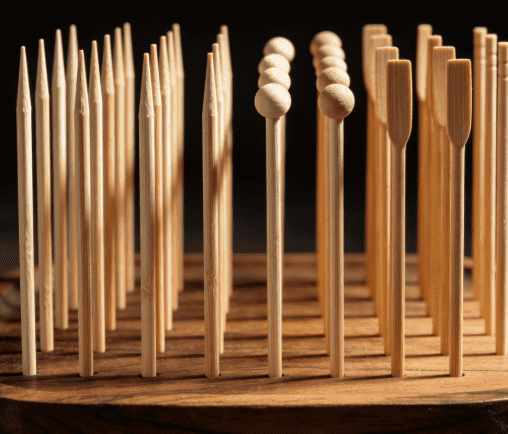
Palillos de madera vienen en varias longitudes y diseños, cada uno adecuado para aplicaciones específicas
- Palillos de dientes estándar de madera: 2,5-3 pulgadas, ideales para la cena diaria.
- Selecciones de cócteles: más largas, a veces decorativas, perfectas para aperitivos o bebidas.
- Craft Toothpicks: Más gruesos y robustos para proyectos o modelos de bricolaje.
Consideraciones importantes
- Nitidez de la punta: equilibrio entre facilidad de perforación y seguridad.
- Consistencia: La uniformidad en longitud y diámetro mejora la usabilidad.
- Características especiales: Los palillos de madera aromatizados, coloreados o moldeados añaden versatilidad.
Ejemplos de aplicación
- Comedor: Palillos de madera estándar para comidas y bocadillos.
- Cócteles: Los palillos decorativos de madera mejoran la presentación y la experiencia del cliente.
- Artesanías: Los palillos de madera más gruesos proporcionan integridad estructural para modelos y proyectos de arte.
Consejo 4: Comparación de precio, calidad y durabilidad
Comprender el equilibrio costo-calidad
Si bien los palillos de madera económicos pueden ahorrar dinero por adelantado, la calidad afecta la durabilidad, la seguridad y la higiene. Las opciones de alta calidad, aunque un poco más costosas, son más confiables y reducen el desperdicio.
Factores que influyen en la calidad y el precio
- Tipo y fuente de madera
- Precisión de fabricación (suavidad, uniformidad)
- Embalaje y protección higiénica
- Certificaciones ambientales
- Uso previsto (comida, cóctel, artesanía)
Tabla de precio versus calidad
| Característica | Palillos de Madera de Bajo Costo | Palillos de Madera de Alta Calidad |
|---|---|---|
| Precio por 1000 unidades | $1-$2 | $3-$5 |
| Durabilidad | Bajo | Alto |
| Riesgo de astilla | De moderado a alto | Mínimo |
| Embalaje | Granel suelto | Envuelto individualmente |
| Ecológico | Bajo | Alto (certificado FSC/PEFC) |
Consejo de experto: Según Mark O'Connor, consultor de sostenibilidad
“Invertir un poco más en palillos de madera de alta calidad no sólo mejora la seguridad y la higiene sino que también se alinea con la responsabilidad medioambiental”
Consejo 5: Consideraciones ambientales y de sostenibilidad
La ventaja ecológica
La producción sostenible es fundamental para los consumidores y las empresas conscientes del medio ambiente. Bambú palillos de madera crecer rápidamente y reducir el impacto ambiental en comparación con la madera dura tradicional.
Directrices clave
- Busque certificaciones FSC o PEFC.
- Prefiere el bambú o el abedul cosechado responsablemente.
- Evite el blanqueo químico o los envases no biodegradables.
Estudio de caso: una cafetería popular y ecológica cambió por completo a palillos de madera de bambú con certificación FSC en 2022. El cambio redujo su huella de residuos en 30% y mejoró la percepción del cliente.
Consejo 6: Perspectivas del consumidor y tendencias del mercado
Popularidad y patrones de uso
- El uso doméstico sigue siendo dominante, con 75% de compradores que utilizan palillos de madera para comer e higiene.
- Las aplicaciones de artesanía y modelismo representan el 20% de ventas, destacando la versatilidad de los palillos de madera.
- Los palillos de madera con sabores especiales o decorativos están aumentando su demanda en la industria hotelera.
Información sobre datos: Según el Informe global sobre productos de madera 2023, se prevé que el mercado mundial de palillos de madera crezca a una tasa compuesta anual de 4,51 TP3T durante los próximos cinco años, impulsado por consumidores preocupados por la higiene y tendencias ecológicas.
Consejo 7: Consejos prácticos de compra para compras al por mayor
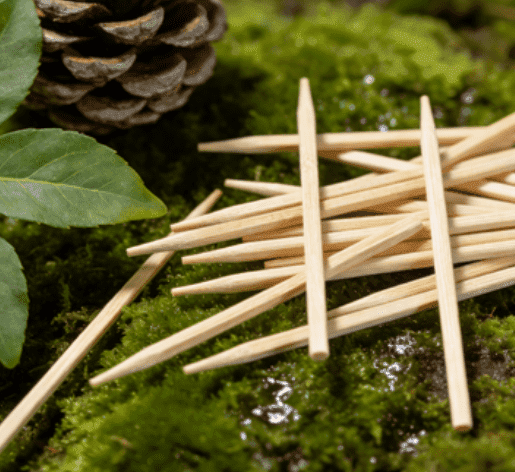
Selección de palillos de madera a granel
Las empresas o los organizadores de eventos suelen comprar palillos de madera en grandes cantidades. Las consideraciones incluyen
- Envases a granel con precintos protectores para garantizar la higiene
- Consistencia tipo madera para evitar astillas
- Ecocertificaciones de responsabilidad corporativa
- Fiabilidad y plazos de entrega de los proveedores
Lista de Mejores Prácticas
- Verifique las certificaciones FSC o PEFC.
- Inspeccione los palillos de dientes de madera de muestra antes de realizar pedidos al por mayor.
- Prefiere bambú o abedul de alta calidad para un rendimiento constante.
- Evite la madera sin tratar o procesada químicamente.
Expert Insight: dice Rachel Moore, gerente de cadena de suministro de una empresa de catering
“Los pedidos al por mayor deberían centrarse en la seguridad y la coherencia en lugar de sólo en los costes. Invertir en palillos de madera de calidad ahorra tiempo y reduce el desperdicio en operaciones a gran escala”
Conclusión
Elegir el derecho palillos de madera no es trivial. Los palillos de madera de alta calidad combinan suavidad, durabilidad, seguridad y sostenibilidad. Al evaluar el tipo, la higiene, el tamaño y las certificaciones ecológicas de la madera, los consumidores y las empresas pueden tomar decisiones informadas. Invertir en calidad mejora la seguridad, la eficiencia y la responsabilidad ambiental.
Preguntas frecuentes
P1: ¿Son seguros los palillos de madera para los niños?
R1: Sí, si es suave, químicamente seguro y tiene el tamaño adecuado para evitar riesgos de asfixia.
P2: ¿Cuánto duran los palillos de madera?
R2: Cuando se almacenan en condiciones secas, los palillos de madera pueden seguir siendo funcionales y seguros durante varios años.
P3: ¿Pueden los palillos de madera astillarse fácilmente?
R3: Los palillos de madera de baja calidad o mal secos pueden astillarse. Elija siempre opciones suaves y de alta calidad.
P4: ¿Son los palillos de bambú mejores que los de abedul?
R4: Los palillos de madera de bambú son ecológicos, flexibles y resistentes a las astillas, adecuados para la mayoría de las aplicaciones.
P5: ¿Cómo pueden las empresas garantizar el cumplimiento de la higiene?
R5: Opte por embalajes sellados, palillos de madera sin químicos y materiales certificados por FSC para mantener los estándares de higiene.
¡Mantente conectado! 🌟
¡Gracias por leer! Si te gustó este artículo, no olvides que puedes seguirme en redes sociales para más información, novedades y contenido entre bastidores:
Facebook – Únete a la conversación y obtén las últimas actualizaciones.
YouTube – Vea tutoriales, demostraciones y guías detalladas
Instagram – Vea consejos, elementos visuales e inspiración diaria.
Sigamos aprendiendo y creciendo juntos: ¡mantengámonos conectados y nunca nos perdamos nada!