Introducción
La odontología moderna reconoce cada vez más la limpieza interdental como una práctica preventiva central más que como un hábito opcional. La investigación clínica muestra consistentemente que el cepillado por sí solo no puede eliminar completamente la placa de los espacios interdentales, donde la biopelícula bacteriana se acumula de manera más agresiva.
Diferente tipos de hilo dental están diseñados para abordar afecciones bucales específicas, como espacios reducidos, sensibilidad de las encías, aparatos de ortodoncia y acumulación profunda de placa. Seleccionar el tipo de hilo dental correcto influye directamente en los resultados de prevención de caries y salud de las encías a largo plazo.
Tabla de contenido
Descripción general de Tipos de hilo dental en el cuidado bucal
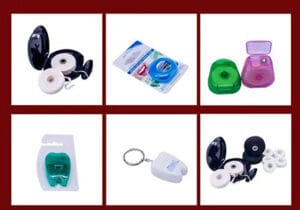
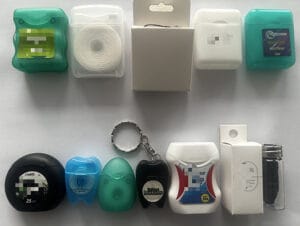
Clasificación de tipos de hilo dental
El hilo dental se puede clasificar en términos generales en:
- Hilo dental encerado
- Hilo dental sin encerar
- hilo de PTFE
- Cinta dental
- Súper hilo dental
- Hilo aromatizado
- Hilo ecológico
Cada uno de estos tipos de hilo dental está diseñado para diferentes necesidades mecánicas y clínicas.
Por qué existen múltiples tipos
Diferentes ambientes bucales requieren diferentes comportamientos de limpieza:
Estrecha separación entre dientes
Requiere hilo dental fino y de baja fricción para facilitar su inserción.
Amplias brechas interdentales
Requiere un contacto superficial más amplio para una mejor eficiencia de limpieza.
Condiciones de ortodoncia
Requerir sistemas de hilo dental estructurados para brackets y cables.
Hilo dental encerado en tipos de hilo dental
¿qué es el hilo dental encerado
El hilo dental encerado está recubierto con una capa de cera ligera para mejorar la capacidad de deslizamiento entre los dientes.
Es uno de los más utilizados tipos de hilo dental por su facilidad de manejo y comodidad.
Características clave
- Inserción suave entre dientes
- Reducción del riesgo de trituración
- Actuación amigable para principiantes
Usuarios adecuados
Usuarios generales
Ideal para rutinas diarias de higiene bucal.
Principiantes
Recomendado para personas nuevas en los hábitos de uso del hilo dental.
Hilo dental sin encerar para limpieza profunda
Definición funcional
El hilo dental sin encerar consta de múltiples fibras de nailon sin recubrimiento, lo que crea una mayor fricción durante el uso.
Características de rendimiento
- Fuerte capacidad de raspado de placas
- Mejor efecto de limpieza mecánica
- Mayor riesgo de deshilacharse en los dientes apretados
Aplicación ideal
Usuarios experimentados
Adecuado para usuarios con una técnica de uso adecuado del hilo dental.
Necesidades de limpieza profunda
Recomendado para casos de mayor acumulación de placa.
hilo dental de PTFE: tipos avanzados de hilo dental
Composición de materiales
El hilo dental de PTFE está hecho de politetrafluoroetileno, un polímero sintético de alto rendimiento ampliamente utilizado en dispositivos médicos.
Ventajas de la ingeniería
- Superficie de fricción extremadamente baja
- Alta resistencia a la tracción
- Excelente deslizamiento a través de contactos estrechos
Valor clínico
Los dentistas suelen recomendar hilo dental de PTFE porque mejora el cumplimiento del usuario debido a la reducción de las molestias.
Cinta dental: tipos de hilo dental de superficie ancha
Concepto estructural
La cinta dental es más plana y ancha que el hilo dental tradicional, lo que aumenta el contacto de la superficie con el esmalte dental.
Beneficios funcionales
- Mayor superficie de limpieza
- Reducción de la irritación de las encías
- Cómodo para encías sensibles
Casos de uso ideales
Encías sensibles
Ayuda a reducir la irritación y el sangrado.
Espaciado más amplio
Más eficaz en zonas interdentales abiertas.
Super Floss para el cuidado de la ortodoncia
Estructura multisección
Super floss incluye tres partes funcionales:
- Extremo roscado rígido
- Sección de limpieza esponjosa
- Segmento de hilo dental estándar
Aplicación clínica
Este es uno de los más especializados tipos de hilo dental utilizado en ortodoncia y cuidado dental protésico.
Recomendado para
- Arriostra a los usuarios
- Mantenimiento de puentes dentales
- Sistemas de limpieza de implantes.
Hilo dental aromatizado y cumplimiento del usuario
Rol conductual
El hilo dental aromatizado mejora la experiencia del usuario y aumenta la adherencia al uso del hilo dental a largo plazo.
Sabores comunes
- Menta
- Canela
- Variaciones a base de frutas
Observación clínica
Los estudios indican que el hilo dental aromatizado puede mejorar el cumplimiento de la rutina en aproximadamente 25-30% en nuevos usuarios.
Tabla comparativa de tipos de hilo dental
| Tipo | Eficiencia de limpieza | Nivel de comodidad | Mejor caso de uso | Dificultad |
|---|---|---|---|---|
| Hilo encerado | Medio | Alto | Uso diario | Fácil |
| Hilo sin encerar | Alto | Medio | Limpieza profunda | Medio |
| hilo de PTFE | Alto | Muy alto | Dientes apretados | Fácil |
| Cinta dental | Medio | Muy alto | Encías sensibles | Fácil |
| Súper hilo dental | Alto | Medio | Ortodoncia | Avanzado |
| Hilo aromatizado | Medio | Alto | Principiantes | Fácil |
Mecanismo clínico detrás de los tipos de hilo dental
Proceso de alteración de biopelículas
La placa dental forma biopelículas bacterianas estructuradas que se adhieren fuertemente a las superficies de los dientes.
Floss los elimina a través de:
- Fuerza de corte mecánica
- Penetración interdental
- Disrupción de la fricción superficial
Hallazgos referenciados por la ADA
Las guías dentales clínicas sugieren:
- 30-40% reducción del riesgo de gingivitis con uso diario de hilo dental
- Mejora significativa en el control de la placa interdental
- Mejor estabilidad periodontal cuando se combina con el cepillado
Perspectivas del estudio de caso
Estudio de reducción de gingivitis
- Observación clínica de 6 semanas
- 120 participantes
- 37% reducción del sangrado de encías
El hilo dental encerado mostró mayores tasas de adherencia.
Pacientes de ortodoncia
- 52% reducción de la acumulación de placa
- Menor incidencia de descalcificación del esmalte
- Mejora de la salud de las encías entre paréntesis
Usuarios del puente dental
- Super floss mejoró la eficiencia de la limpieza profunda en 60%
- La cinta dental mejoró la comodidad con 45%
Hilo versus otras herramientas de limpieza bucal
Hilo versus hilo dental de agua
| Característica | Hilo dental | Irrigador bucal |
|---|---|---|
| Eliminación de placa | Alto | Medio |
| Facilidad de uso | Medio | Alto |
| Estimulación de las encías | Alto | Bajo |
Los hilo dental son herramientas de apoyo, pero no pueden reemplazar completamente el hilo dental.
Hilo dental vs. cepillos interdentales
Los cepillos interdentales son más adecuados para espacios grandes, mientras que el hilo dental es ideal para contactos estrechos.
Comportamiento del consumidor en tipos de hilo dental
Barreras de adopción
- 35% se detiene por molestias
- 28% por sangrado de encías
- 20% debido a la inconsistencia del hábito
Perspectiva conductual
Los tipos de hilo dental orientados a la comodidad (PTFE, hilo dental encerado) muestran tasas de retención a largo plazo más altas.
Tendencias de sostenibilidad en hilo dental
Preocupación ambiental
El hilo dental de nailon tradicional contribuye a los residuos plásticos no biodegradables.
Alternativas ecológicas
- Hilo de seda biodegradable
- Polímeros de origen vegetal
- Materiales de embalaje compostables
Tendencias del mercado de tipos de hilo dental
Descripción general de la industria
- El tamaño del mercado supera los $800M a nivel mundial
- CAGR: 5-7% anualmente
- El crecimiento más rápido en la región de Asia y el Pacífico
Impulsores clave del crecimiento
- Creciente conciencia sobre la salud bucal
- Ampliación de tratamientos de ortodoncia
- Crecimiento de la cultura odontológica preventiva
Recomendaciones de expertos para tipos de hilo dental
Cuidado bucal diario
- Hilo encerado o hilo de PTFE
Encías sensibles
- Cinta dental
Pacientes de ortodoncia
- Súper hilo dental
Necesidades de limpieza profunda
- Hilo sin encerar (usuarios avanzados)
Conclusión
Comprender lo diferente tipos de hilo dental permite a las personas adaptar las herramientas de higiene bucal a sus condiciones dentales específicas. Cada tipo de hilo dental cumple una función funcional única, ya sea mejorando la comodidad, aumentando la eficiencia de eliminación de placas o apoyando el cuidado de la ortodoncia.
Desde un punto de vista clínico, el uso de hilo dental es una práctica preventiva fundamental que influye directamente en la salud de las encías, la prevención de cavidades y la estabilidad bucal a largo plazo.
El uso constante del tipo de hilo dental correcto conduce a:
- Reducción del riesgo de enfermedad periodontal
- Condición mejorada de las encías
- Menores necesidades de tratamiento dental
- Mejores resultados de higiene bucal a largo plazo
Seleccionar el hilo dental adecuado no es una elección menor: es una decisión científicamente respaldada que contribuye significativamente a la salud dental de por vida.
Preguntas frecuentes
¿cuáles son los principales tipos de hilo dental?
Incluyen cera, sin encerar, PTFE, cinta dental, súper hilo dental e hilo aromatizado.
¿qué hilo dental es mejor para principiantes?
El hilo dental encerado y PTFE son los más fáciles de usar.
¿es realmente necesario usar hilo dental?
Sí, elimina la placa interdental que el cepillado no puede alcanzar.
¿qué hilo dental es mejor para aparatos ortopédicos?
Super floss está diseñado específicamente para la limpieza de ortodoncia.
¿por qué sangran las encías al usar hilo dental?
El sangrado generalmente indica inflamación existente, no daño por uso de hilo dental.
¿con qué frecuencia se debe utilizar hilo dental?
Los dentistas recomiendan un uso una vez al día.
¡Mantente conectado! 🌟
¡Gracias por leer! Si te gustó este artículo, no olvides que puedes seguirme en redes sociales para más información, novedades y contenido entre bastidores:
Facebook – Únete a la conversación y obtén las últimas actualizaciones.
YouTube – Vea tutoriales, demostraciones y guías detalladas
Instagram – Vea consejos, elementos visuales e inspiración diaria.
Sigamos aprendiendo y creciendo juntos: ¡mantengámonos conectados y nunca nos perdamos nada!