Introducción
En los últimos años, los hábitos mundiales de cuidado bucal han pasado significativamente del cepillado básico a sistemas integrales de limpieza interdental. Según múltiples encuestas de higiene dental publicadas por la Asociación Dental Americana (ADA), más de 68% de adultos todavía no limpian entre dientes diariamente, lo que conduce a mayores riesgos de gingivitis, mal aliento y enfermedad periodontal prolongada.
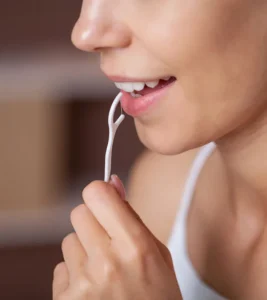
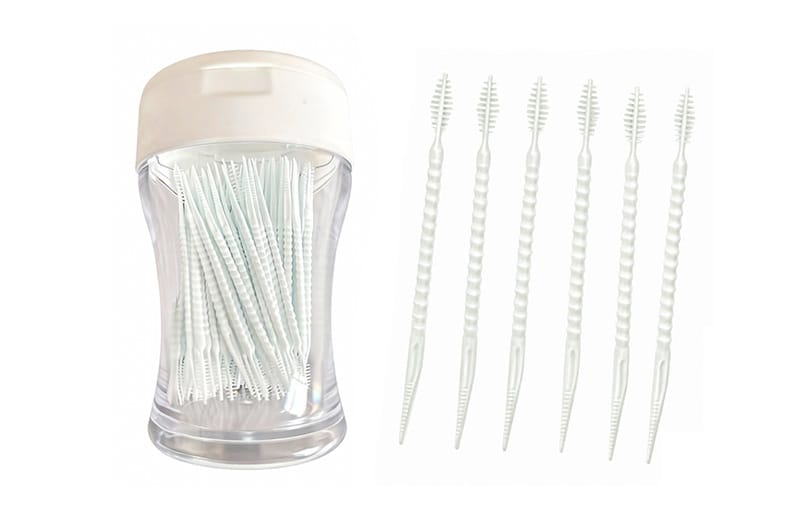
Aquí es donde el palillo dentista se ha vuelto cada vez más relevante. A diferencia de los palillos de madera tradicionales, los palillos de dientes modernos de grado dental están diseñados con un diseño ergonómico, polímeros de grado médico y flexibilidad segura para las encías, lo que los convierte en una alternativa práctica para la higiene bucal diaria.
De hecho, según un documento técnico mundial sobre cuidado bucal de 2024, se prevé que las herramientas de limpieza interdental (incluidos palillos, hilo dental y cepillos para dentistas) crezcan a un ritmo máximo 5.6% CAGR hasta 2030, impulsado por la creciente conciencia sobre la odontología preventiva y la demanda cosmética de salud bucal.
Tabla de contenido
¿qué es un palillo dentista? (Definición clínica y funcional)
Definición clínica de palillo dentista
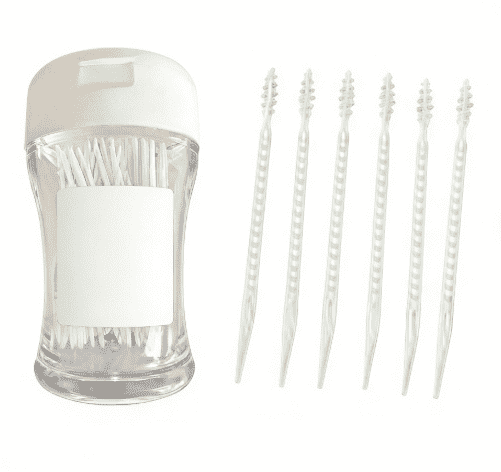
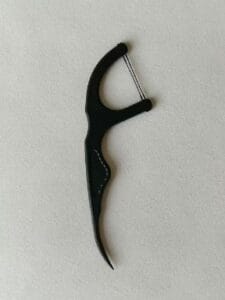
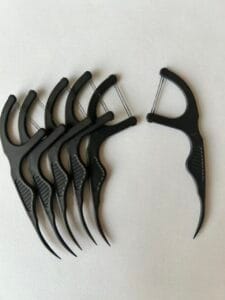
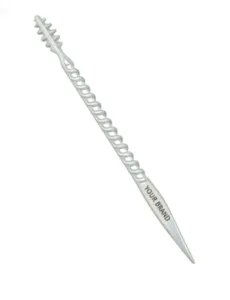
A palillo dentista es un instrumento de limpieza interdental diseñado para eliminar los restos de comida y alterar la biopelícula de placa entre las superficies de los dientes sin dañar el tejido de las encías.
A diferencia de los palillos de dientes convencionales, los productos de grado dentista siguen estrictos principios de diseño ergonómico y de seguridad para garantizar una aplicación controlada de presión y una abrasión reducida del esmalte.
Objetivos funcionales básicos
Un palillo de dentista cumple tres funciones principales de higiene dental:
- Eliminación mecánica de partículas de alimentos
- Alteración de la placa bacteriana entre los dientes
- Estimulación suave del tejido de las encías para mejorar la circulación sanguínea
Perspectiva científica
Los estudios clínicos en revistas periodontales muestran que las herramientas de limpieza interdental pueden reducir la acumulación de placa hasta 40-60% cuando se usa de manera consistente, reduciendo significativamente el riesgo de gingivitis.
Estándares de ingeniería y ciencia de materiales de palillos de dientes para dentistas
Sistemas de materiales de grado médico
Moderno palillo dentista los productos normalmente se fabrican usando:
- Plástico de calidad alimentaria de polipropileno (PP)
- Elastómero termoplástico (TPE)
- Polímeros blandos a base de silicona
- Núcleo de acero inoxidable con revestimiento protector
Estándares clave de seguridad
La mayoría de los palillos para dentistas de nivel profesional cumplen con:
- Normas de seguridad de contacto con alimentos de la FDA (EE. UU.)
- Reglamento UE no 10/2011 (materiales plásticos en contacto con alimentos)
- Pruebas de biocompatibilidad ISO 10993 (seguridad de dispositivos médicos)
- Certificación CE para herramientas de higiene dental
Comparación del rendimiento del material
| Tipo de material | Flexibilidad | Seguridad de las encías | Durabilidad | Nivel de costo | Caso de uso |
|---|---|---|---|---|---|
| Pp plástico | Alto | Alto | Medio | Bajo | Limpieza diaria |
| Silicona | Muy alto | Muy alto | Alto | Medio | Encías sensibles |
| Núcleo metálico | Bajo | Medio | Muy alto | Alto | Limpieza de precisión |
| Grado dental de madera | Medio | Medio | Bajo | Bajo | Uso ocasional |
Palillo de dientes dentista versus hilo dental versus cepillo interdental
Descripción general de la comparación funcional
| Característica | Palillo dentista | Hilo dental | Cepillo interdental |
|---|---|---|---|
| Facilidad de uso | Muy fácil | Moderado | Moderado |
| Eficiencia de limpieza | Medio | Alto | Muy alto |
| Comodidad para las encías | Alto | Medio | Medio |
| Portabilidad | Alto | Alto | Bajo |
| Curva de aprendizaje | Mínimo | Medio | Medio |
Diferencia conceptual
- Pico de dientes dentista: herramienta rápida de limpieza interdental a nivel de superficie
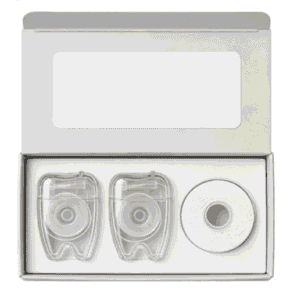
- Hilo dental: limpieza profunda entre puntos de contacto estrechos
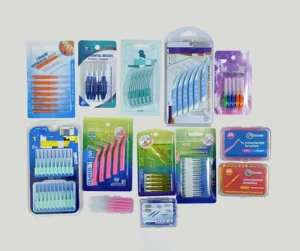
- Cepillo interdental: eliminación mecánica de placas para espacios más amplios
Perspectiva de recomendación clínica
Según las pautas de mantenimiento periodontal, los dentistas suelen recomendar al menos combinar dos métodos de limpieza interdental para obtener resultados óptimos de higiene bucal.
Proceso de fabricación de palillos dentistas (perspectiva industrial)
Paso 1: Preparación de Materia Prima
Se seleccionan y prueban polímeros o plásticos médicos de alta calidad para determinar su toxicidad y consistencia de flexibilidad.
Paso 2: Proceso de moldeo por inyección
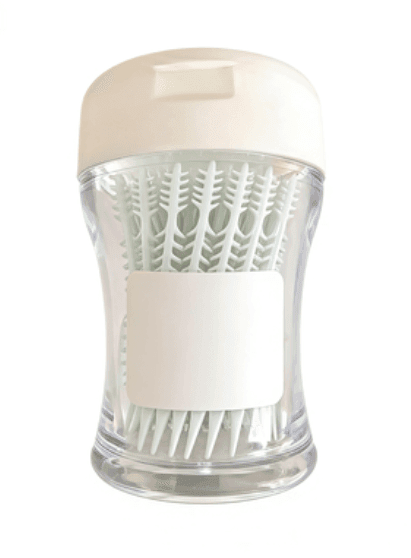
Los moldes de precisión dan forma al palillo en formas ergonómicas, asegurando una curvatura y suavidad constantes de la punta.
Paso 3: Acabado y pulido de superficies
Los bordes se alisan para eliminar las microabrasiones que podrían dañar el esmalte.
Paso 4: Proceso de esterilización
Muchos fabricantes aplican esterilización UV o tratamiento a alta temperatura antes del envasado.
Paso 5: Inspección de Calidad
Testele de lot garantiza:
- Cumplimiento de la resistencia a la tracción
- Consistencia de flexibilidad
- Control de contaminación microbiana
Escenarios de uso del palillo dentista en la vida diaria
Rutina de limpieza después de las comidas
La eliminación de restos de comida después de las comidas ayuda a prevenir la fermentación bacteriana y la formación de olores dentro de los 15 a 30 minutos posteriores a la comida.
Caso de uso de pacientes de ortodoncia
Los pacientes con aparatos ortopédicos suelen requerir atención especializada palillo dentista herramientas para limpiar alrededor de soportes y cables.
Viajes y atención bucal sobre la marcha
El embalaje compacto permite a los usuarios mantener la higiene bucal incluso sin acceso a cepillos de dientes.
Asistencia de cuidado bucal para personas mayores
Para usuarios con movilidad reducida de manos, ergonómico palillos dentistas proporciona un agarre más fácil y una limpieza más segura.
Tendencias del mercado global y datos de la industria
Estadísticas de Crecimiento del Mercado (2023-2025)
- Mercado mundial de limpieza interdental: $4.200 millones (estimación de 2024)
- Tasa de crecimiento esperada: 5-6% al año
- La región de Asia y el Pacífico representa ~38% de la demanda global
Cambio de comportamiento del consumidor
Una encuesta de higiene dental de 2025 reveló:
- 72% de los usuarios prefieren herramientas interdentales rápidas a hilo dental
- 61% prioriza la comodidad sobre la eficiencia de limpieza profunda
- 54% compra palillos de dientes de dentista al por mayor para uso diario
Análisis de seguridad del palillo dental dentista
Factores de riesgo
El uso inadecuado puede causar:
- Irritación de las encías
- Rascado de esmalte
- Sangrado menor en usuarios sensibles
Pautas de uso seguro
- Aplique una presión mínima
- No fuerces espacios reducidos
- Utilice movimiento en ángulo a lo largo de la línea de las encías
- Reemplace los tipos desechables con regularidad
Marco de decisión de compra de palillos dentistas
Paso 1: Identificar el nivel de sensibilidad de las encías
- Gomas sensibles → tipo silicona
- Encías normales → tipo plástico
- Fuertes espacios interdentales → combo cepillo + palillo
Paso 2: Defina la frecuencia de uso
- Usuarios diarios → Se recomienda silicona reutilizable
- Usuarios ocasionales → plástico desechable suficiente
Paso 3: Evaluar la certificación de seguridad
Siempre verifique:
- Aprobación de la FDA
- Certificación ISO
- Etiquetado sin BPA
Tabla comparativa de compra de palillos de dientes para dentistas (versión avanzada)
| Factor | Opción de presupuesto | Opción de rango medio | Opción Premium |
|---|---|---|---|
| Material | Pp plástico | Mezcla de silicona | Compuesto de grado médico |
| Vida útil | Corto | Medio | Largo |
| Comodidad para las encías | Medio | Alto | Muy alto |
| Eficiencia de limpieza | Medio | Alto | Alto |
| Usuario ideal | Usuarios ocasionales | Usuarios diarios | Encías sensibles/pacientes dentales |
Estudio de caso del mundo real: práctica de recomendación de clínicas dentales
Un estudio de caso clínico de 2023 de una asociación europea de higiene dental mostró:
- Los pacientes que usaban herramientas interdentales diariamente redujeron el sangrado gingival 45% en 6 semanas
- Los usuarios de palillos dentistas informaron un mayor cumplimiento en comparación con los usuarios de hilo dental debido a su facilidad de uso
- El uso combinado de palillo + hilo dental mostró la tasa de reducción de placa más alta (hasta 62%)
Estándares de la industria y conocimientos técnicos
Resumen de las pautas de la ADA
La Asociación Dental Estadounidense enfatiza:
- Limpieza interdental una vez al día mínimo
- Uso de herramientas no abrasivas
- Combinación de métodos de limpieza mecánica
Información sobre el informe de salud bucal de la OMS
La Organización Mundial de la Salud destaca que las enfermedades bucales no tratadas afectan casi 3.500 millones de personas en todo el mundo, haciendo que las herramientas preventivas sean como palillos dentistas cada vez más importante en las rutinas de cuidado diario.
Innovaciones emergentes en la tecnología de palillos dentistas
Diseño ergonómico inteligente
Los nuevos diseños incluyen:
- Revestimiento antideslizante
- Diseño de cabeza en ángulo para acceso molar
- Estructuras híbridas de múltiples puntas
Materiales ecológicos
Las tendencias sostenibles incluyen:
- Palillos de polímero biodegradables
- Sistemas de embalaje reciclables
- Materiales resinosos de origen vegetal
Integración de la atención bucal impulsada por IA (tendencia futura)
Algunas nuevas empresas de cuidado bucal están explorando sistemas de seguimiento interdental + cepillo de dientes inteligente para controlar los hábitos de limpieza.
Preguntas frecuentes
¿Cuál es la principal ventaja de a palillo dentista?
Proporciona una limpieza interdental rápida y sencilla con menos molestias en comparación con el hilo dental tradicional.
¿es seguro el palillo de dientes para el dentista para el uso diario?
Sí, cuando se usa correctamente y está hecho de materiales certificados, es seguro para la higiene bucal diaria.
¿puede el palillo del dentista reemplazar completamente el hilo dental?
No, los dentistas recomiendan combinar ambos para obtener resultados óptimos en el cuidado bucal.
¿con qué frecuencia debo utilizar el palillo de dientes del dentista?
Una o dos veces al día, preferiblemente después de las comidas.
¿qué tipo es mejor para principiantes?
Se recomiendan palillos de dientes para dentistas de plástico blando o silicona para usuarios primerizos.
Conclusión
El palillo dentista ya no es sólo una herramienta complementaria para el cuidado bucal, sino que se está convirtiendo en un componente principal de los sistemas modernos de higiene dental. Su simplicidad, mejoras de seguridad y diseño ergonómico lo hacen especialmente adecuado para usuarios que buscan una limpieza interdental rápida y eficaz.
Con una mayor conciencia sobre la salud bucal, crecientes recomendaciones clínicas y una innovación continua en la tecnología de atención dental, se espera que los palillos para dentistas sigan siendo una categoría de fuerte crecimiento en el mercado mundial de higiene bucal.
Para los consumidores, la conclusión clave es clara: seleccionar el palillo de dentista adecuado no se trata sólo de comodidad: se trata de salud de las encías a largo plazo, atención preventiva y mejora de la calidad de vida.
¡Mantente conectado! 🌟
¡Gracias por leer! Si te gustó este artículo, no olvides que puedes seguirme en redes sociales para más información, novedades y contenido entre bastidores:
Facebook – Únete a la conversación y obtén las últimas actualizaciones.
YouTube – Vea tutoriales, demostraciones y guías detalladas
Instagram – Vea consejos, elementos visuales e inspiración diaria.
Sigamos aprendiendo y creciendo juntos: ¡mantengámonos conectados y nunca nos perdamos nada!