Table of Contents
Introduction
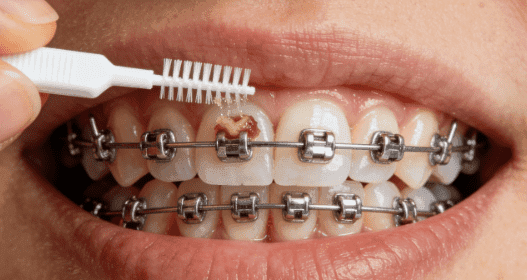
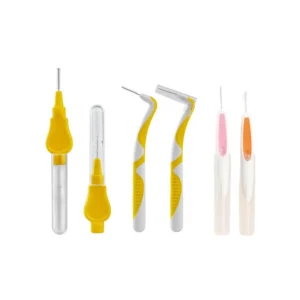
Maintaining a bright, healthy smile while wearing braces is more than just brushing twice a day. Food particles, plaque, and bacteria can accumulate around brackets and wires, creating hotspots for cavities and gum inflammation. Traditional toothbrushes often fail to reach these tight spaces, making a braces interdental brush an indispensable tool for orthodontic patients.
According to the American Dental Association (ADA), using interdental brushes alongside routine brushing and flossing reduces plaque buildup by up to 40% in patients with fixed orthodontic appliances. However, many patients overlook a crucial aspect: the replacement schedule for these brushes. Using worn or ineffective brushes can compromise oral hygiene, while replacing them too frequently may be wasteful.
In this comprehensive guide, we explore everything you need to know about braces interdental brush replacement, including signs of wear, lifespan factors, practical recommendations, professional insights, and evidence-based practices.
Understanding the Lifespan of a Braces Interdental Brush
Why Replacement Matters
A worn braces interdental brush can no longer reach between brackets and wires effectively. Research published in the Journal of Clinical Orthodontics shows that frayed brushes can reduce plaque removal efficiency by 20–30%, increasing the risk of gingivitis and white spot lesions during orthodontic treatment.
Regular replacement is not just about hygiene; it’s about preventing costly dental complications. Proper care ensures that the brush maintains its shape, bristle alignment, and cleaning effectiveness, prolonging the health of both teeth and gums.
Factors Influencing Brush Lifespan
- Frequency of Use: Patients brushing after every meal naturally wear out bristles faster. Multiple times per day may necessitate a replacement every 1–2 weeks.
- Type of Braces: Complex orthodontic setups or self-ligating braces require more precise brushing, causing faster bristle degradation.
- Brush Quality: Premium brushes with reinforced cores last longer than standard options.
- Oral Health Conditions: Patients with high plaque accumulation or acidic saliva may see accelerated brush wear.
Signs That You Need to Replace Your Braces Interdental Brush
Frayed Bristles
Frayed bristles cannot effectively remove food debris and plaque. The ADA recommends replacing brushes when bristles appear splayed or bent.
Discoloration or Odor
A braces interdental brush showing significant staining or a musty smell may harbor bacteria. Replacing the brush promptly helps prevent oral infections.
Reduced Cleaning Performance
If debris remains after cleaning sessions, it is a clear sign the brush is no longer effective.
Structural Damage
Cracked or warped cores, broken bristles, or bent handles indicate the brush is unsafe to use.
Professional Insight
Dr. Jessica Li, a certified orthodontist, notes: “Many patients underestimate how quickly interdental brushes wear out. A weekly check of bristle condition can prevent plaque accumulation and maintain gum health throughout orthodontic treatment.”
Table: Recommended Replacement Intervals for Braces Interdental Brush
| Usage Frequency | Brush Quality | Average Lifespan | Replacement Recommendation | Notes |
|---|---|---|---|---|
| Daily, after every meal | High-quality | 2–3 weeks | Replace every 2 weeks | Bristles maintain shape; effective cleaning |
| Daily, after every meal | Standard | 1–2 weeks | Replace weekly | Fraying may occur sooner |
| 1–2 times per day | High-quality | 3–4 weeks | Replace every 3 weeks | Adequate for light users |
| 1–2 times per day | Standard | 2–3 weeks | Replace every 2 weeks | Monitor for wear or discoloration |
| Occasional use | Any | 4–6 weeks | Replace monthly | Inspect for cleanliness and bristle shape |
This table provides evidence-based guidance for various usage patterns, helping patients maintain optimal hygiene without unnecessary waste.
Proper Care to Maximize Brush Effectiveness
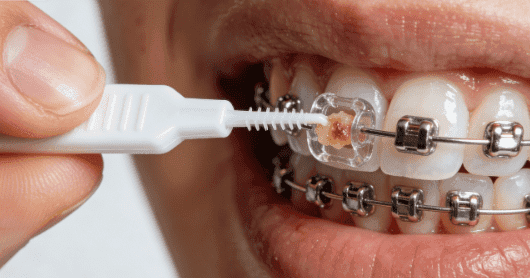
Rinse and Shake
Rinse thoroughly under running water to remove trapped debris. Shake out excess water to prevent bacterial growth.
Air Dry
Store brushes upright in a well-ventilated holder. Avoid closed containers while wet to minimize microbial contamination.
Avoid Excessive Force
Gentle back-and-forth motion prevents premature fraying and protects gums from injury.
Rotate Brushes
High-frequency users can rotate 2–3 brushes to allow complete drying and even wear.
Storage Tips
Keep brushes separate from other toothbrushes or sharp objects to maintain hygiene and prevent damage.
Common Mistakes That Reduce Brush Lifespan
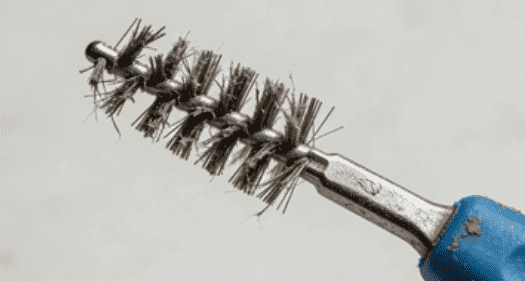
Using a braces interdental brush correctly is not just about brushing technique—how you maintain and replace the brush dramatically affects its effectiveness. Many patients unknowingly make errors that shorten brush lifespan and compromise oral hygiene.
Overusing Worn Brushes
Continuing to use frayed or bent brushes significantly reduces cleaning efficiency. Worn bristles cannot reach tight spaces between brackets and wires, leaving food debris and plaque behind. This can result in:
- Increased risk of gingivitis and periodontal inflammation
- Accumulation of plaque leading to white spot lesions
- Potential irritation or micro-tears on sensitive gum tissue
Professional recommendation: Inspect the brush before each use and replace immediately if bristles are splayed or bent. Regular replacement ensures consistent cleaning and prevents gum injury.
Ignoring Visible Damage
Visible damage such as discoloration, bending, fraying, or unpleasant odor is a clear indicator that the brush has surpassed its effective lifespan. Ignoring these signs can result in:
- Bacterial growth on the brush, increasing the risk of infection
- Reduced plaque removal efficiency, leaving your orthodontic appliances vulnerable to decay
- Compromised oral hygiene despite frequent brushing
Practical tip: Set a visual check routine—look at bristle alignment, check for bent wires, and smell the brush. Any sign of wear warrants replacement.
Incorrect Size Selection
Choosing the wrong size for your braces interdental brush can accelerate wear and reduce effectiveness. Common issues include:
- Brushes that are too large may bend excessively under pressure, fraying faster
- Brushes that are too small may not adequately contact plaque or reach tight spaces
- Uneven wear along the bristles due to improper fit
Solution: Select a brush that fits snugly between your brackets without forcing it, allowing smooth movement for efficient cleaning. Orthodontists often recommend having multiple sizes on hand for different sections of the mouth.
Sharing Brushes
Sharing interdental brushes between family members or friends is highly discouraged. Cross-contamination can spread bacteria, viruses, and fungal infections. Specific risks include:
- Transmission of gingivitis or periodontitis-causing bacteria
- Increased likelihood of oral infections or cold sores
- Reduced hygiene effectiveness for both users
Best practice: Each patient should have individual brushes and store them separately in clean holders.
Excessive Pressure During Use
Applying too much force while brushing can damage bristles prematurely, warp the brush core, and irritate gums. Signs of excessive pressure include:
- Flattened or bent bristles after a few uses
- Bleeding or soreness in the gum tissue
- Decreased brush lifespan despite proper replacement intervals
Tip: Use gentle back-and-forth motions and allow the bristle to reach crevices naturally. The goal is to dislodge plaque without causing trauma.
Evidence-Based Insights
- According to a 2021 study in Orthodontics & Craniofacial Research, patients using fresh interdental brushes demonstrated 25% fewer signs of gingival inflammation compared to those using worn brushes, highlighting the importance of timely replacement.
- The European Federation of Periodontology (EFP) recommends replacing interdental brushes every 2–4 weeks, with frequency adjusted based on usage intensity, oral health condition, and bristle wear.
- Clinical studies indicate that using improperly sized or frayed brushes not only reduces plaque removal efficiency but also increases the risk of enamel demineralization around brackets, which can complicate orthodontic treatment outcomes.
Best Practices to Extend Brush Life
While timely replacement is essential, certain practices can help maximize brush lifespan without compromising hygiene:
- Rotate Multiple Brushes: Have 2–3 brushes in rotation to allow complete drying and even wear.
- Proper Cleaning and Storage: Rinse thoroughly, air-dry upright, and store in a ventilated holder to minimize bacterial growth.
- Avoid Submersion in Water: Prolonged soaking can weaken the brush wire or bristle adhesion.
- Use Correct Brushing Technique: Gentle motion and avoiding over-scrubbing prevent premature fraying.
- Inspect Regularly: Weekly inspection ensures early detection of wear, discoloration, or damage.
Following these strategies ensures that your braces interdental brush remains effective throughout its recommended lifespan, providing optimal plaque removal and protecting gum health during orthodontic treatment.
Additional Tips for Braces Wearers
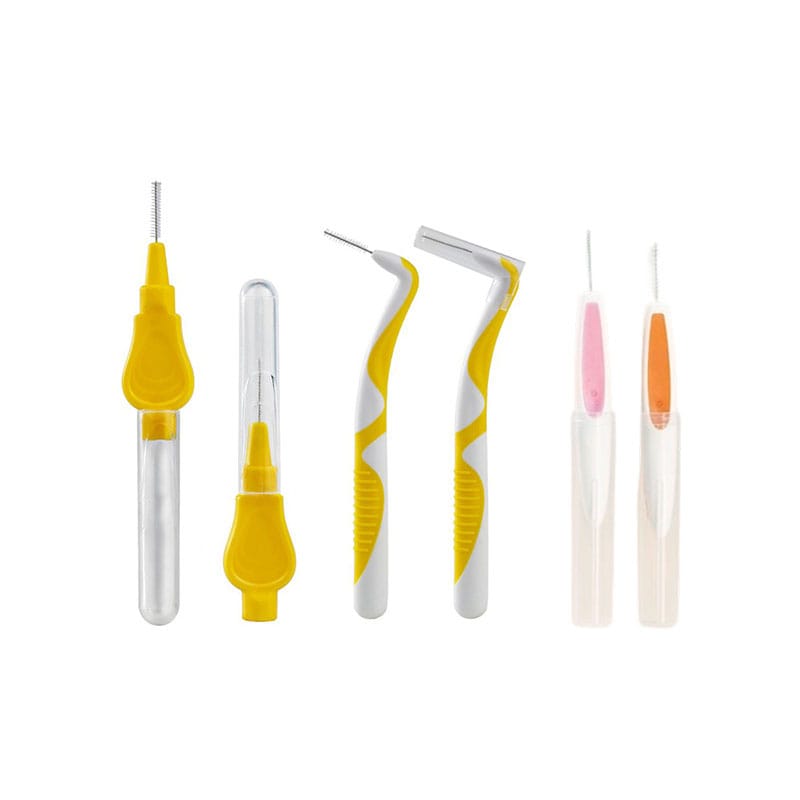
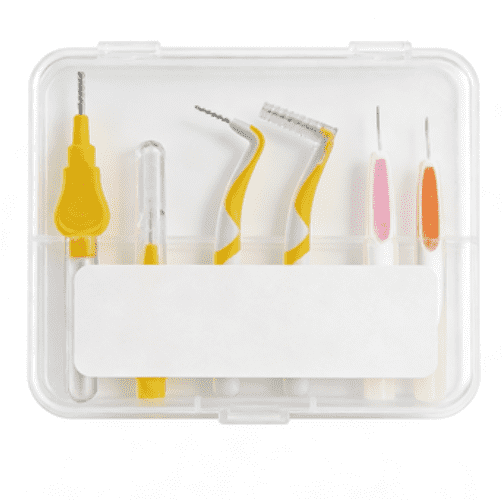
Combine With Regular Brushing and Flossing
Using a braces interdental brush complements toothbrushes and floss, improving plaque control around brackets and wires.
Fluoride Mouthwash
Rinsing with fluoride mouthwash helps strengthen enamel and reduce cavity risk, especially in areas that brushes cannot fully reach.
Dental Visits
Regular orthodontic check-ups allow professionals to assess oral hygiene effectiveness and recommend brush replacement intervals personalized to the patient.
Dietary Considerations
Limiting sticky or sugary foods reduces debris accumulation between brackets, extending brush effectiveness and reducing replacement frequency.
Conclusion
Proper use and timely replacement of a braces interdental brush are vital for maintaining optimal oral hygiene during orthodontic treatment. Key points:
- Inspect bristles for fraying, bending, discoloration, or odor
- Consider usage frequency, brace type, and brush quality
- Follow replacement guidelines based on table recommendations
- Practice proper cleaning, drying, and storage methods
- Combine with flossing, mouthwash, and regular dental visits
Adhering to these guidelines ensures effective plaque removal, reduces the risk of cavities, and protects gum health throughout the orthodontic journey.
FAQ
Q1: How often should I replace my braces interdental brush if I clean after every meal?
A1: High-quality brushes: every 2 weeks; standard brushes: weekly.
Q2: Can I extend the life of a braces interdental brush?
A2: Yes. Proper rinsing, air drying, gentle brushing, and rotating multiple brushes can prolong lifespan.
Q3: Is it harmful to use a frayed interdental brush?
A3: Yes. Frayed brushes reduce cleaning efficiency, may irritate gums, and leave plaque behind.
Q4: How do I choose the right size for a braces interdental brush?
A4: Select a brush that fits snugly between brackets and wires without forcing it.
Q5: Can I reuse a brush for more than a month?
A5: No. Beyond recommended intervals, bacterial buildup increases, and cleaning efficiency drops.
Q6: Are there specific brands or materials recommended by professionals?
A6: Stainless steel or coated wire brushes with nylon bristles are widely recommended for durability and hygiene. Professional guidance may vary depending on patient needs.
Q7: Does brush replacement affect orthodontic treatment outcomes?
A7: Yes. Consistent use of an effective brush helps prevent cavities and gum disease, which can interfere with treatment progress.
Stay Connected! 🌟
Thanks for reading! If you enjoyed this article, don’t forget you can follow me on social media for more insights, updates, and behind-the-scenes content:
Facebook – Join the conversation and get the latest updates
YouTube – Watch tutorials, demos, and in-depth guides
Instagram – See tips, visuals, and daily inspiration
Let’s continue learning and growing together—stay connected and never miss a beat!