Introduction
Oral health professionals around the world increasingly emphasize that cleaning between teeth is just as important as brushing the tooth surface. In fact, studies from global dental associations show that nearly 35–40% of plaque accumulates in interdental spaces, areas that a regular toothbrush simply cannot reach. This hidden plaque buildup is one of the main causes of gum inflammation, tooth decay between teeth, and periodontal disease.
In recent years, interdental brushes have become one of the most recommended tools for daily oral hygiene. Compared with traditional floss, they provide mechanical cleaning through soft bristles, allowing them to remove plaque more efficiently in many situations. However, their effectiveness depends heavily on choosing the correct size.
Understanding interdental brushes sizes is therefore critical for both dental professionals and everyday users. A brush that is too small may fail to clean properly, while a brush that is too large may irritate the gums or damage delicate tissues. Because tooth spacing varies widely among individuals—and even between different teeth in the same mouth—selecting the right brush size requires knowledge of dental anatomy, material design, and hygiene techniques.
This comprehensive guide explores how interdental brush sizes work, how they differ across manufacturers, and how individuals in different age groups and regions choose the most suitable options. By the end of this article, readers will gain a clear understanding of how to select and use interdental brushes effectively for long-term oral health.
Table of Contents
Understanding Interdental Brushes Sizes
What Are Interdental Brushes?
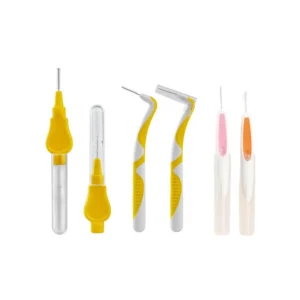
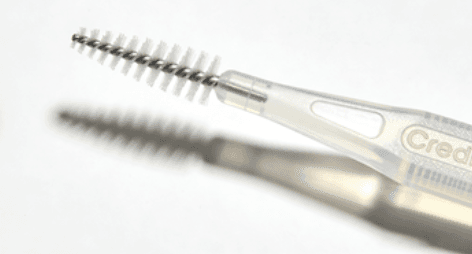
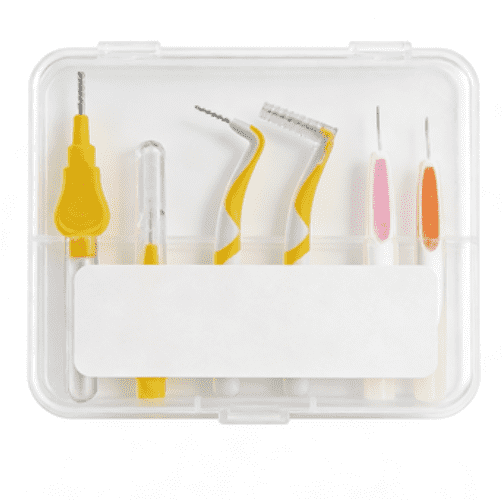
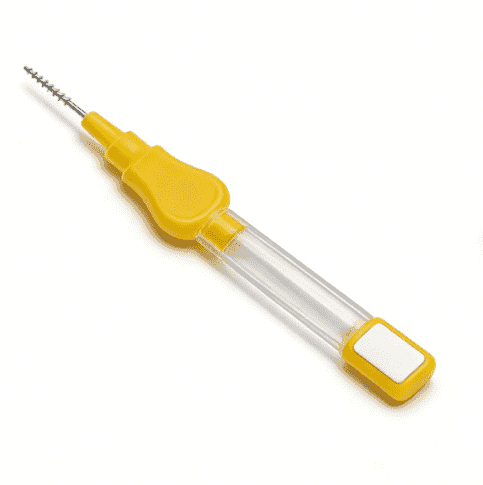
Interdental brushes are small cylindrical or conical brushes designed to clean the narrow spaces between teeth. Each brush typically consists of a thin metal wire core surrounded by soft nylon bristles, attached to a plastic handle for easy control.
Unlike traditional toothbrushes that clean exposed surfaces, interdental brushes are specifically engineered to reach plaque deposits between teeth and along the gumline. These areas are particularly prone to bacterial growth because food particles and plaque can remain trapped there for long periods.
Dentists often recommend interdental brushes for patients who have:
- Moderate or large spaces between teeth
- Orthodontic appliances such as braces
- Dental implants or bridges
- Early stages of gum disease
When used correctly, they can significantly improve plaque removal and reduce gum inflammation.
Why Interdental Brushes Sizes Matter
The concept of interdental brushes sizes is based on the idea that every interdental space has a unique width. Some spaces are extremely tight, especially between front teeth, while others—such as those around molars—may be much wider.
Selecting the correct brush size ensures that the bristles gently contact the tooth surfaces during cleaning. This contact is essential for removing plaque effectively. If the brush diameter is too small, the bristles may not reach the tooth surfaces properly. If the brush is too large, forcing it through the gap may cause discomfort or gum injury.
For this reason, dentists often recommend using multiple brush sizes to clean different parts of the mouth.
How Manufacturers Standardize Brush Sizes
Different manufacturers label brush sizes differently, but many follow the ISO (International Organization for Standardization) classification system for interdental brushes.
The ISO standard measures the diameter of the smallest space a brush can fit into without deforming. This allows users to compare sizes across brands even if color coding varies.
For example, ISO sizes typically range from 0.4 mm to 2.0 mm, covering most interdental spacing scenarios.
Interdental Brushes Sizes Chart
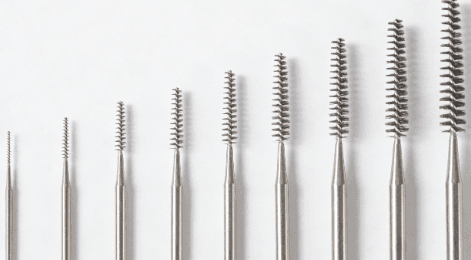
The following table illustrates common brush sizes and their typical applications.
| ISO Size | Diameter (mm) | Typical Color Code | Recommended Use |
|---|---|---|---|
| ISO 0 | 0.4 mm | Pink | Extremely tight spaces |
| ISO 1 | 0.45 mm | Orange | Small gaps between front teeth |
| ISO 2 | 0.6 mm | Red | Moderate interdental spaces |
| ISO 3 | 0.7 mm | Blue | Slightly wider gaps |
| ISO 4 | 0.8 mm | Yellow | Areas around molars |
| ISO 5 | 1.0 mm | Green | Bridges and larger spaces |
| ISO 6 | 1.2 mm | Purple | Implants or periodontal gaps |
These values vary slightly between brands, but they provide a useful guideline for selecting appropriate brush sizes.
The Science Behind Interdental Cleaning
Plaque Formation in Interdental Spaces
Dental plaque is a sticky biofilm composed of bacteria, saliva proteins, and food debris. When plaque accumulates between teeth, it can quickly lead to inflammation of the surrounding gum tissue.
Research shows that plaque bacteria in interdental areas can multiply rapidly because these spaces are low-oxygen environments that favor the growth of anaerobic bacteria.
Without proper cleaning, this bacterial buildup may lead to:
- Gingivitis
- Periodontal disease
- Interproximal cavities
Interdental brushes disrupt this biofilm mechanically, reducing bacterial accumulation.
Mechanical Cleaning vs Chemical Cleaning
Mouthwash and toothpaste contain antimicrobial agents that help reduce bacteria, but they cannot physically remove plaque deposits.
Interdental brushes work through mechanical disruption, meaning their bristles physically break apart plaque layers attached to tooth surfaces. This method is considered one of the most effective ways to prevent gum disease.
Global Trends in Interdental Brush Usage
Europe
In many European countries, particularly Sweden, Germany, and Switzerland, interdental brushes are widely recommended as a primary interdental cleaning tool.
Studies conducted in Scandinavian countries show that over 60% of adults regularly use interdental brushes, often replacing traditional floss.
North America
In the United States and Canada, dental floss has historically been the most common interdental cleaning method. However, dentists increasingly recommend interdental brushes for patients with periodontal conditions or orthodontic appliances.
Market reports suggest that the North American interdental brush market is growing at over 7% annually due to increasing awareness of preventive dentistry.
Asia
In countries like Japan and South Korea, interdental brushes are commonly used among older adults. As populations age, larger interdental gaps become more common due to gum recession.
As a result, dental hygiene campaigns in these regions often emphasize selecting the correct interdental brushes sizes for elderly populations.
Interdental Brushes Sizes for Different Age Groups
Children and Teenagers
Children usually have tight interdental contacts, so floss may be sufficient for many cases. However, teenagers with braces often benefit from interdental brushes because they can reach areas around brackets and wires.
Smaller brush sizes are typically recommended to avoid irritation.
Adults
Adults often experience minor gum recession over time, which can increase the size of interdental spaces. As a result, many adults benefit from using multiple brush sizes for different areas of the mouth.
Regular interdental cleaning significantly reduces plaque accumulation and gingivitis risk.
Seniors
Older adults frequently experience more pronounced gum recession, creating larger interdental gaps. Larger brush sizes are often required to clean these spaces effectively.
For seniors with limited dexterity, ergonomic handles and angled brush designs can improve usability.
Material Design and Brush Structure
Wire Core Construction
The central wire of an interdental brush provides structural support for the bristles. Most wires are made from stainless steel and coated with plastic to protect tooth surfaces.
A flexible wire allows the brush to adapt to the natural curvature of interdental spaces.
Bristle Density and Shape
Bristles are typically made from nylon and arranged in a spiral pattern around the wire core. The density and length of these bristles influence cleaning performance.
Higher bristle density often improves plaque removal, while softer bristles reduce the risk of gum irritation.
Handle Ergonomics
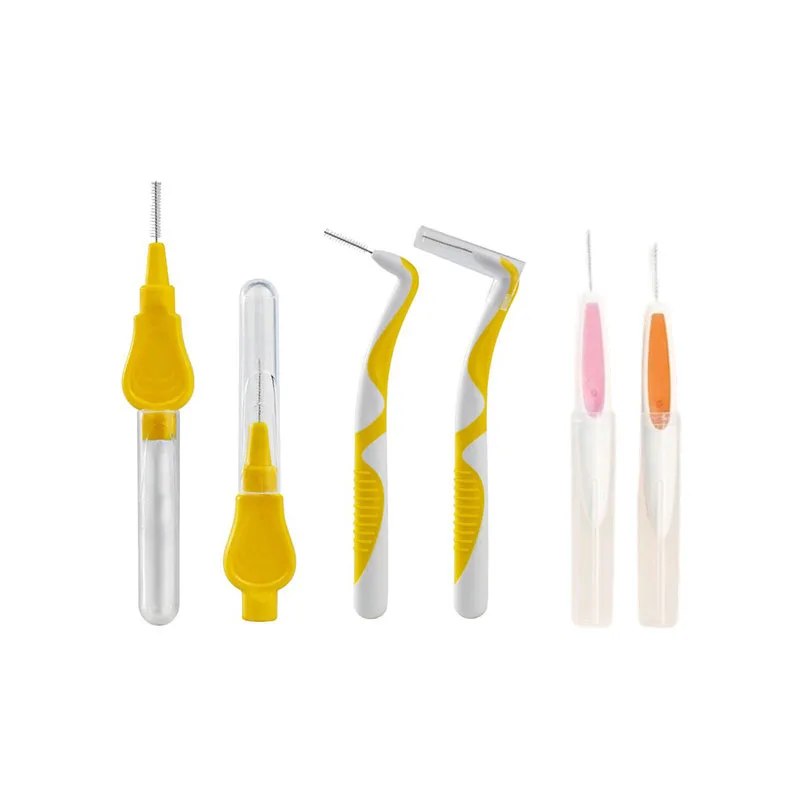
Modern interdental brushes feature ergonomic handles designed for better grip and control. Some models include angled necks that allow easier access to molars.
Comfortable handling encourages regular use and improves cleaning efficiency.
Comparing Interdental Brushes With Other Cleaning Tools
Interdental Brushes vs Dental Floss
Dental floss works best for extremely tight spaces between teeth. However, it relies on a sliding motion rather than a scrubbing action.
Interdental brushes provide more direct mechanical cleaning, especially in spaces larger than 0.5 mm.
Interdental Brushes vs Water Flossers
Water flossers use pressurized water streams to flush debris from interdental spaces. While they can help remove food particles, they may not fully remove plaque attached to tooth surfaces.
Combining interdental brushes with water flossers can provide a more comprehensive cleaning routine.
Clinical Benefits of Correct Interdental Brush Sizes
Studies published in dental journals have shown that properly sized interdental brushes can:
- Reduce plaque levels by up to 40%
- Decrease gingival bleeding by 30–35%
- Improve periodontal health after only 4 weeks of regular use
These benefits highlight the importance of selecting the correct brush diameter for each interdental space.
Real-World Case Example
A dental clinic in Germany conducted a study involving 120 patients with moderate gingivitis. Participants were divided into two groups:
Group A used traditional floss
Group B used interdental brushes matched to their interdental space sizes
After eight weeks, the interdental brush group showed:
- 32% lower plaque levels
- 29% less gum bleeding
- Higher patient satisfaction due to easier use
This study demonstrates how proper interdental brushes sizes improve both clinical outcomes and user compliance.
Future Trends in Interdental Brush Technology
Smart Oral Hygiene Devices
Some oral care companies are developing smart interdental brushes equipped with pressure sensors that help users avoid applying excessive force.
Sustainable Materials
Eco-friendly interdental brushes made from biodegradable materials are becoming more popular as consumers seek sustainable dental products.
Personalized Dental Care
Digital dental scanning technology may soon allow dentists to recommend personalized interdental brush sizes based on detailed 3D scans of a patient’s teeth.
Conclusion
Understanding interdental brushes sizes is essential for achieving effective interdental cleaning and maintaining long-term oral health. Because tooth spacing varies widely among individuals and even between different teeth, selecting the correct brush diameter ensures optimal plaque removal while protecting sensitive gum tissue.
From scientific research and global dental trends to practical usage techniques, interdental brushes have proven to be one of the most effective tools for maintaining oral hygiene. By choosing the right size, using proper technique, and incorporating interdental cleaning into a daily routine, individuals can significantly reduce the risk of cavities, gum disease, and other oral health problems.
As preventive dentistry continues to evolve, interdental brushes are expected to play an increasingly important role in modern oral care practices around the world.
FAQ
How do I determine the correct interdental brush size?
Dentists typically use measuring probes to evaluate interdental spaces. Based on these measurements, they recommend brush sizes that fit comfortably without forcing.
Can I use one brush size for all teeth?
Most people require multiple brush sizes because spacing varies throughout the mouth.
Are interdental brushes better than floss?
For larger spaces, interdental brushes often remove more plaque than floss. However, floss may still be useful for very tight contacts.
How often should interdental brushes be replaced?
Brushes should be replaced every one to two weeks, or when the bristles become bent or worn.
Do interdental brushes help prevent gum disease?
Yes. Regular interdental cleaning significantly reduces plaque accumulation, which helps prevent gingivitis and periodontal disease.
Stay Connected! 🌟
Thanks for reading! If you enjoyed this article, don’t forget you can follow me on social media for more insights, updates, and behind-the-scenes content:
Facebook – Join the conversation and get the latest updates
YouTube – Watch tutorials, demos, and in-depth guides
Instagram – See tips, visuals, and daily inspiration
Let’s continue learning and growing together—stay connected and never miss a beat!