Índice
Introdução
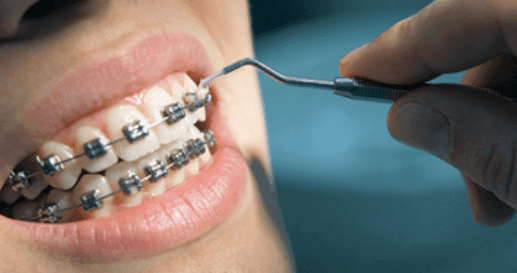
Para qualquer pessoa submetida a tratamento ortodôntico, manter os dentes limpos pode parecer uma batalha constante As escovas de dentes tradicionais são muitas vezes ineficazes para alcançar os pequenos espaços em torno de braquetes, fios e faixas Os restos de alimentos e a placa bacteriana podem se acumular, levando a cáries, inflamação gengival e até problemas dentários de longo prazo. Escovas interdentais para aparelhos ortodônticos são projetados para enfrentar esses problemas de frente Essas ferramentas pequenas, mas poderosas, podem alcançar áreas que uma escova de dentes não pode, proporcionando limpeza superior, promovendo gengivas mais saudáveis e prevenindo complicações dentárias durante todo o processo ortodôntico De acordo com a American Dental Association (ADA), a limpeza interdental regular reduz o risco de gengivite em até 601TP3 T em pacientes com aparelho ortodôntico, destacando sua importância como parte de uma rotina abrangente de cuidados bucais.
Compreendendo escovas interdentais para aparelhos ortodônt
O que são escovas interdentais para aparelhos?
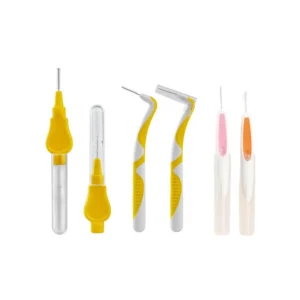
Escovas interdentais para aparelhos ortodônticos são ferramentas de limpeza especializadas com um fio fino e flexível coberto de cerdas Seu design exclusivo permite que eles alcancem áreas que as escovas de dente regulares não conseguem, como os espaços entre braquetes, fios e dentes Essas escovas ajudam a remover placa bacteriana, partículas de alimentos e bactérias, que são causas comuns de cáries e inflamação gengival durante o tratamento ortodôntico De acordo com o Journal of Clinical Orthodontics, pacientes que usam consistentemente escovas interdentais mostram acúmulo de placa significativamente menor em comparação com aqueles que usam apenas escovas de dente, demonstrando sua eficácia.
Como as escovas interdentais diferem do fio dental
O fio dental tradicional pode ser difícil de manobrar em torno de aparelhos, tornando-o menos eficaz para uma limpeza completa As escovas interdentais para aparelhos deslizam facilmente sob fios e entre suportes, permitindo a remoção precisa da placa Ao contrário do fio dental, que requer rosqueamento e manuseio cuidadoso, essas escovas são mais rápidas e simples de usar, especialmente para pacientes mais jovens ou com aparelhos ortodônticos complexos.
Tipos de escovas interdentais para aparelhos ortodônticos
As escovas interdentais vêm em uma variedade de tipos e tamanhos, cada um projetado para necessidades específicas:
Escovas Cilíndricas Pequenas
Ideal para adolescentes e adultos com lacunas estreitas, essas escovas proporcionam alta flexibilidade e fácil manobrabilidade em torno de aparelhos padrão.
Escovas Cilíndricas Médias
Adequados para suportes de metal ou cerâmica, são eficazes para limpeza regular de espaços moderados entre suportes.
Escovas afiladas
Projetadas para aparelhos autoligáveis ou espaços apertados, as escovas cônicas alcançam áreas que de outra forma seriam difíceis de limpar.
Escovas de cerdas macias
Perfeito para gengivas sensíveis, essas escovas proporcionam uma limpeza suave enquanto estimulam o tecido gengival para melhorar a circulação sanguínea.
Escovas Angulares
Ideal para configurações complexas de fios, as escovas angulares alcançam áreas difíceis de limpar de forma eficiente, garantindo a remoção completa da placa.
Escolhendo o tamanho certo
Selecionar o tamanho apropriado da escova é crucial Uma escova que é muito pequena pode não remover a placa de forma eficaz, enquanto uma escova que é muito grande pode danificar braquetes ou gengivas irritadas Muitas marcas fornecem alças codificadas por cores ou indicadores de tamanho para simplificar a seleção A American Dental Association enfatiza que combinar o tamanho da escova com a lacuna entre dentes e braquetes é essencial para uma higiene bucal ideal.
Benefícios da seleção adequada do pincel
A utilização do pincel correcto assegura:
- Remoção máxima da placa
- Risco reduzido de inflamação das gengivas
- Prevenção da desmineralização do esmalte
- Melhor conforto durante a limpeza
Estudos mostram que pacientes ortodônticos que usam o tamanho correto da escova experimentam até 501TP3 T menos lesões de manchas brancas em comparação com aqueles que usam escovas mal ajustadas.
Remoção aprimorada de placas com escovas interdentais para aparelhos ortodônticos
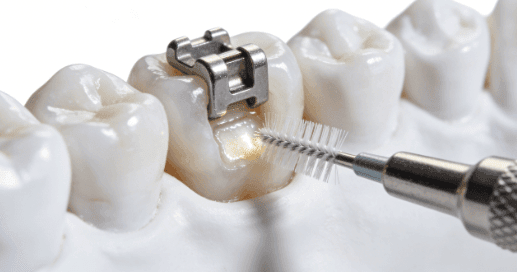
Por que o acúmulo de placas é um problema
Placa é um biofilme pegajoso composto por bactérias que produzem ácidos capazes de erodir o esmalte Em pacientes de aparelho ortodôntico, a placa geralmente se acumula em torno de braquetes e sob fios, áreas que são difíceis de alcançar com uma escova de dentes Se não tratada, a placa pode levar a cáries, doenças gengivais e até danos permanentes no esmalte.
Como os Pincéis Interdentais ajudam
Escovas interdentais permitem que os usuários limpem essas áreas de forma eficiente Uma pesquisa do International Journal of Dental Hygiene mostra que os pacientes que usam escovas interdentais duas vezes ao dia reduziram os níveis de placa em 35 51TP3 T dentro de um mês Seu design permite a limpeza completa de pontos de difícil acesso sem causar danos aos aparelhos.
Evidências clínicas que apoiam a eficácia
Um estudo clínico de 2020 envolvendo 150 pacientes ortodônticos descobriu que aqueles que usavam escovas interdentais para aparelhos ortodônticos tinham escores de placa significativamente mais baixos e gengivas mais saudáveis em comparação com um grupo controle que usava apenas escovas de dente padrão. Esta evidência confirma que as escovas interdentais são essenciais para manter a higiene bucal durante o tratamento ortodôntico.
Melhoria da saúde gengival usando escovas interdentais para aparelhos ortodônticos
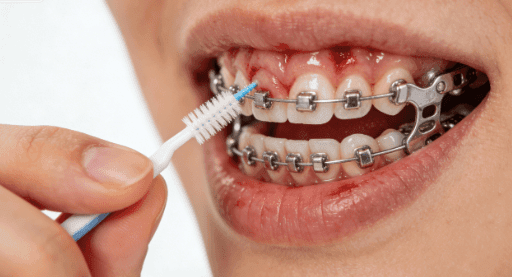
Prevenção da Gengivite e Sangramento Gengival
Inflamação e sangramento gengival são comuns em pacientes com aparelho ortodôntico devido a partículas de alimentos aprisionadas As escovas interdentais massagem suavemente as gengivas enquanto removem detritos, promovendo melhor circulação sanguínea e reduzindo a inflamação.
Técnicas recomendadas para a saúde gengival
A ADA recomenda inserir a escova em um ângulo de 45 graus em direção à linha da gengiva para uma limpeza ideal A rotação leve da escova à medida que ela passa entre os dentes garante que tanto a linha da gengiva quanto a área do suporte sejam limpas de forma eficaz.
Opiniões de especialistas
A Dra. Laura Simmons, ortodontista radicada em Nova York, enfatiza: “Os pacientes que incorporam escovas interdentais em sua rotina diária experimentam consistentemente gengivas mais saudáveis e menos complicações ortodônticas É uma das ferramentas mais simples, porém mais eficazes, disponíveis para o cuidado de aparelho de segurança”
Prevenção de Cárie Dentária e Manchas Brancas
Compreendendo as lesões da mancha branca
Manchas brancas são indicadores precoces de desmineralização do esmalte causada pelo acúmulo prolongado de placa ao redor dos aparelhos Sem intervenção, essas manchas podem progredir para cavidades e danos permanentes ao esmalte.
Papel das escovas interdentais
Escovas interdentais para aparelhos ortodônticos remova a placa de forma eficaz antes que ela cause desmineralização do esmalte Um estudo de 2019 publicado no European Journal of Orthodontics descobriu que os pacientes que usam escovas interdentais tinham 501TP3 T menos lesões de manchas brancas do que aqueles que dependem apenas de escovas de dente.
Combinando com produtos fluoretados
Para uma prevenção aprimorada, os ortodontistas recomendam o uso de creme dental com flúor ou enxágues junto com escovas interdentais O flúor fortalece o esmalte e reduz o risco de formação de cavidades, complementando a limpeza mecânica fornecida pelas escovas.
Mantendo a respiração fresca
Causas de mau hálito com aparelho ortodôntico
Os aparelhos ortodônticos podem reter alimentos e bactérias em áreas difíceis de limpar, levando à halitose.
Como os pincéis interdentais melhoram a respiração
O uso diário de escovas interdentais para aparelhos ortodônticos remove os detritos causadores de odor de forma eficaz Um estudo do Journal of Dental Research relata que os pacientes que usaram escovas interdentais experimentaram consistentemente uma melhora de 401TP3 T no frescor da respiração em duas semanas.
Dicas Adicionais
Combinar escovação com enxaguatórios bucais sem álcool e hidratação adequada pode melhorar ainda mais o frescor, mantendo a saúde bucal.
Conveniência e Facilidade de Uso
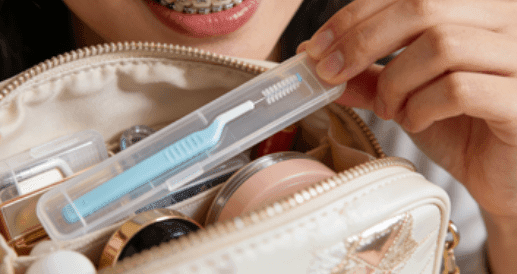
Portabilidade e Acessibilidade
As escovas interdentais são pequenas, leves e fáceis de transportar, o que as torna perfeitas para limpeza em movimento após as refeições.
Design Amigo do Usuário
Muitas escovas apresentam alças ergonômicas ou codificadas por cores para indicar o tamanho Isso facilita a seleção e garante uma técnica de limpeza adequada para pacientes de todas as idades.
Ideal para adolescentes e adultos ocupados
A simplicidade de uso torna as escovas interdentais uma opção prática para adolescentes que aprendem independência de higiene bucal e adultos com horários apertados O uso regular pode economizar tempo enquanto melhora os resultados de saúde bucal.
Comparando escovas interdentais para aparelhos ortodônticos: tamanhos e recomendações
| Tipo Escova | Tamanho recomendado do suporte | Flexibilidade | Caso de uso ideal | Faixa de custo (USD) |
|---|---|---|---|---|
| Cilíndrico Pequeno | Braçadeiras padrão | Alto | Adolescentes e adultos com lacunas estreitas | 50 |
| Cilíndrico Médio | Suportes metálicos ou cerâmicos | Médio | Limpeza regular de lacunas moderadas | 62 |
| Escova Cônica | Aparelhos autoligáveis | Alto | Espaços apertados, suportes complicados | 75 |
| Escova de cerdas macias | Gomas sensíveis | Médio | Limpeza suave e estimulação gengival | 64 |
| Escova Angular | Configurações complexas de fios | Alto | Áreas de difícil acesso em torno de fios | 86 |
Esta tabela destaca a versatilidade de escovas interdentais para aparelhos ortodônticos. Selecionar o tipo certo garante máxima eficiência de limpeza, conforto e benefícios de saúde bucal a longo prazo.
Opiniões de especialistas sobre escovas interdentais para aparelhos ortodônticos
Ortodontistas enfatizam que escovas interdentais não são meramente opcionaiseles são essenciais Dra. Laura Simmons, uma praticante de ortonto em Nova York, observa, “Pacientes que usam escovas interdentais consistentemente durante seu tratamento tendem a ter menos cáries, gengivas mais saudáveis e um processo de tratamento mais suave em geral Além disso, um painel de pesquisadores odontológicos no Journal of Orthodontic Science concluiu que escovas interdentais são a ferramenta mais eficaz para manter a higiene bucal com aparelhos ortodônticos fixos.
Erros comuns a evitar
Mesmo com as melhores ferramentas, o uso incorreto pode reduzir a eficácia das escovas interdentais para aparelhos ortodônticos Erros comuns incluem usar o tamanho errado, aplicar pressão excessiva ou pular áreas difíceis Os pacientes são incentivados a enxaguar as escovas regularmente, substituir as escovas desgastadas e combinar a escovação com creme dental com flúor para maximizar a proteção.
Benefícios a longo prazo de escovas interdentais para aparelhos ortodônticos
Além da limpeza imediata, as escovas interdentais oferecem vantagens a longo prazo. Eles reduzem o risco de cáries, previnem doenças gengivais, minimizam a desmineralização do esmalte e garantem um sorriso mais saudável assim que os aparelhos ortodônticos são removidos. Os pacientes que mantêm uma rotina de limpeza disciplinada geralmente relatam menos consultas odontológicas para tratamento restaurador e desfrutam de uma transição mais suave para cuidados pós-ortodônticos.
Integração de escovas interdentais para aparelho ortodôntico na rotina diária
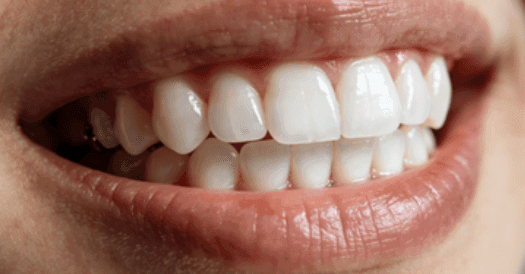
Especialistas recomendam o uso de escovas interdentais para aparelhos ortodônticos pelo menos uma vez por dia, de preferência após as refeições Combiná-los com escovação dentária regular, uso de fio dental sempre que possível e enxaguatórios bucais aumenta a eficácia Para crianças e adolescentes, a orientação dos pais e instrução visual pode ajudar a garantir a técnica correta e a formação de hábitos.
Conclusão
Escovas interdentais para aparelhos ortodônticos são essenciais para manter a higiene oral durante todo o tratamento ortodôntico Eles removem placa bacteriana, saúde da gengiva, prevenir cáries, manter o hálito fresco, e apoiar a saúde dentária a longo prazo Ao selecionar o tipo de escova correta, usando-o consistentemente, e seguindo orientação especializada, os pacientes podem garantir o melhor resultado possível para seus dentes e gengivas Incorporar escovas interdentais para aparelhos em sua rotina diária não é apenas uma recomendação é um passo poderoso em direção a um sorriso mais saudável e brilhante.
Perguntas frequentes
P: Com que frequência deve escovas interdentais para aparelhos ortodônticos ser usado?
Use pelo menos uma vez ao dia, de preferência após as refeições, para remover partículas de alimentos e placas entre colchetes.
P: As escovas interdentais podem substituir completamente o uso do fio dental?
Eles são altamente eficazes, mas devem complementar, e não substituir totalmente, o uso do fio dental tradicional para uma higiene completa.
Q: Como faço para selecionar o tamanho certo de escova interdental?
Escolha um pincel que se encaixe perfeitamente sem forçar Muitos kits incluem vários tamanhos para diferentes lacunas.
P: As escovas interdentais são seguras para gengivas sensíveis?
Sim, escovas de cerdas macias ou cônicas são recomendadas para tecidos gengivais sensíveis, garantindo uma limpeza suave.
P: As crianças podem usar escovas interdentais com segurança para aparelhos?
Absolutamente. Selecione escovas de tamanho apropriado para as crianças para manter a higiene e evitar o acúmulo de placa de forma eficaz.
Mantenha-se conectado! 🌟
Obrigado pela leitura! Se você gostou deste artigo, não se esqueça de me seguir nas redes sociais para mais informações, atualizações e conteúdo exclusivo dos bastidores:
Facebook – Participe da conversa e receba as últimas atualizações.
YouTube – Assista a tutoriais, demonstrações e guias detalhados.
Instagram – Veja dicas, imagens e inspiração diária.
Vamos continuar aprendendo e crescendo juntos — mantenham-se conectados e não percam nada!