Introduction
In recent years, global oral care habits have shifted significantly from basic brushing to comprehensive interdental cleaning systems. According to multiple dental hygiene surveys published by the American Dental Association (ADA), more than 68% of adults still fail to clean between teeth daily, which leads to increased risks of gingivitis, bad breath, and long-term periodontal disease.
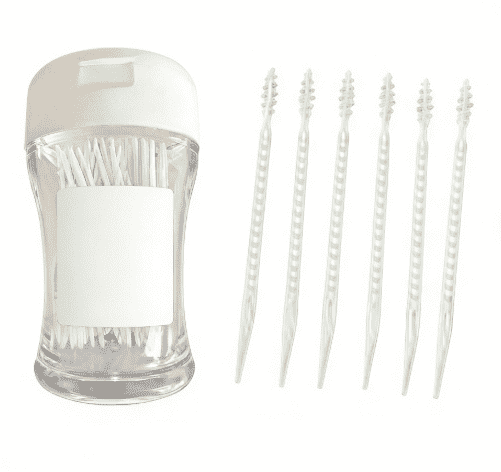
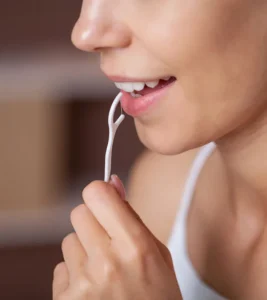
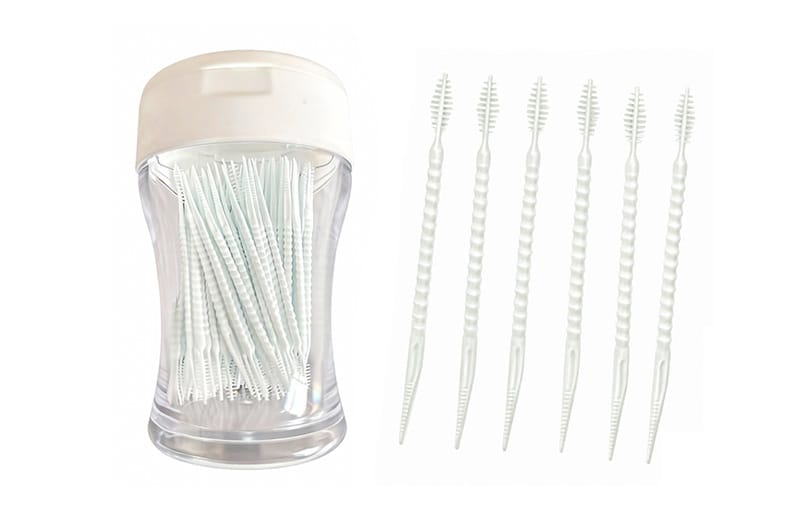
This is where the dentist toothpick has become increasingly relevant. Unlike traditional wooden picks, modern dental-grade toothpicks are engineered with ergonomic design, medical-grade polymers, and gum-safe flexibility, making them a practical alternative for everyday oral hygiene.
In fact, according to a 2024 global oral care white paper, interdental cleaning tools (including dentist toothpicks, floss, and brushes) are projected to grow at a 5.6% CAGR through 2030, driven by rising awareness of preventive dentistry and cosmetic oral health demand.
Table of Contents
What is a Dentist Toothpick? (Clinical and Functional Definition)
Clinical Definition of Dentist Toothpick
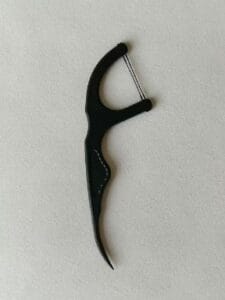
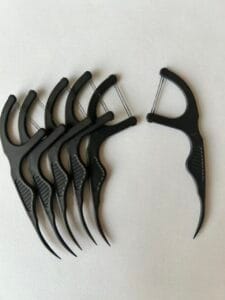
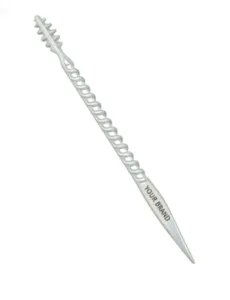
A dentist toothpick is an interdental cleaning instrument designed to remove food debris and disrupt plaque biofilm between teeth surfaces without damaging gum tissue.
Unlike conventional toothpicks, dentist-grade products follow strict safety and ergonomic design principles to ensure controlled pressure application and reduced enamel abrasion.
Core Functional Objectives
A dentist toothpick serves three primary dental hygiene functions:
- Mechanical removal of food particles
- Disruption of bacterial plaque between teeth
- Gentle stimulation of gum tissue to improve blood circulation
Scientific Insight
Clinical studies in periodontal journals show that interdental cleaning tools can reduce plaque accumulation by up to 40–60% when used consistently, significantly lowering the risk of gingivitis.
Dentist Toothpick Material Science and Engineering Standards
Medical-Grade Material Systems
Modern dentist toothpick products are typically manufactured using:
- Polypropylene (PP) food-grade plastic
- Thermoplastic elastomer (TPE)
- Silicone-based soft polymers
- Stainless steel core with protective coating
Key Safety Standards
Most professional-grade dentist toothpicks comply with:
- FDA food-contact safety standards (USA)
- EU Regulation No. 10/2011 (plastic materials in contact with food)
- ISO 10993 biocompatibility testing (medical device safety)
- CE certification for dental hygiene tools
Material Performance Comparison
| Material Type | Flexibility | Gum Safety | Durability | Cost Level | Use Case |
|---|---|---|---|---|---|
| Plastic PP | High | High | Medium | Low | Daily cleaning |
| Silicone | Very High | Very High | High | Medium | Sensitive gums |
| Metal Core | Low | Medium | Very High | High | Precision cleaning |
| Wooden Dental Grade | Medium | Medium | Low | Low | Occasional use |
Dentist Toothpick vs Dental Floss vs Interdental Brush
Functional Comparison Overview
| Feature | Dentist Toothpick | Dental Floss | Interdental Brush |
|---|---|---|---|
| Ease of Use | Very Easy | Moderate | Moderate |
| Cleaning Efficiency | Medium | High | Very High |
| Gum Comfort | High | Medium | Medium |
| Portability | High | High | Low |
| Learning Curve | Minimal | Medium | Medium |
Conceptual Difference
- Dentist toothpick: quick surface-level interdental cleaning tool
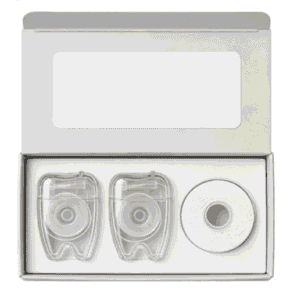
- Dental floss: deep cleaning between tight contact points
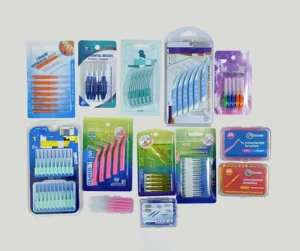
- Interdental brush: mechanical plaque removal for wider gaps
Clinical Recommendation Insight
According to periodontal maintenance guidelines, dentists often recommend combining at least two interdental cleaning methods for optimal oral hygiene outcomes.
Dentist Toothpick Manufacturing Process (Industrial Perspective)
Step 1: Raw Material Preparation
High-grade polymers or medical plastics are selected and tested for toxicity and flexibility consistency.
Step 2: Injection Molding Process
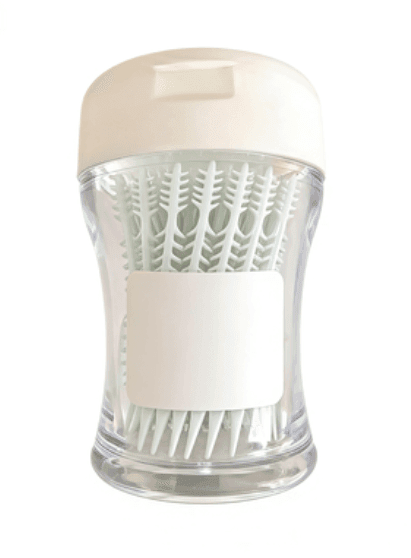
Precision molds shape the toothpick into ergonomic forms, ensuring consistent curvature and tip softness.
Step 3: Surface Finishing and Polishing
Edges are smoothed to eliminate micro-abrasions that could harm enamel.
Step 4: Sterilization Process
Many manufacturers apply UV sterilization or high-temperature treatment before packaging.
Step 5: Quality Inspection
Batch testing ensures:
- Tensile strength compliance
- Flexibility consistency
- Microbial contamination control
Dentist Toothpick Usage Scenarios in Daily Life
After Meal Cleaning Routine
Food debris removal after meals helps prevent bacterial fermentation and odor formation within 15–30 minutes after eating.
Orthodontic Patients Use Case
Patients with braces often require specialized dentist toothpick tools to clean around brackets and wires.
Travel and On-the-Go Oral Care
Compact packaging allows users to maintain oral hygiene even without access to toothbrushes.
Elderly Oral Care Assistance
For users with reduced hand mobility, ergonomic dentist toothpicks provide easier grip and safer cleaning.
Global Market Trends and Industry Data
Market Growth Statistics (2023–2025)
- Global interdental cleaning market: $4.2 billion (2024 estimate)
- Expected growth rate: 5–6% annually
- Asia-Pacific region accounts for ~38% of global demand
Consumer Behavior Shift
A 2025 dental hygiene survey revealed:
- 72% of users prefer quick interdental tools over floss
- 61% prioritize comfort over deep cleaning efficiency
- 54% purchase dentist toothpicks in bulk for daily use
Dentist Toothpick Safety Analysis
Risk Factors
Improper use may cause:
- Gum irritation
- Enamel scratching
- Minor bleeding in sensitive users
Safe Usage Guidelines
- Apply minimal pressure
- Do not force into tight spaces
- Use angled motion along gum line
- Replace disposable types regularly
Dentist Toothpick Buying Decision Framework
Step 1: Identify Gum Sensitivity Level
- Sensitive gums → silicone type
- Normal gums → plastic type
- Strong interdental gaps → brush + toothpick combo
Step 2: Define Usage Frequency
- Daily users → reusable silicone recommended
- Occasional users → disposable plastic sufficient
Step 3: Evaluate Safety Certification
Always check for:
- FDA approval
- ISO certification
- BPA-free labeling
Dentist Toothpick Buying Comparison Table (Advanced Version)
| Factor | Budget Option | Mid-Range Option | Premium Option |
|---|---|---|---|
| Material | Plastic PP | Silicone blend | Medical-grade composite |
| Lifespan | Short | Medium | Long |
| Gum Comfort | Medium | High | Very High |
| Cleaning Efficiency | Medium | High | High |
| Ideal User | Casual users | Daily users | Sensitive gums / dental patients |
Real-World Case Study: Dental Clinic Recommendation Practice
A 2023 clinical case study from a European dental hygiene association showed:
- Patients using interdental tools daily reduced gingival bleeding by 45% within 6 weeks
- Dentist toothpick users reported higher compliance compared to floss users due to ease of use
- Combined use of toothpick + floss showed the highest plaque reduction rate (up to 62%)
Industry Standards and White Paper Insights
ADA Guidelines Summary
The American Dental Association emphasizes:
- Interdental cleaning once daily minimum
- Use of non-abrasive tools
- Combination of mechanical cleaning methods
WHO Oral Health Report Insight
The World Health Organization highlights that untreated oral diseases affect nearly 3.5 billion people globally, making preventive tools like dentist toothpicks increasingly important in daily care routines.
Emerging Innovations in Dentist Toothpick Technology
Smart Ergonomic Design
New designs include:
- Anti-slip grip coating
- Angled head design for molar access
- Multi-tip hybrid structures
Eco-Friendly Materials
Sustainable trends include:
- Biodegradable polymer toothpicks
- Recyclable packaging systems
- Plant-based resin materials
AI-Driven Oral Care Integration (Future Trend)
Some oral care startups are exploring smart toothbrush + interdental tracking systems to monitor cleaning habits.
FAQ
What is the main advantage of a dentist toothpick?
It provides quick, easy interdental cleaning with less discomfort compared to traditional floss.
Is dentist toothpick safe for daily use?
Yes, when used correctly and made from certified materials, it is safe for daily oral hygiene.
Can dentist toothpick replace floss completely?
No, dentists recommend combining both for optimal oral care results.
How often should I use dentist toothpick?
Once or twice daily, preferably after meals.
Which type is best for beginners?
Soft plastic or silicone dentist toothpicks are recommended for first-time users.
Conclusion
The dentist toothpick is no longer just a supplementary oral care tool—it is becoming a mainstream component of modern dental hygiene systems. Its simplicity, safety improvements, and ergonomic design make it especially suitable for users seeking fast and effective interdental cleaning.
With increasing awareness of oral health, rising clinical recommendations, and continued innovation in dental care technology, dentist toothpicks are expected to remain a strong growth category in the global oral hygiene market.
For consumers, the key takeaway is clear: selecting the right dentist toothpick is not just about convenience—it is about long-term gum health, preventive care, and improved quality of life.
Stay Connected! 🌟
Thanks for reading! If you enjoyed this article, don’t forget you can follow me on social media for more insights, updates, and behind-the-scenes content:
Facebook – Join the conversation and get the latest updates
YouTube – Watch tutorials, demos, and in-depth guides
Instagram – See tips, visuals, and daily inspiration
Let’s continue learning and growing together—stay connected and never miss a beat!