Introduction
Oral health has rapidly evolved from a basic hygiene routine into a scientifically structured preventive healthcare system. In 2026, dental hygiene tools are no longer optional consumer products—they are essential components of global preventive medicine strategies.
According to international oral health reports published by organizations such as the World Health Organization (WHO), nearly 3.5 billion people worldwide are affected by oral diseases, making them one of the most common non-communicable health conditions globally. This has driven strong demand for advanced oral care systems, including floss-based cleaning tools, interdental brushes, tongue scrapers, and precision-designed cleaning instruments.
Industry data from oral care market research indicates:
- Global oral care market value exceeds USD 55–60 billion and continues growing steadily
- Interdental cleaning product demand is increasing at over 6% CAGR annually
- Over 70% of dentists recommend daily interdental cleaning in addition to brushing
- Professional-grade dental hygiene tools are increasingly adopted in home-care routines
This guide provides a comprehensive technical, clinical, and market-driven analysis of modern dental hygiene systems, including material science, product classification, performance comparison, and real-world usage applications.
Table of Contents
Clinical Foundation of Dental Hygiene Tools in Modern Oral Care Systems
What Defines a Dental Hygiene Tool System?
A modern oral care system is composed of multiple dental hygiene tools, each designed to target specific oral biofilm zones that toothbrushes cannot effectively reach.
These systems typically include:
- Interdental cleaning devices
- Flossing systems
- Tongue cleaning instruments
- Precision tooth surface cleaners
Oral Biofilm Science and Plaque Formation
Biofilm Formation Process
Dental plaque is a structured microbial biofilm that develops in stages:
- Initial bacterial adhesion
- Microcolony formation
- Mature biofilm development
- Mineralization into calculus
Clinical Importance
If not removed, biofilm can lead to:
- Gingivitis
- Periodontitis
- Tooth decay
- Halitosis (bad breath)
Why Toothbrush Alone Is Not Enough
Even high-quality toothbrushes only clean approximately 60% of tooth surfaces. The remaining 40% includes interdental and subgingival areas, which require specialized dental hygiene tools.
Advanced Classification of Dental Hygiene Tools
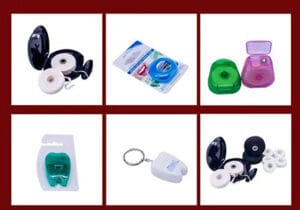
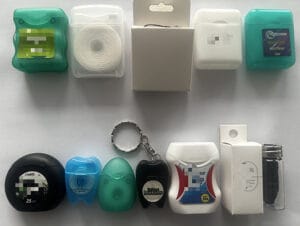
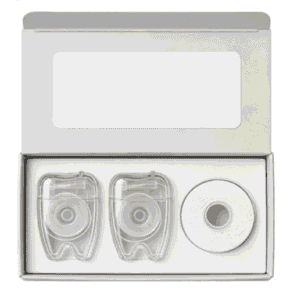
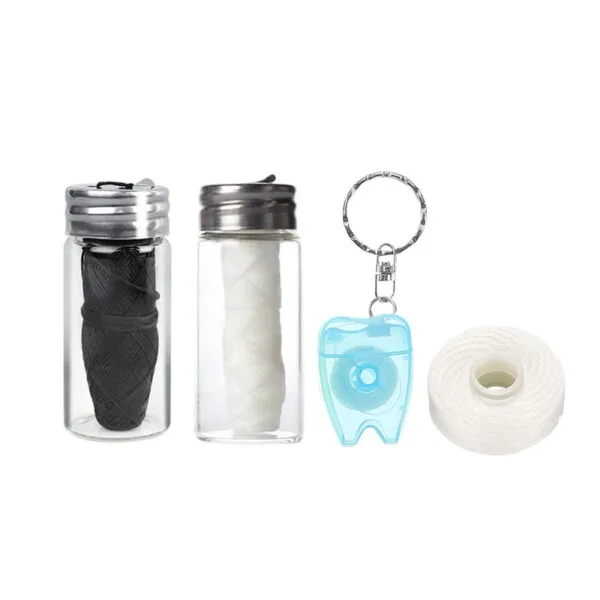
Dental Floss Systems (Rolls & Picks)
Engineering Design Concept
Floss systems are designed for friction-based plaque removal between tight tooth contacts.
Types of Floss Tools
- Waxed floss (low friction, easier insertion)
- Unwaxed floss (higher friction cleaning)
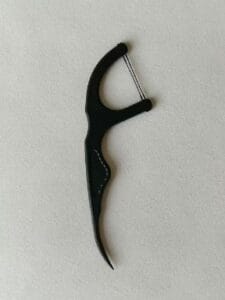
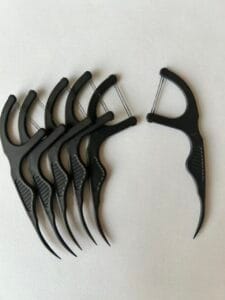
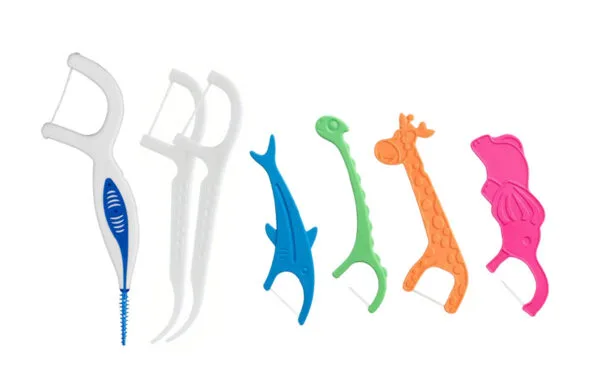
- Floss picks (user-friendly structured design)
Clinical Performance Insight
Studies show flossing can reduce interdental plaque by up to 40%–50% when used correctly.
Interdental Brushes (High-Efficiency Cleaning Tools)
Structural Engineering Design
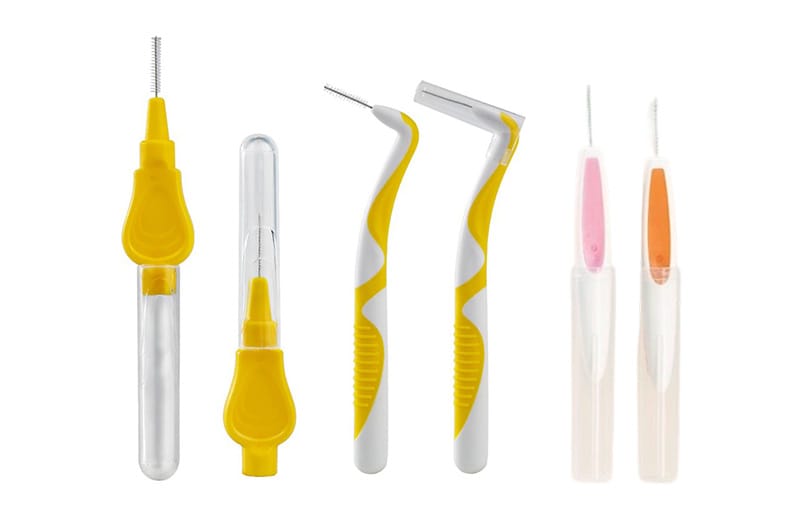
Interdental brushes consist of:
- Nylon bristle filaments
- Stainless steel or polymer core wire
- Ergonomic handle design
Performance Advantage
Compared to floss, interdental brushes provide:
- Higher plaque removal efficiency in open spaces
- Better gum stimulation
- Improved accessibility for orthodontic patients
Clinical Recommendation
Dentists often recommend interdental brushes for patients with:
- Periodontal disease
- Dental implants
- Orthodontic appliances
Tongue Cleaning Systems
Biological Function of Tongue Surface
The tongue harbors dense bacterial colonies responsible for:
- Volatile sulfur compounds (bad breath)
- Microbial imbalance
- Reduced taste sensitivity
Tongue Scraper Engineering Concept
Modern scrapers use:
- Curved ergonomic geometry
- Soft medical-grade polymers
- Dual-edge cleaning surfaces
Precision Toothpicks and Micro-Cleaning Tools
Modern Design Evolution
Traditional wooden toothpicks have evolved into engineered oral hygiene tools.
Fishbone Toothpick Structure
Features include:
- Multi-contact cleaning surfaces
- Flexible polymer material
- Reduced gum trauma design
Dental Hygiene Tools Material Science and Engineering
Polymer Material Systems in Oral Care Tools
Common Materials
- PP (Polypropylene)
- PE (Polyethylene)
- Medical-grade TPE
Engineering Advantages
- High flexibility
- Low production cost
- Safe oral contact compliance
Nylon Fiber Technology in Interdental Brushes
Material Properties
- High elasticity
- Wear resistance
- Controlled stiffness levels
Clinical Impact
Nylon fiber design directly affects:
- Cleaning efficiency
- Gum safety
- Product lifespan
Biocompatibility and Safety Standards
Global Compliance Standards
- ISO 16409 (Interdental brushes)
- FDA oral care material guidelines
- EU REACH compliance regulations
Market Trends and Industry Insights (2026 White Paper Summary)
Global Oral Care Market Expansion
Industry reports indicate strong growth driven by:
- Aging populations
- Increased dental awareness
- Preventive healthcare adoption
Shift Toward Preventive Dentistry
Modern healthcare systems emphasize:
- Prevention over treatment
- Daily oral hygiene routines
- Home-based dental care systems
OEM & ODM Manufacturing Trends
Customization Capabilities
Modern manufacturers provide:
- Private label dental hygiene tools
- Custom mold design
- Packaging engineering solutions
Industry Example
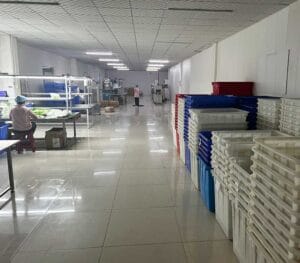
Companies like Shandong Richsource Biological Technology Co., Ltd. focus on OEM/ODM oral care product systems including floss picks, interdental brushes, and tongue cleaners for global markets.
Dental Hygiene Tools Comparison Framework
Manual vs Structured Oral Care Systems
| Feature | Manual Tools | Structured Dental Hygiene Tools |
|---|---|---|
| Cleaning Efficiency | Moderate | High |
| Precision Targeting | Low | High |
| Clinical Recommendation | Basic use | Advanced care |
| User Experience | Simple | Optimized system |
| Oral Health Impact | Limited | Comprehensive |
Floss vs Interdental Brush vs Tongue Scraper
| Tool Type | Function | Best Use Case | Efficiency Level |
|---|---|---|---|
| Dental Floss | Tight gaps | Crowded teeth | Medium |
| Interdental Brush | Open gaps | Gum disease | High |
| Tongue Scraper | Bacterial removal | Bad breath | High |
Real-World Clinical and Industry Case Studies
Case Study 1: European Dental Clinic Preventive Program
A preventive care program introduced structured dental hygiene tools usage for patients.
Results after 6 months:
- 35% reduction in gingivitis cases
- 28% improvement in plaque index scores
- Higher patient compliance with home care routines
Case Study 2: OEM Brand Expansion in Asia Market
A dental care brand introduced customized floss pick product lines.
Outcome:
- 42% increase in retail conversion rate
- Stronger brand differentiation in pharmacy channels
- Expansion into 12 new international markets
Case Study 3: Orthodontic Patient Hygiene Study
Patients using interdental brushes alongside floss showed:
- Reduced bracket plaque accumulation
- Improved gum health stability
- Lower orthodontic complication rates
Clinical Application Scenarios
Daily Home Oral Care Routine Model
A scientifically recommended routine includes:
- Tooth brushing (2 minutes)
- Flossing (1–2 minutes)
- Interdental cleaning
- Tongue scraping
Professional Dental Clinic Use
Dental professionals use dental hygiene tools for:
- Pre-treatment cleaning
- Post-scaling maintenance
- Patient education programs
Hospital Preventive Dentistry Programs
Some healthcare systems integrate oral hygiene education focusing on:
- Interdental cleaning awareness
- Gum disease prevention
- Lifestyle-based oral health control
Emerging Technology Trends in Dental Hygiene Tools
Smart Oral Care Devices
New innovations include:
- App-connected toothbrush systems
- AI-based brushing feedback
- Smart pressure sensors
Sustainable Material Development
Eco-friendly trends include:
- Recycled plastic handles
- Biodegradable floss materials
- Reduced packaging waste systems
Ergonomic Design Optimization
Modern tool design focuses on:
- Hand fatigue reduction
- Improved grip geometry
- Better oral cavity accessibility
FAQ
What are dental hygiene tools used for?
They are used to clean areas of the mouth that toothbrushes cannot effectively reach, including interdental spaces and tongue surfaces.
How often should dental hygiene tools be used?
Most tools should be used once daily, especially floss and interdental brushes for optimal oral health.
Are interdental brushes better than floss?
They are more effective for wider gaps, while floss is better for tight spaces between teeth.
Can dental hygiene tools prevent gum disease?
Yes, regular use significantly reduces plaque buildup and helps prevent gingivitis and periodontal disease.
What is the most effective oral care routine?
A combination of brushing, flossing, interdental cleaning, and tongue scraping is considered the most effective system.
Conclusion
The evolution of dental hygiene tools reflects a global shift toward preventive, system-based oral healthcare. Instead of relying solely on brushing, modern oral hygiene integrates multiple specialized tools designed to target different biological and structural areas of the mouth.
From interdental brushes to floss systems and tongue scrapers, each component plays a critical role in maintaining oral microbiome balance, preventing disease, and improving long-term dental health outcomes. In 2026 and beyond, dental hygiene tools will continue to evolve toward smarter, more sustainable, and clinically optimized solutions for global oral care needs.
Stay Connected! 🌟
Thanks for reading! If you enjoyed this article, don’t forget you can follow me on social media for more insights, updates, and behind-the-scenes content:
Facebook – Join the conversation and get the latest updates
YouTube – Watch tutorials, demos, and in-depth guides
Instagram – See tips, visuals, and daily inspiration
Let’s continue learning and growing together—stay connected and never miss a beat!