Conclusiones clave
- Comprender la importancia clínica de herramientas de limpieza dental en la prevención de la enfermedad periodontal
- Aprenda métricas de higiene bucal y estándares de salud dental basados en evidencia
- Explore los sistemas de limpieza interdental profesionales y las herramientas de cuidado bucal de consumo
- Compare la eficiencia de la limpieza manual y eléctrica con las referencias clínicas
- Analizar materiales, ergonomía e ingeniería de diseño detrás de herramientas dentales
- Revise las mejoras en los casos dentales y los datos de salud pública del mundo real
- Comprender las recomendaciones de higiene bucal alineadas con ISO, ADA y la OMS
- Descubra estrategias de compra, uso y aplicación clínica
Introducción
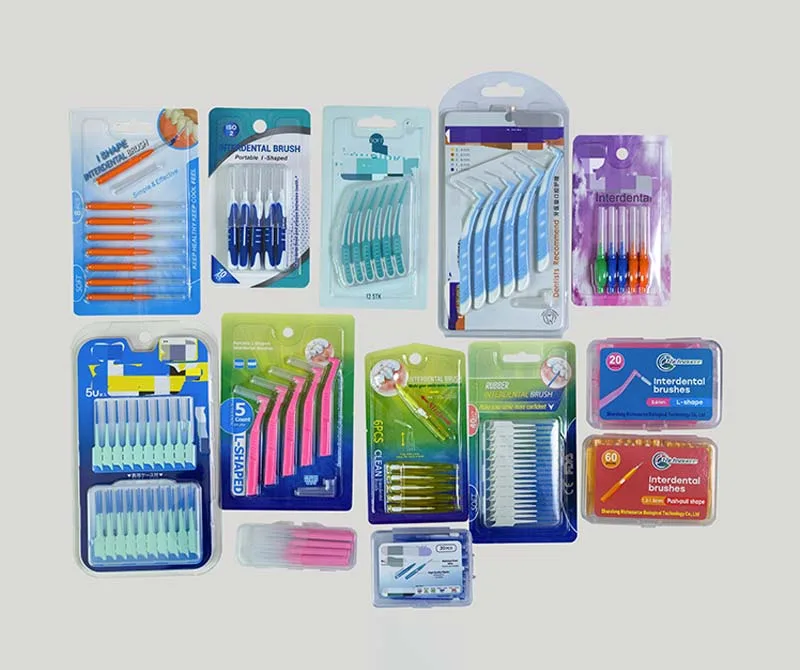
La salud bucal ya no es un tema cosmético, sino una parte central de la salud sistémica. Los informes de la OMS indican que miles de millones de personas en todo el mundo padecen enfermedades bucales, la mayoría de las cuales se pueden prevenir mediante prácticas de higiene diarias.
La odontología moderna enfatiza la prevención más que el tratamiento. Este cambio ha elevado el papel de herramientas de limpieza dental, que ahora funcionan como instrumentos esenciales de salud diaria en lugar de accesorios opcionales.
Los estudios clínicos muestran que una limpieza interdental adecuada puede reducir la inflamación de las encías hasta en 70% en unas semanas. Esto hace que las rutinas estructuradas de cuidado bucal sean un factor crítico para la estabilidad dental a largo plazo.
Tabla de contenido
Fundamento científico de las herramientas de limpieza dental en la atención de salud bucal
Mecanismo de formación de biopelículas de placa
La placa dental es una biopelícula microbiana estructurada en lugar de un simple residuo de alimento.
Se desarrolla a través de etapas predecibles:
- Adhesión bacteriana inicial en 24 horas
- Maduración de biopelículas en 5-7 días
- Mineralización en cálculo después de ~10 días
Una vez endurecidas, las herramientas de limpieza mecánica se vuelven menos efectivas sin intervención profesional.
Umbrales clínicos para la enfermedad de las encías
De acuerdo con las pautas de la ADA:
- El índice de placa superior a 20-30% aumenta el riesgo de gingivitis
- El sangrado al sondear por encima de 10% indica inflamación temprana
- La profundidad de la bolsa más allá de 4 mm sugiere progresión periodontal
Uso regular de herramientas de limpieza dental ayuda a mantener estos indicadores dentro de rangos seguros.
Marco de Higiene Bucal de la OMS
OMS recomienda:
- Cepillado dos veces al día
- Limpieza interdental diaria
- Ingesta controlada de azúcar
- Visitas dentales periódicas
Este marco posiciona las herramientas de higiene bucal como elementos esenciales de la atención sanitaria preventiva.
Tipos de Herramientas de limpieza dental en Odontología Moderna
Descripción general de los sistemas de limpieza interdental
La limpieza interdental se dirige a áreas a las que los cepillos de dientes no pueden llegar. Estas zonas son muy propensas a la acumulación de placa y enfermedades de las encías.
Sistemas de cepillos interdentales (Herramienta clínica básica)
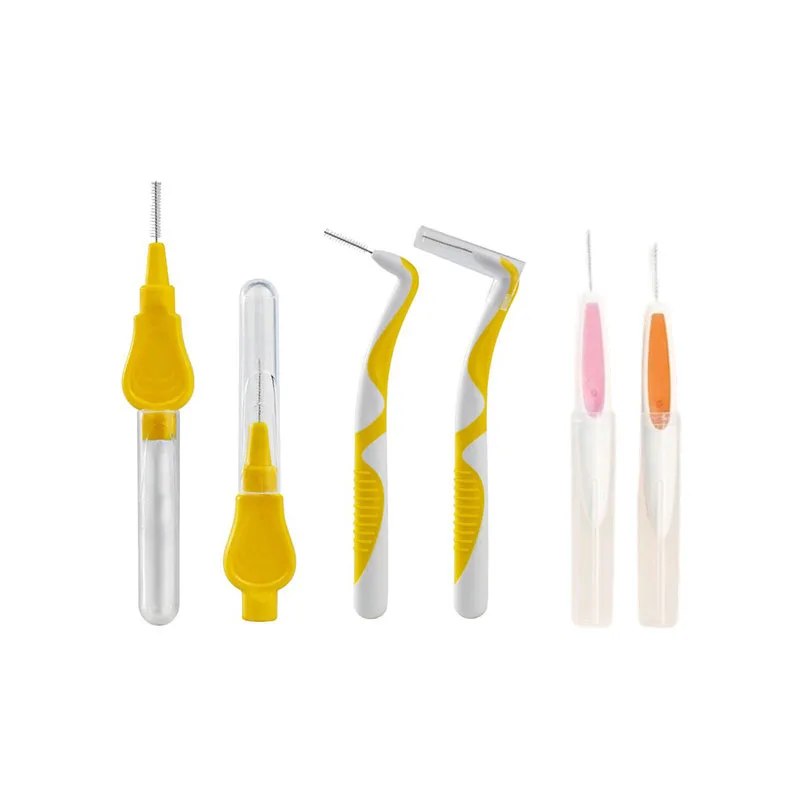
Los cepillos interdentales son ampliamente reconocidos como uno de los más eficaces herramientas de limpieza dental para la eliminación de placas interdentales.
Papel clínico de los cepillos interdentales
Se recomiendan para:
- Espacios dentales más anchos
- Pacientes de ortodoncia
- Mantenimiento de implantes
Los estudios clínicos muestran una eficiencia de eliminación de placa interdental de hasta 85% cuando se usa correctamente.
Sistemas de hilo dental
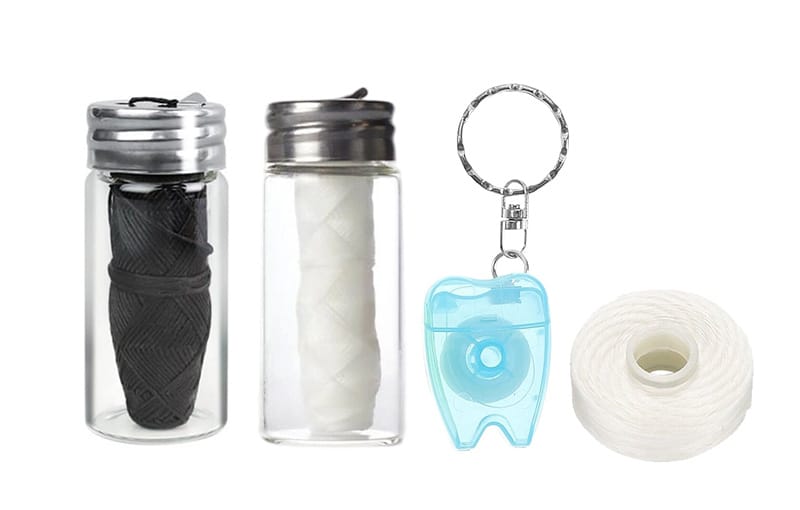
Floss está diseñado para puntos de contacto estrechos entre dientes.
Funciona mediante fricción mecánica para eliminar residuos, pero tiene una eficacia limitada en espacios más amplios en comparación con los cepillos interdentales.
Sistemas de Riego Bucal
Los hilos de agua utilizan corrientes de agua pulsantes para eliminar los residuos.
Son particularmente útiles para:
- Encías sensibles
- aparatos de ortodoncia
- Mantenimiento de implantes
Dispositivos de limpieza de lengua
Los raspadores de lengua eliminan la acumulación de bacterias que contribuye al mal aliento.
Las investigaciones indican que hasta 60% de mal olor oral se origina a partir de bacterias que recubren la lengua.
Tipos de cepillo interdental en Herramientas de limpieza dental Categoría
Cepillo interdental angular
Diseñado para acceso posterior, especialmente regiones molares.
Mejora la accesibilidad en zonas bucales profundas donde las herramientas rectas son menos efectivas.
Cepillo interdental flexible
Cuenta con estructuras de alambre flexibles.
Se adapta a la alineación irregular de los dientes y a condiciones de ortodoncia.
Cepillo Interdental de Ortodoncia
Especializado para usuarios de aparatos ortopédicos.
Elimina las partículas de comida atrapadas alrededor de soportes y cables.
Cepillo Interdental de Grado Clínico
Utilizado en clínicas dentales para procedimientos de limpieza previos al tratamiento.
Ofrece mayor durabilidad y control de precisión.
Tabla comparativa de herramientas de limpieza dental
| Tipo de herramienta | Mejor para | Eficiencia | Facilidad de uso | Limitación |
|---|---|---|---|---|
| Cepillo interdental | Espacios y tirantes | Muy alto | Fácil | Necesita el tamaño correcto |
| Hilo dental | Dientes apretados | Medio | Moderado | Sensible a la técnica |
| Irrigador bucal | Encías sensibles | Alto | Fácil | Costo del equipo |
| Raspador de lengua | Control de la respiración | Medio | Muy fácil | Función limitada |
| Cepillo eléctrico | Cepillado diario | Alto | Fácil | Dependencia de la batería |
Cómo las herramientas de limpieza dental mejoran la salud bucal
Mecanismo de control de placa
Estas herramientas alteran la biopelícula bacteriana antes de que se endurezca hasta convertirse en sarro.
Esto reduce significativamente las complicaciones dentales a largo plazo.
Función de limpieza de líneas de goma
La línea de encías es un área de alto riesgo de acumulación bacteriana.
La limpieza adecuada reduce:
- Inflamación
- Sangrado
- Riesgo de recesión de las encías
Eficiencia de limpieza interdental
La limpieza interdental elimina hasta 40% más placa que el cepillado solo.
Esto lo convierte en un paso esencial en las rutinas de higiene bucal.
Diseño de ingeniería detrás de las herramientas de limpieza dental
Diseño de mango ergonómico
Las estructuras de agarre optimizadas reducen la fatiga de las manos durante la limpieza.
Esto mejora la precisión y la usabilidad durante las rutinas diarias.
Estructura de seguridad del núcleo de alambre
Los cepillos interdentales modernos utilizan núcleos de acero inoxidable recubiertos.
Esto reduce el riesgo de traumatismo en las encías manteniendo la flexibilidad.
Ingeniería de materiales de cerdas
Los materiales comunes incluyen:
- Nailon PA6 (uso estándar)
- PA610 (uso flexible)
- Filamentos de grado médico (uso clínico)
Estudios de casos clínicos utilizando Herramientas de limpieza dental
Estudio de reducción de gingivitis
Un programa clínico de 12 semanas demostró:
- 62% reducción del sangrado de encías
- Reducción de placa 48%
- Mejora de la estabilidad periodontal
Caso de Ortodoncia para el Cuidado Bucal
Los pacientes que usaban aparatos ortopédicos mostraron:
- 70% menos lesiones de manchas blancas
- Mejora de la estabilidad de la salud de las encías
Estudio de mantenimiento de implantes
Usuarios de cepillos interdentales experimentados:
- 55% reducción de la inflamación periimplantaria
Datos de salud pública e industria
OMS raporta:
- 3.500 millones de personas afectadas por enfermedades bucales
- 2.300 millones tienen caries no tratada
- Sólo 30% realizan limpieza interdental diaria
Esto resalta la importancia global de herramientas de limpieza dental adopción.
Normas y cumplimiento de materiales
Estándares ISO
- ISO 20126: requisitos del cepillo de dientes
- ISO 22254: pruebas de filamentos
- ISO 16409: especificaciones del cepillo interdental
Cumplimiento normativo
Deben cumplirse herramientas orales de alta calidad:
- Estándares de dispositivos médicos de la FDA
- Certificación CE
- Pruebas de biocompatibilidad (ISO 10993)
Cómo elegir Herramientas de limpieza dental
Selección por condición dental
- Espaciado reducido → hilo dental
- Amplios espacios → cepillo interdental
- Tirantes → herramientas interdentales flexibles
- Implantes → cepillos de cerdas suaves
Lista de verificación de evaluación del comprador
- Grado de suavidad de las cerdas
- Manejar la ergonomía
- Seguridad del revestimiento de alambre
- Disponibilidad de rango de tamaño
- Ciclo de reemplazo
Protocolo de uso de herramientas de limpieza dental

Rutina diaria
Mañana:
- Cepillado eléctrico
- Limpieza de lengua
Seara:
- Limpieza interdental
- Irrigación opcional con hilo dental o agua
Rutina Dental Profesional
Los dentistas recomiendan:
- Limpieza interdental antes del cepillado
- Cepillado durante 2 minutos mínimo
- Controles periódicos de limpieza profunda
Innovaciones en herramientas de limpieza dental
Dispositivos inteligentes para el cuidado bucal
Herramientas modernas incluyen:
- Sensores de presión
- Comentarios de cepillado de IA
- Sistemas de seguimiento Bluetooth
Tecnología de recubrimiento antibacteriano
Los recubrimientos de iones de plata reducen el crecimiento bacteriano hasta en 99%.
Materiales de cuidado bucal sostenible
Los desarrollos ecológicos incluyen:
- Asas reciclables
- Plásticos biodegradables
- Componentes a base de bambú
Preguntas frecuentes
Qué son herramientas de limpieza dental ¿usado para?
Eliminan la placa y los restos de los dientes, las encías y los espacios interdentales para prevenir enfermedades bucales.
¿qué herramientas de limpieza dental son más efectivas?
Los cepillos interdentales se consideran los más eficaces para la limpieza interdental.
¿pueden las herramientas de limpieza dental reemplazar el cepill
No. Son complementarios y deben usarse junto con el cepillado.
¿son seguros los cepillos interdentales para las encías?
Sí, cuando se dimensionan correctamente y se usan suavemente, son seguros y eficaces.
¿Con qué frecuencia se deben utilizar las herramientas de limpieza dental?
Los dentistas recomiendan el uso diario para una salud bucal óptima.
¿Las herramientas eléctricas mejoran los resultados de limpieza?
Sí. Mejoran la consistencia y la eficiencia de eliminación de placas en comparación con el cepillado manual.
Conclusión
La atención sanitaria bucal moderna se basa en diseños científicos herramientas de limpieza dental para mantener la salud dental a largo plazo. Estas herramientas van más allá del cepillado básico al apuntar a espacios interdentales, líneas de encías y biopelículas bacterianas.
Con validación clínica, recomendaciones de salud global e innovación tecnológica continua, las herramientas de higiene bucal se han convertido en componentes esenciales de los sistemas de salud preventiva.
El uso constante y correcto de estas herramientas puede reducir significativamente el riesgo de enfermedades dentales, mejorar la salud de las encías y respaldar una sonrisa saludable y duradera.
¡Mantente conectado! 🌟
¡Gracias por leer! Si te gustó este artículo, no olvides que puedes seguirme en redes sociales para más información, novedades y contenido entre bastidores:
Facebook – Únete a la conversación y obtén las últimas actualizaciones.
YouTube – Vea tutoriales, demostraciones y guías detalladas
Instagram – Vea consejos, elementos visuales e inspiración diaria.
Sigamos aprendiendo y creciendo juntos: ¡mantengámonos conectados y nunca nos perdamos nada!