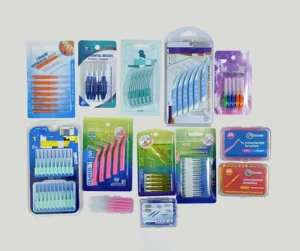
Key Takeaways
- Understand the clinical importance of teeth cleaning tools in preventing periodontal disease
- Learn evidence-based oral hygiene metrics and dental health standards
- Explore professional interdental cleaning systems and consumer oral care tools
- Compare manual vs electric cleaning efficiency with clinical references
- Analyze materials, ergonomics, and design engineering behind dental tools
- Review real-world dental case improvements and public health data
- Understand ISO, ADA, and WHO-aligned oral hygiene recommendations
- Discover purchasing, usage, and clinical application strategies
Introduction
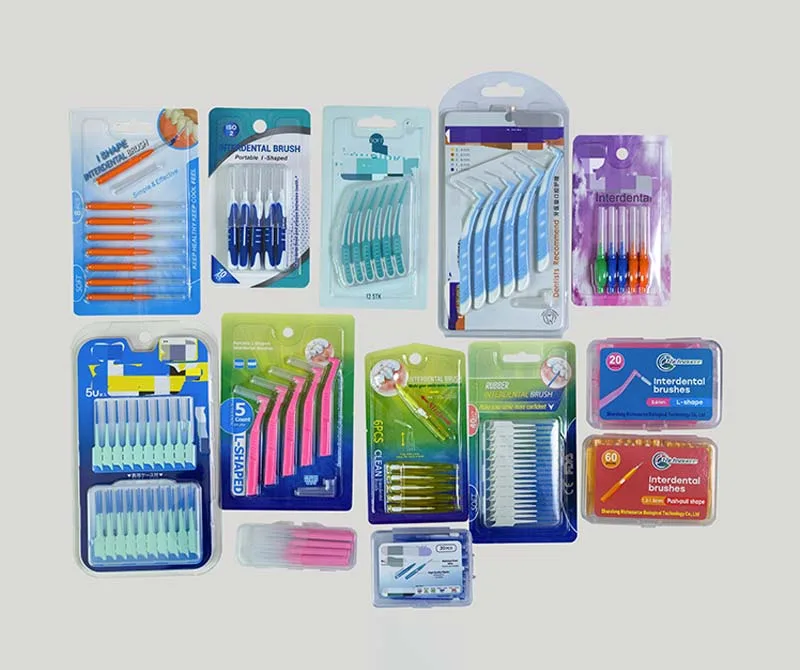
Oral health is no longer a cosmetic topic—it is a core part of systemic health. WHO reports indicate that billions of people worldwide suffer from oral diseases, most of which are preventable through daily hygiene practices.
Modern dentistry emphasizes prevention rather than treatment. This shift has elevated the role of teeth cleaning tools, which now function as essential daily health instruments rather than optional accessories.
Clinical studies show that proper interdental cleaning can reduce gum inflammation by up to 70% within weeks. This makes structured oral care routines a critical factor in long-term dental stability.
Table of Contents
Scientific Foundation of Teeth Cleaning Tools in Oral Healthcare
Plaque Biofilm Formation Mechanism
Dental plaque is a structured microbial biofilm rather than simple food residue.
It develops through predictable stages:
- Initial bacterial adhesion within 24 hours
- Biofilm maturation within 5–7 days
- Mineralization into calculus after ~10 days
Once hardened, mechanical cleaning tools become less effective without professional intervention.
Clinical Thresholds for Gum Disease
According to ADA guidelines:
- Plaque index above 20–30% increases gingivitis risk
- Bleeding on probing above 10% indicates early inflammation
- Pocket depth beyond 4mm suggests periodontal progression
Regular use of teeth cleaning tools helps keep these indicators within safe ranges.
WHO Oral Hygiene Framework
WHO recommends:
- Twice-daily brushing
- Daily interdental cleaning
- Controlled sugar intake
- Regular dental visits
This framework positions oral hygiene tools as preventive healthcare essentials.
Types of Teeth Cleaning Tools in Modern Dentistry
Interdental Cleaning Systems Overview
Interdental cleaning targets areas that toothbrushes cannot reach. These zones are highly prone to plaque accumulation and gum disease.
Interdental Brush Systems (Core Clinical Tool)
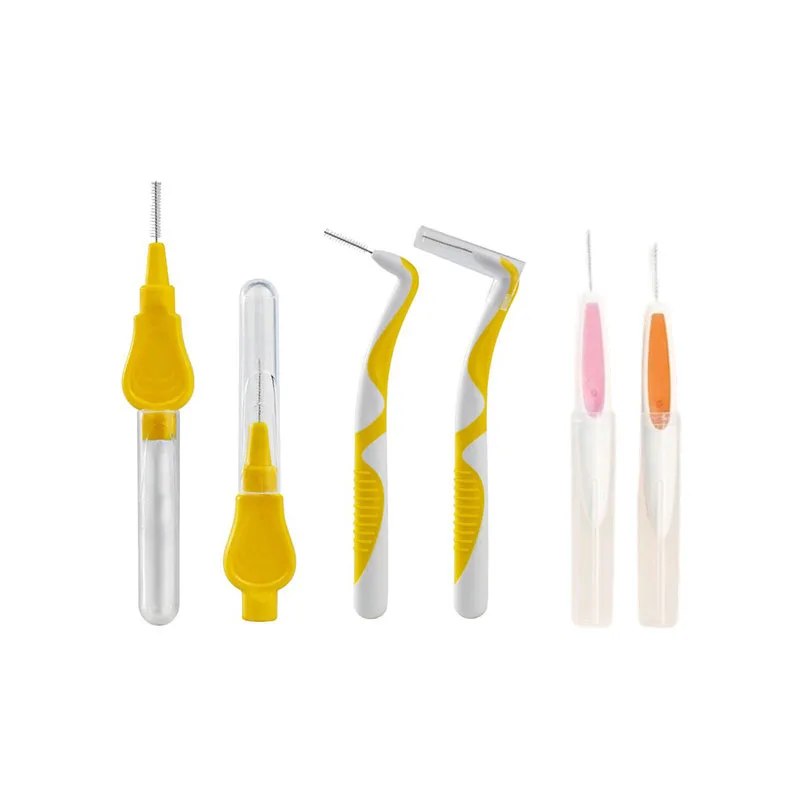
Interdental brushes are widely recognized as one of the most effective teeth cleaning tools for interdental plaque removal.
Clinical Role of Interdental Brushes
They are recommended for:
- Wider tooth gaps
- Orthodontic patients
- Implant maintenance
Clinical studies show up to 85% interdental plaque removal efficiency when used correctly.
Dental Floss Systems
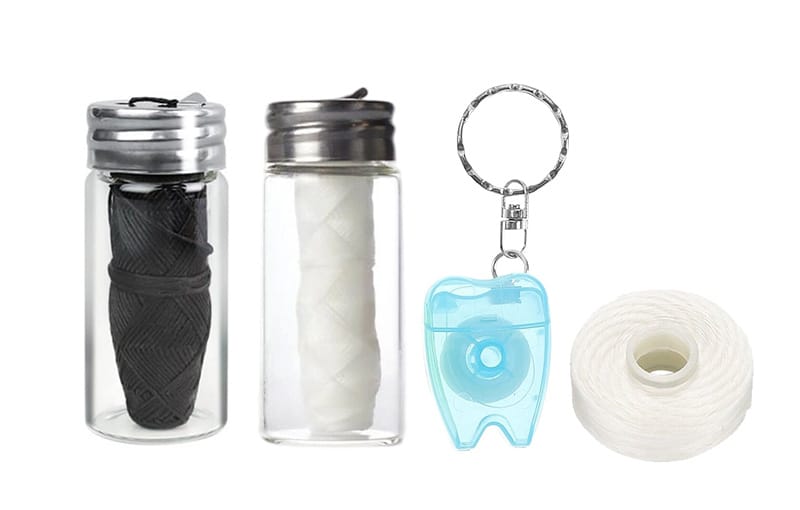
Floss is designed for tight contact points between teeth.
It works through mechanical friction to remove debris, but has limited effectiveness in wider spaces compared to interdental brushes.
Oral Irrigation Systems
Water flossers use pulsating water streams to remove debris.
They are particularly useful for:
- Sensitive gums
- Orthodontic appliances
- Implant maintenance
Tongue Cleaning Devices
Tongue scrapers remove bacterial buildup that contributes to bad breath.
Research indicates that up to 60% of oral malodor originates from tongue coating bacteria.
Types of Interdental Brush in Teeth Cleaning Tools Category
Angled Interdental Brush
Designed for posterior access, especially molar regions.
It improves reachability in deep oral zones where straight tools are less effective.
Flexible Interdental Brush
Features bendable wire structures.
It adapts to irregular tooth alignment and orthodontic conditions.
Orthodontic Interdental Brush
Specialized for braces users.
It removes food particles trapped around brackets and wires.
Clinical-Grade Interdental Brush
Used in dental clinics for pre-treatment cleaning procedures.
It offers higher durability and precision control.
Teeth Cleaning Tools Comparison Table
| Tool Type | Best For | Efficiency | Ease of Use | Limitation |
|---|---|---|---|---|
| Interdental Brush | Gaps & braces | Very High | Easy | Needs correct size |
| Dental Floss | Tight teeth | Medium | Moderate | Technique-sensitive |
| Water Flosser | Sensitive gums | High | Easy | Equipment cost |
| Tongue Scraper | Breath control | Medium | Very Easy | Limited function |
| Electric Brush | Daily brushing | High | Easy | Battery dependence |
How Teeth Cleaning Tools Improve Oral Health
Plaque Control Mechanism
These tools disrupt bacterial biofilm before it hardens into tartar.
This significantly reduces long-term dental complications.
Gum Line Cleaning Function
The gum line is a high-risk area for bacterial accumulation.
Proper cleaning reduces:
- Inflammation
- Bleeding
- Gum recession risk
Interdental Cleaning Efficiency
Interdental cleaning removes up to 40% more plaque than brushing alone.
This makes it an essential step in oral hygiene routines.
Engineering Design Behind Teeth Cleaning Tools
Ergonomic Handle Design
Optimized grip structures reduce hand fatigue during cleaning.
This improves precision and usability during daily routines.
Wire Core Safety Structure
Modern interdental brushes use coated stainless steel cores.
This reduces gum trauma risk while maintaining flexibility.
Bristle Material Engineering
Common materials include:
- Nylon PA6 (standard use)
- PA610 (flexible use)
- Medical-grade filaments (clinical use)
Clinical Case Studies Using Teeth Cleaning Tools
Gingivitis Reduction Study
A 12-week clinical program showed:
- 62% reduction in gum bleeding
- 48% plaque reduction
- Improved periodontal stability
Orthodontic Oral Care Case
Patients using braces showed:
- 70% fewer white spot lesions
- Improved gum health stability
Implant Maintenance Study
Interdental brush users experienced:
- 55% reduction in peri-implant inflammation
Public Health and Industry Data
WHO reports:
- 3.5 billion people affected by oral diseases
- 2.3 billion have untreated caries
- Only 30% perform daily interdental cleaning
This highlights the global importance of teeth cleaning tools adoption.
Material Standards and Compliance
ISO Standards
- ISO 20126: toothbrush requirements
- ISO 22254: filament testing
- ISO 16409: interdental brush specifications
Regulatory Compliance
High-quality oral tools must meet:
- FDA medical device standards
- CE certification
- Biocompatibility testing (ISO 10993)
How to Choose Teeth Cleaning Tools
Selection by Dental Condition
- Tight spacing → floss
- Wide gaps → interdental brush
- Braces → flexible interdental tools
- Implants → soft bristle brushes
Buyer Evaluation Checklist
- Bristle softness grade
- Handle ergonomics
- Wire coating safety
- Size range availability
- Replacement cycle
Usage Protocol for Teeth Cleaning Tools

Daily Routine
Morning:
- Electric brushing
- Tongue cleaning
Evening:
- Interdental cleaning
- Optional floss or water irrigation
Professional Dental Routine
Dentists recommend:
- Interdental cleaning before brushing
- Brushing for 2 minutes minimum
- Regular deep cleaning checkups
Innovations in Teeth Cleaning Tools
Smart Oral Care Devices
Modern tools include:
- Pressure sensors
- AI brushing feedback
- Bluetooth tracking systems
Antibacterial Coating Technology
Silver-ion coatings reduce bacterial growth by up to 99%.
Sustainable Oral Care Materials
Eco-friendly developments include:
- Recyclable handles
- Biodegradable plastics
- Bamboo-based components
FAQ
What are teeth cleaning tools used for?
They remove plaque and debris from teeth, gums, and interdental spaces to prevent oral diseases.
Which teeth cleaning tools are most effective?
Interdental brushes are considered the most effective for interdental cleaning.
Can teeth cleaning tools replace brushing?
No. They are complementary and should be used alongside brushing.
Are interdental brushes safe for gums?
Yes, when correctly sized and used gently, they are safe and effective.
How often should teeth cleaning tools be used?
Dentists recommend daily use for optimal oral health.
Do electric tools improve cleaning results?
Yes. They improve consistency and plaque removal efficiency compared to manual brushing.
Conclusion
Modern oral healthcare relies on scientifically designed teeth cleaning tools to maintain long-term dental health. These tools go beyond basic brushing by targeting interdental spaces, gum lines, and bacterial biofilms.
With clinical validation, global health recommendations, and continuous technological innovation, oral hygiene tools have become essential components of preventive healthcare systems.
Consistent and correct use of these tools can significantly reduce dental disease risk, improve gum health, and support a long-lasting healthy smile.
Stay Connected! 🌟
Thanks for reading! If you enjoyed this article, don’t forget you can follow me on social media for more insights, updates, and behind-the-scenes content:
Facebook – Join the conversation and get the latest updates
YouTube – Watch tutorials, demos, and in-depth guides
Instagram – See tips, visuals, and daily inspiration
Let’s continue learning and growing together—stay connected and never miss a beat!