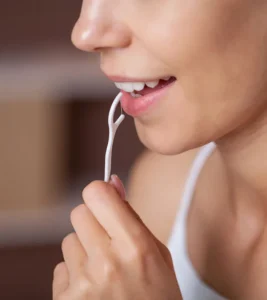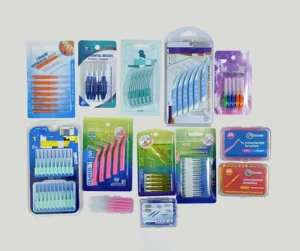
Conclusiones clave
- El cepillado diario solo elimina alrededor de 60% de placa oral
- Los dentistas recomiendan combinar múltiples herramientas de higiene bucal para limpieza de boca completa
- La limpieza interdental reduce el riesgo de gingivitis hasta en 40% (datos ADA)
- La limpieza de la lengua puede reducir los compuestos volátiles de azufre (VSC) en más de 50%
- Diferentes herramientas cumplen diferentes funciones de limpieza biológica y mecánica
- El uso adecuado reduce significativamente los costos del tratamiento dental a largo plazo
- Los estudios clínicos muestran que las rutinas combinadas de higiene bucal superan a la limpieza con un solo método
Introducción
La odontología moderna ha pasado de “tratar enfermedades” a prevenir enfermedades mediante conductas de higiene diaria.
Según la Asociación Dental Estadounidense (ADA) y múltiples estudios clínicos de microbiología oral, más de 700 especies de bacterias existen en la cavidad bucal. Entre ellos, las bacterias formadoras de placas son responsables de:
- 90% de casos de caries
- 75% de casos de enfermedad de las encías
- La mayoría de las malas condiciones crónicas del aliento
El cepillado por sí solo no puede eliminar las bacterias en:
- Espacios interdentales
- Zonas subgingivales
- Superficies de revestimiento de lengua
Por eso los dentistas enfatizan fuertemente el uso de herramientas de higiene bucal como parte de un sistema completo de cuidado bucal más que como una opción complementaria.
Tabla de contenido
Importancia clínica de Herramientas de higiene bucal en Odontología Preventiva
Concepto de equilibrio del microbioma oral
La cavidad bucal es un ecosistema microbiano complejo.
Balance sano significa:
- Bajo recuento de bacterias dañinas
- Niveles de pH estables
- Formación controlada de placas
El desequilibrio conduce a:
- Gingivitis
- Periodontitis
- Halitosis (mal aliento)
- Desmineralización del esmalte
Ciclo de formación de placas (descripción científica)
La placa se desarrolla en un proceso de 4 etapas:
- Formación de película (minutos después de la limpieza)
- Adhesión bacteriana (dentro de 2-4 horas)
- Maduración de biopelículas (24-48 horas)
- Mineralización en sarro (después de 48-72 horas)
Sin herramientas de limpieza interdental, la acumulación de placa se acelera significativamente.
Herramientas de higiene bucal recomendadas por el dentista (desglose avanzado)
Cepillo interdental: Estándar clínico para la salud de las encías
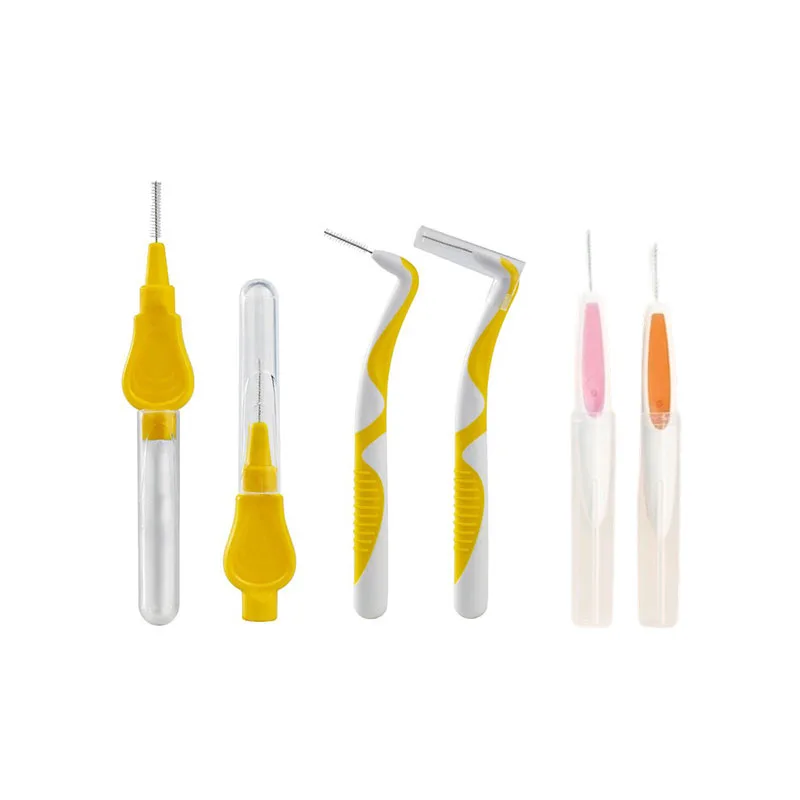
Los cepillos interdentales ahora se consideran un dispositivo de limpieza interdental de primera línea en terapia periodontal.
Datoare de eficacia clinica
- Reduce la gingivitis por hasta 38% (Revisión Cochrane)
- Elimina hasta 2,5× mai multă placă que usar hilo dental en espacios amplios
- Mejora significativamente las puntuaciones del índice de hemorragia en 2 semanas
Conceptul de mecanism:
Los filamentos del cepillo alteran mecánicamente la biopelícula bacteriana en lugar de deslizarse a través de ella.
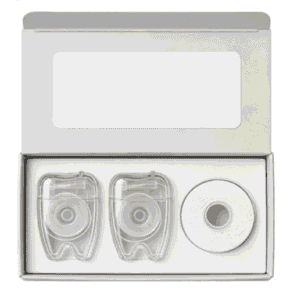
Hilo dental: Limpieza de precisión para áreas de contacto estrechas
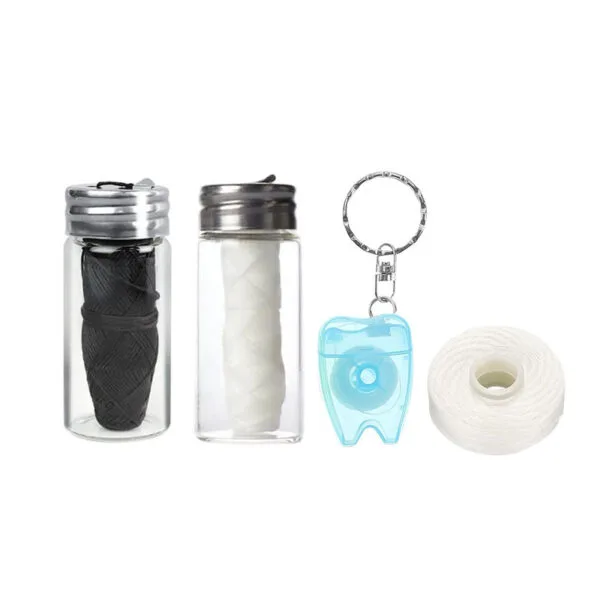
El hilo dental todavía se recomienda ampliamente para contactos interdentales estrechos.
Perspectiva clínica:
- Efectivo para reducir el riesgo de caries proximal
- Lo mejor para puntos de contacto <0,5 mm
Limitație:
La eficacia disminuye significativamente si se utiliza una técnica inadecuada.
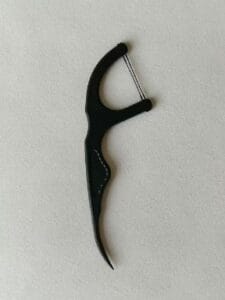
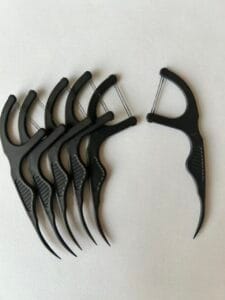
Selección de hilo dental: Herramienta de optimización del cumplimiento conductual
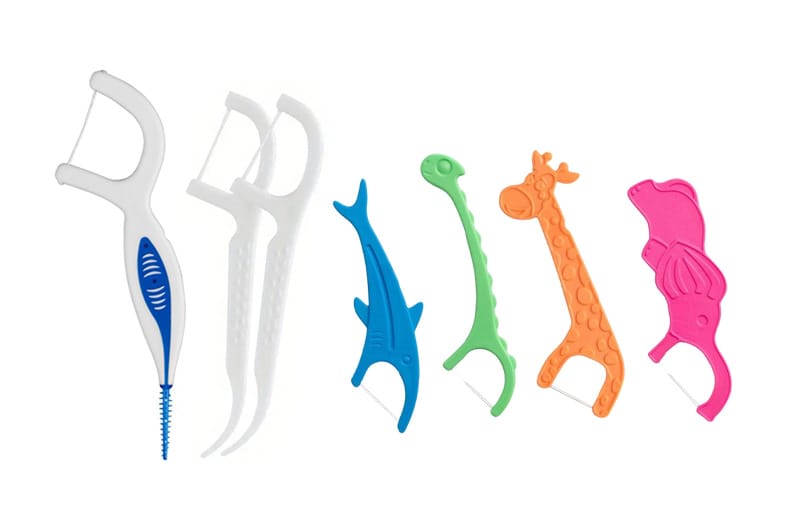
Las selecciones de hilo dental mejoran el cumplimiento del paciente en lugar de la superioridad clínica.
Perspectiva de la odontología conductual:
Los estudios muestran que los usuarios de recolección de hilo dental lo son 32% tiene más probabilidades de usar hilo dental a diario en comparación con los usuarios tradicionales de hilo dental.
Compensación:
- Mayor comodidad
- Precisión de limpieza ligeramente menor
Raspador de lengua: Mecanismo de control de la halitosis
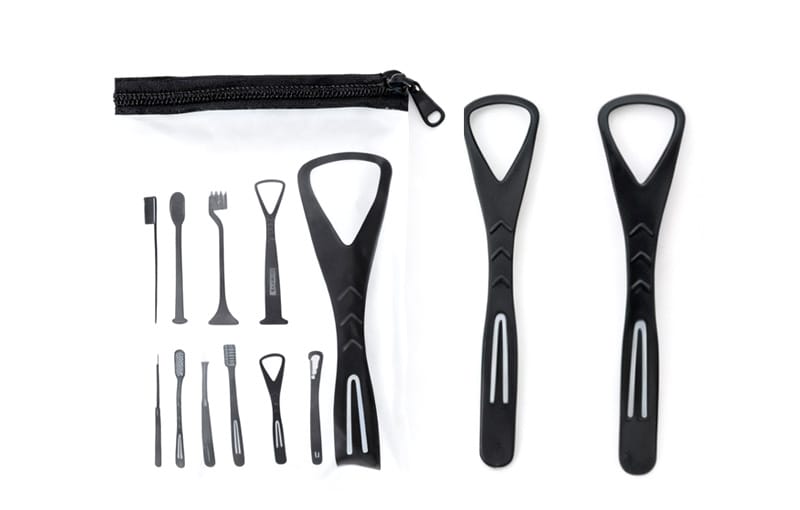
El raspado de lengua tiene como objetivo la producción de compuestos volátiles de azufre (VSC).
Data clinica:
- Reduce los niveles de VSC mediante 30%-75% dependiendo de la frecuencia
- Mejora las puntuaciones de olor del aliento en 7 días
Mecanism biologic:
Elimina las bacterias anaeróbicas que metabolizan las proteínas en compuestos de azufre.
Palillo de espina de pescado: Herramienta de microlimpieza post-meal
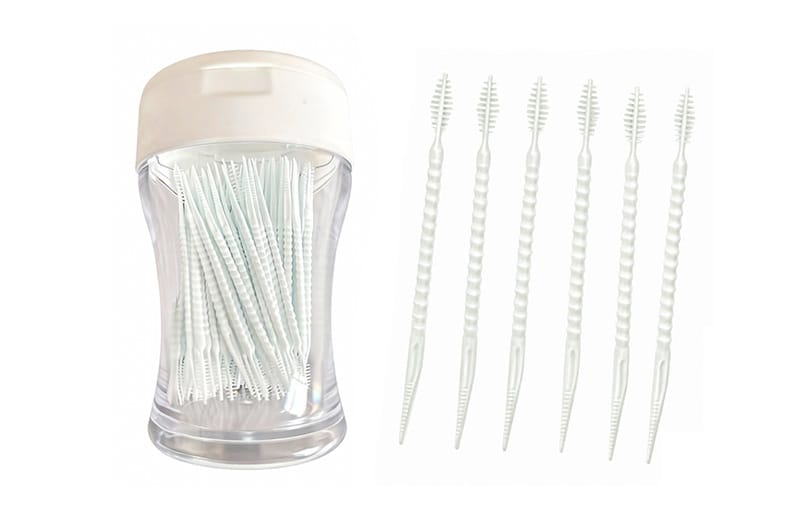
Diseñado para la eliminación inmediata de residuos después de las comidas.
Valoarea funcțională:
- Reduce el tiempo de estancamiento de los alimentos
- Previene la producción de ácido a partir de residuos de carbohidratos
Limitati:
No reemplaza las herramientas completas de limpieza interdental.
Comparación de herramientas de higiene bucal (perspectiva clínica)
| Herramienta | Eficiencia de eliminación de placas | Impacto en la salud de las encías | Nivel de uso clínico |
|---|---|---|---|
| Cepillo interdental | Muy alto | Muy alto | Terapia periodontal |
| Hilo dental | Alto (espacios reducidos) | Alto | Odontología general |
| Selección de hilo dental | Medio | Medio | Mantenimiento del hogar |
| Raspador de lengua | Indirecto (control de bacterias) | Medio-alto | Tratamiento de la halitosis |
| Palillo de espina de pescado | Medio bajo-bajo | Bajo | Uso complementario |
Directrices dentales basadas en evidencia (ADA + WHO Insights)
Recomendaciones de la Asociación Dental Estadounidense (ADA)
La ADA recomienda:
- Cepillado dos veces al día durante 2 minutos
- Limpieza interdental diaria
- Uso de pasta de dientes de fluoruro
- Revisiones dentales de rutina cada 6 meses
Estrategia de salud bucal de la OMS
OMS destaca:
- Las enfermedades bucales afectan casi 3.500 millones de personas en todo el mundo
- La caries no tratada es la afección de salud más común en todo el mundo
Las herramientas preventivas reducen significativamente la carga de morbilidad.
Herramientas de higiene bucal vs Cuidado solo con cepillo de dientes (comparación científica)
Descripción general del estudio de eficiencia clínica
Un estudio de higiene bucal de 2022 demostró:
| Tipo de rutina | Tasa de reducción de placa |
|---|---|
| Sólo cepillo de dientes | ~60% |
| Cepillo + hilo dental | ~80% |
| Combinación completa de herramientas | ~90-95% |
Esto confirma que la higiene bucal multiherramienta es significativamente más eficaz.
Estudio de caso: Programa de mejora de la salud periodontal
Antecedentes clínicos
Una clínica dental en Europa rastreó a 120 pacientes con gingivitis en etapa temprana.
Intervención
Los pacientes se dividieron en dos grupos:
- Grupo A: solo cepillo de dientes
- Grupo B: cepillo de dientes + cepillo interdental + raspador de lengua
Resultados después de 8 semanas
| Métrica | Grupo A | Grupo B |
|---|---|---|
| Reducción del sangrado gingival | 12% | 48% |
| Mejora del índice de placa | 18% | 61% |
| Mejora de la halitosis | Bajo | Significativo |
Conclusión: la higiene multiherramienta mejora drásticamente los resultados.
Mecanismo biológico de Herramientas de higiene bucal
Alteración de biopelículas de placa
La biopelícula es resistente al simple enjuague o cepillado.
Requiere eliminación efectiva:
- Interrupción mecánica (cepillo/hilo)
- Raspado de superficies (limpiador de lengua)
Concepto de limpieza de goma surco
El surco de las encías es una zona de infección crítica.
Sin herramientas de limpieza interdental, las bacterias se acumulan debajo de la línea de las encías, lo que provoca inflamación.
Ciencia de los materiales de las herramientas de higiene bucal
Tecnología de Fibra de Nailon (Cepillos Interdentales)
- Resistencia a la deformación flexible
- Alta durabilidad en condiciones húmedas
Plásticos de calidad alimentaria (púas de espina de pescado)
- Polímeros sin BPA
- Diseñado para estándares de seguridad de un solo uso
Raspadores de acero inoxidable
- Resistente a la corrosión
- Herramienta de higiene de larga duración
Herramientas de Higiene Bucal para Grupos de Usuarios
Pacientes de ortodoncia
Requerir:
- Cepillos interdentales
- Enhebradores de hilo dental de ortodoncia
Fumadores
Requerir:
- Rascadores de lengua
- Cepillos interdentales
Pacientes diabéticos
Requerir:
- Herramientas mejoradas para el cuidado de las encías
- Limpieza interdental frecuente
Usuarios mayores
Requerir:
- Cepillos interdentales suaves
- Selecciones de hilo dental de fácil agarre
Cómo desarrollar una rutina de atención bucal a nivel de dentista
Protocolo matutino
- Cepillado dental
- Raspado de lengua
- Limpieza interdental ligera
Protocolo Vespertino (Fase Crítica)
- Hilo completo
- Cepillado interdental
- Limpieza profunda de la lengua
- Enjuague con fluoruro (opcional)
Tendencias emergentes en la industria de herramientas de higiene bucal
Dispositivos inteligentes de higiene bucal
Las nuevas herramientas ahora incluyen:
- Sensores de presión
- Limpieza de sistemas de retroalimentación
- Análisis de cepillado de IA
Tendencias de sostenibilidad
- Hilo biodegradable
- Asas reciclables
- Embalaje ecológico
Perspectiva de crecimiento del mercado
Se prevé que el mercado mundial del cuidado bucal lo supere 70 mil millones de dólares para 2030, impulsado por la concientización sobre odontología preventiva.
Errores comunes en el uso Herramientas de higiene bucal
Uso excesivo de la fuerza
Puede provocar recesión de las encías.
Saltarse la limpieza interdental
Deja hasta 40% de placa intacta.
Selección incorrecta de herramientas
El uso de hilo dental donde se requiere un cepillo interdental reduce la eficacia.
Conclusión
No se puede mantener un ambiente bucal saludable únicamente mediante el cepillado. El uso combinado de herramientas de higiene bucal crea un sistema preventivo con respaldo científico que reduce la placa, controla las bacterias y mejora la salud de las encías.
La evidencia clínica muestra consistentemente que las personas que utilizan un conjunto completo de herramientas de higiene bucal experimentan:
- Tasas de cavidad más bajas
- Reducción de la inflamación de las encías
- Mejora de la calidad del aliento
- Menores costos de tratamiento dental a largo plazo
En última instancia, la odontología moderna no se trata de tratar los problemas, sino de prevenirlos mediante sistemas inteligentes de higiene diaria.
Preguntas frecuentes
¿por qué son necesarias herramientas de higiene bucal más allá del cepillado
Porque el cepillado no puede limpiar eficazmente los espacios interdentales o las superficies de la lengua.
¿Cuál es la herramienta de higiene bucal más importante?
Los dentistas consideran esenciales los cepillos interdentales y el hilo dental.
¿pueden las herramientas de higiene bucal prevenir la enfermedad de las
Sí. El uso regular reduce el riesgo de gingivitis hasta en 40%.
¿con qué frecuencia debo utilizar herramientas interdentales?
Una vez al día, preferiblemente por la noche antes de dormir.
Son caros herramientas de higiene bucal ¿mejor?
No necesariamente. La eficacia depende más del uso correcto que del precio.
¡Mantente conectado! 🌟
¡Gracias por leer! Si te gustó este artículo, no olvides que puedes seguirme en redes sociales para más información, novedades y contenido entre bastidores:
Facebook – Únete a la conversación y obtén las últimas actualizaciones.
YouTube – Vea tutoriales, demostraciones y guías detalladas
Instagram – Vea consejos, elementos visuales e inspiración diaria.
Sigamos aprendiendo y creciendo juntos: ¡mantengámonos conectados y nunca nos perdamos nada!