Key Takeaways
- Daily brushing only removes around 60% of oral plaque
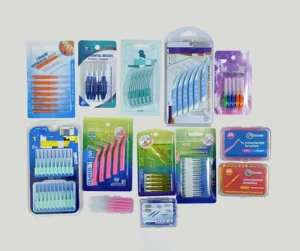
- Dentists recommend combining multiple oral hygiene tools for full-mouth cleaning
- Interdental cleaning reduces gingivitis risk by up to 40% (ADA data)
- Tongue cleaning can reduce volatile sulfur compounds (VSCs) by over 50%
- Different tools serve different biological and mechanical cleaning functions
- Proper usage significantly reduces long-term dental treatment costs
- Clinical studies show combined oral hygiene routines outperform single-method cleaning
Introduction
Modern dentistry has shifted from “treating disease” to preventing disease through daily hygiene behavior.
According to the American Dental Association (ADA) and multiple clinical oral microbiology studies, more than 700 species of bacteria exist in the oral cavity. Among them, plaque-forming bacteria are responsible for:
- 90% of tooth decay cases
- 75% of gum disease cases
- Most chronic bad breath conditions
Brushing alone cannot eliminate bacteria in:
- Interdental spaces
- Subgingival areas
- Tongue coating surfaces
This is why dentists strongly emphasize the use of oral hygiene tools as part of a complete oral care system rather than a supplementary option.
Table of Contents
Clinical Importance of Oral Hygiene Tools in Preventive Dentistry
Oral Microbiome Balance Concept
The oral cavity is a complex microbial ecosystem.
Healthy balance means:
- Low harmful bacteria count
- Stable pH levels
- Controlled plaque formation
Imbalance leads to:
- Gingivitis
- Periodontitis
- Halitosis (bad breath)
- Enamel demineralization
Plaque Formation Cycle (Scientific Overview)
Plaque develops in a 4-stage process:
- Pellicle formation (minutes after cleaning)
- Bacterial adhesion (within 2–4 hours)
- Biofilm maturation (24–48 hours)
- Mineralization into tartar (after 48–72 hours)
Without interdental cleaning tools, plaque accumulation accelerates significantly.
Dentist Recommended Oral Hygiene Tools (Advanced Breakdown)
Interdental Brush: Clinical Standard for Gum Health
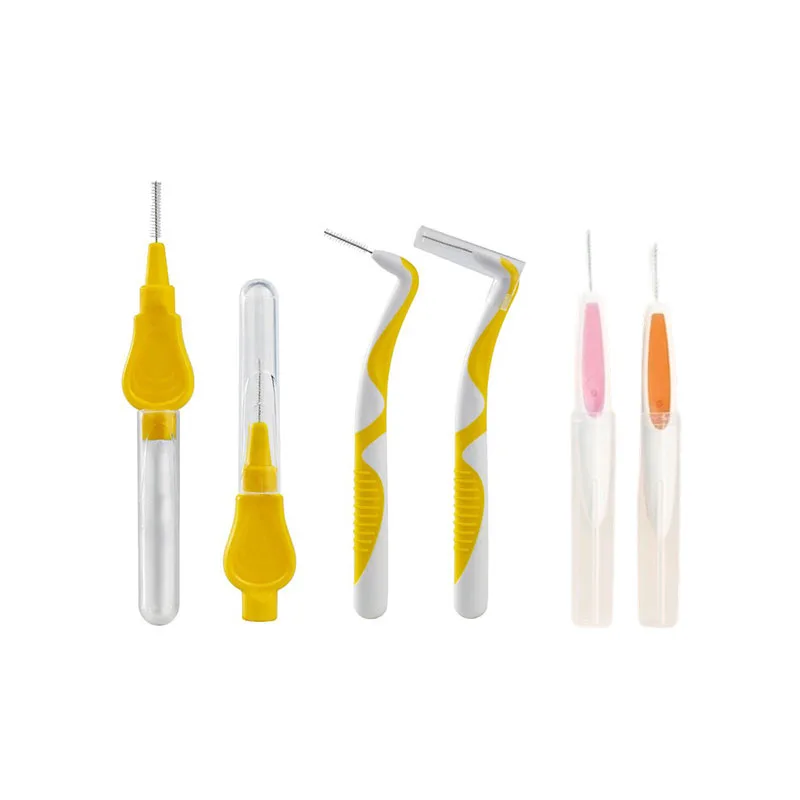
Interdental brushes are now considered a first-line interdental cleaning device in periodontal therapy.
Clinical effectiveness data:
- Reduces gingivitis by up to 38% (Cochrane Review)
- Removes up to 2.5× more plaque than floss in wide spaces
- Improves bleeding index scores significantly within 2 weeks
Mechanism concept:
The brush filaments disrupt bacterial biofilm mechanically rather than sliding through it.
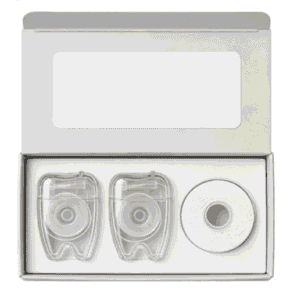
Dental Floss: Precision Cleaning for Tight Contact Areas
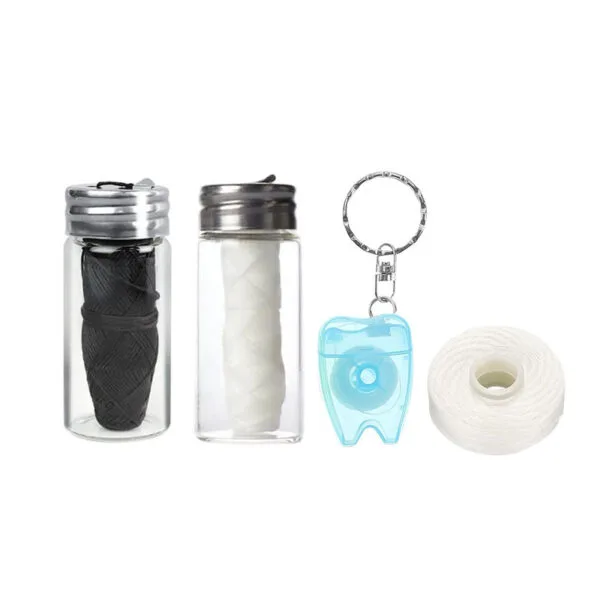
Dental floss is still widely recommended for tight interdental contacts.
Clinical insight:
- Effective in reducing proximal caries risk
- Best for contact points <0.5 mm
Limitation:
Effectiveness drops significantly if improper technique is used.
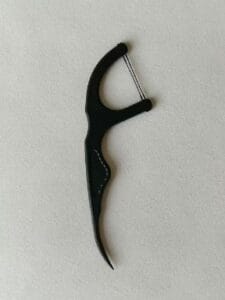
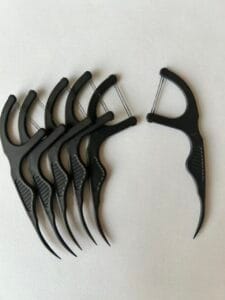
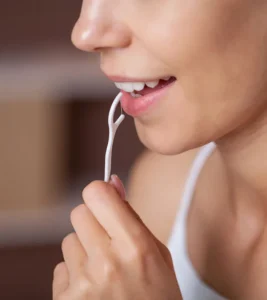
Floss Pick: Behavioral Compliance Optimization Tool
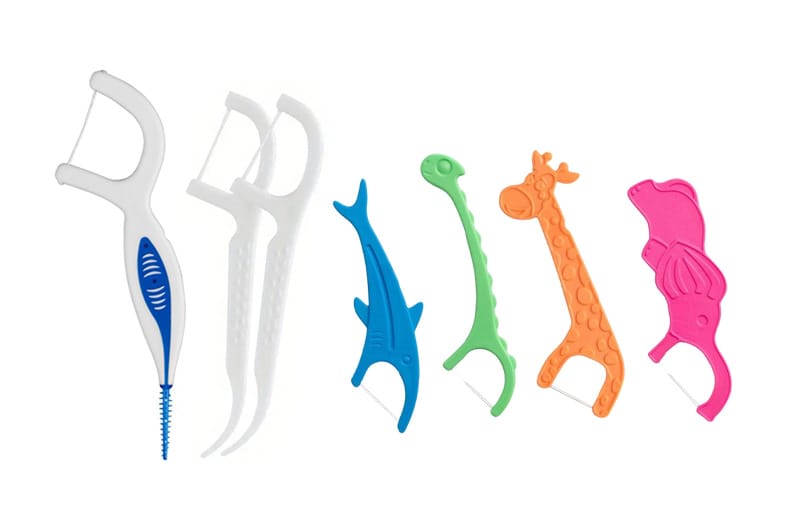
Floss picks improve patient compliance rather than clinical superiority.
Behavioral dentistry insight:
Studies show floss pick users are 32% more likely to floss daily compared to traditional floss users.
Trade-off:
- Higher convenience
- Slightly lower cleaning precision
Tongue Scraper: Halitosis Control Mechanism
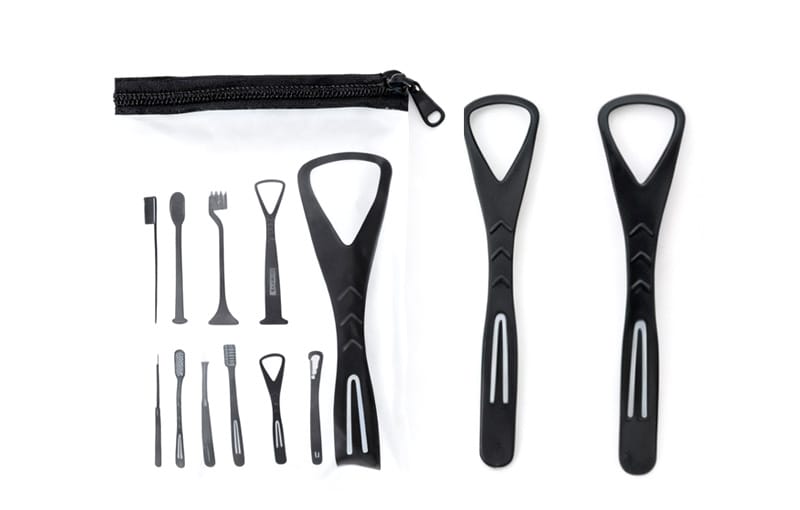
Tongue scraping targets volatile sulfur compound (VSC) production.
Clinical data:
- Reduces VSC levels by 30%–75% depending on frequency
- Improves breath odor scores within 7 days
Biological mechanism:
Removes anaerobic bacteria that metabolize proteins into sulfur compounds.
Fishbone Toothpick: Post-Meal Micro-Cleaning Tool
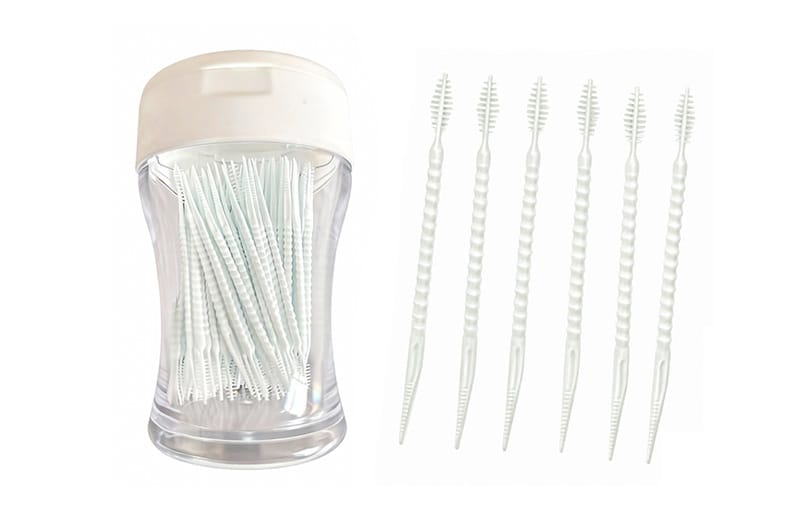
Designed for immediate debris removal after meals.
Functional value:
- Reduces food stagnation time
- Prevents acid production from carbohydrate residues
Limitations:
Not a replacement for full interdental cleaning tools.
Oral Hygiene Tools Comparison (Clinical Perspective)
| Tool | Plaque Removal Efficiency | Gum Health Impact | Clinical Use Level |
|---|---|---|---|
| Interdental Brush | Very High | Very High | Periodontal therapy |
| Dental Floss | High (tight spaces) | High | General dentistry |
| Floss Pick | Medium | Medium | Home maintenance |
| Tongue Scraper | Indirect (bacteria control) | Medium–High | Halitosis treatment |
| Fishbone Toothpick | Low–Medium | Low | Supplementary use |
Evidence-Based Dental Guidelines (ADA + WHO Insights)
American Dental Association (ADA) Recommendations
The ADA recommends:
- Brushing twice daily for 2 minutes
- Daily interdental cleaning
- Fluoride toothpaste usage
- Routine dental check-ups every 6 months
WHO Oral Health Strategy
WHO highlights:
- Oral diseases affect nearly 3.5 billion people globally
- Untreated caries is the most common health condition worldwide
Preventive tools significantly reduce disease burden.
Oral Hygiene Tools vs Toothbrush-Only Care (Scientific Comparison)
Clinical Efficiency Study Overview
A 2022 oral hygiene study showed:
| Routine Type | Plaque Reduction Rate |
|---|---|
| Toothbrush only | ~60% |
| Brush + floss | ~80% |
| Full tool combination | ~90–95% |
This confirms that multi-tool oral hygiene is significantly more effective.
Case Study: Periodontal Health Improvement Program
Clinical Background
A dental clinic in Europe tracked 120 patients with early-stage gingivitis.
Intervention
Patients were divided into two groups:
- Group A: toothbrush only
- Group B: toothbrush + interdental brush + tongue scraper
Results after 8 weeks
| Metric | Group A | Group B |
|---|---|---|
| Gingival bleeding reduction | 12% | 48% |
| Plaque index improvement | 18% | 61% |
| Halitosis improvement | Low | Significant |
Conclusion: multi-tool hygiene dramatically improves outcomes.
Biological Mechanism of Oral Hygiene Tools
Plaque Biofilm Disruption
Biofilm is resistant to simple rinsing or brushing.
Effective removal requires:
- Mechanical disruption (brush/floss)
- Surface scraping (tongue cleaner)
Gum Sulcus Cleaning Concept
The gum sulcus is a critical infection zone.
Without interdental cleaning tools, bacteria accumulate below gum line, leading to inflammation.
Material Science of Oral Hygiene Tools
Nylon Fiber Technology (Interdental Brushes)
- Flexible deformation resistance
- High durability under wet conditions
Food-Grade Plastics (Fishbone Picks)
- BPA-free polymers
- Designed for single-use safety standards
Stainless Steel Scrapers
- Corrosion resistant
- Long lifespan hygiene tool
Oral Hygiene Tools for Specific User Groups
Orthodontic Patients
Require:
- Interdental brushes
- Orthodontic floss threaders
Smokers
Require:
- Tongue scrapers
- Interdental brushes
Diabetes Patients
Require:
- Enhanced gum care tools
- Frequent interdental cleaning
Elderly Users
Require:
- Soft interdental brushes
- Easy-grip floss picks
How to Build a Dentist-Level Oral Care Routine
Morning Protocol
- Tooth brushing
- Tongue scraping
- Light interdental cleaning
Evening Protocol (Critical Phase)
- Full flossing
- Interdental brushing
- Deep tongue cleaning
- Fluoride rinse (optional)
Emerging Trends in Oral Hygiene Tools Industry
Smart Oral Hygiene Devices
New tools now include:
- Pressure sensors
- Cleaning feedback systems
- AI brushing analytics
Sustainability Trends
- Biodegradable floss
- Recyclable handles
- Eco-friendly packaging
Market Growth Insight
Global oral care market is projected to exceed USD 70 billion by 2030, driven by preventive dentistry awareness.
Common Mistakes in Using Oral Hygiene Tools
Overuse of Force
Can cause gum recession.
Skipping Interdental Cleaning
Leaves up to 40% of plaque untouched.
Incorrect Tool Selection
Using floss where interdental brush is required reduces effectiveness.
Conclusion
A healthy oral environment cannot be maintained through brushing alone. The combined use of oral hygiene tools creates a scientifically supported preventive system that reduces plaque, controls bacteria, and improves gum health.
Clinical evidence consistently shows that individuals who use a full set of oral hygiene tools experience:
- Lower cavity rates
- Reduced gum inflammation
- Improved breath quality
- Lower long-term dental treatment costs
Ultimately, modern dentistry is not about treating problems—it is about preventing them through intelligent daily hygiene systems.
FAQ
Why are oral hygiene tools necessary beyond brushing?
Because brushing cannot clean interdental spaces or tongue surfaces effectively.
What is the most important oral hygiene tool?
Interdental brushes and floss are considered essential by dentists.
Can oral hygiene tools prevent gum disease?
Yes. Regular use reduces gingivitis risk by up to 40%.
How often should I use interdental tools?
Once daily, preferably at night before sleep.
Are expensive oral hygiene tools better?
Not necessarily. Effectiveness depends more on correct usage than price.
Stay Connected! 🌟
Thanks for reading! If you enjoyed this article, don’t forget you can follow me on social media for more insights, updates, and behind-the-scenes content:
Facebook – Join the conversation and get the latest updates
YouTube – Watch tutorials, demos, and in-depth guides
Instagram – See tips, visuals, and daily inspiration
Let’s continue learning and growing together—stay connected and never miss a beat!