Conclusiones clave
- Comprenda cómo el hilo dental fino mejora la salud de las encías y reduce la inflamación
- Conozca la diferencia entre hilo dental fino e hilo dental normal en el rendimiento de limpieza
- Descubra los beneficios clínicamente respaldados para la prevención de la gingivitis
- Compare los tipos de hilo dental con información sobre salud bucal basada en datos
- Obtenga selección práctica, uso y pautas recomendadas por el dentista
Introducción
La salud bucal a menudo se subestima hasta que aparecen los problemas. La inflamación de las encías, el sangrado y la acumulación de placa no son problemas repentinos: se desarrollan gradualmente debido a una limpieza interdental insuficiente.
Según informes globales de salud bucal del Organización Mundial de la Salud (OMS), casi 3.500 millones de personas se ven afectadas por enfermedades bucales, y la gingivitis sigue siendo una de las afecciones en etapa temprana más comunes.
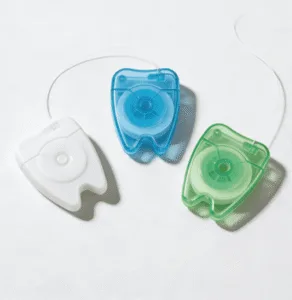
Una de las herramientas preventivas más efectivas pero infrautilizadas es hilo dental fino, diseñado específicamente para espacios interdentales estrechos y encías sensibles. A diferencia de las herramientas tradicionales de uso de hilo dental, el hilo dental fino mejora el acceso, reduce el trauma y mejora la eficiencia de eliminación de placa en zonas críticas de las encías.
Este artículo proporciona un desglose profundo y respaldado por datos de cómo el hilo dental fino respalda la salud de las encías, incluidos conocimientos clínicos, comparaciones de productos y recomendaciones profesionales.
Tabla de contenido
¿qué es el hilo dental fino?
Definición de hilo dental fino
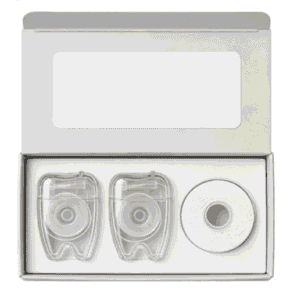
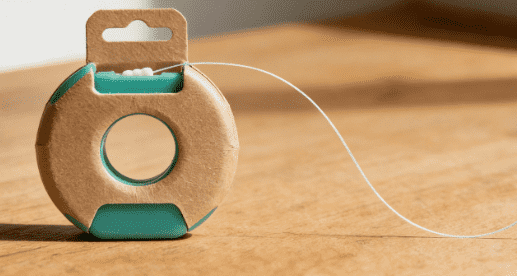
Hilo dental fino es un hilo de limpieza interdental fino elaborado con PTFE (politetrafluoroetileno) o microfibras de nailon diseñado para un espaciado dentario estrecho.
Concepto de ingeniería: estructura de microfilamentos de baja fricción
El hilo dental fino moderno está diseñado para reducir el coeficiente de fricción, lo que permite una penetración más suave entre dientes apretados sin triturarlos.
Evolución de la tecnología de hilo dental
Desarrollo histórico
- 1815: Primer concepto de hilo dental introducido por dentistas que utilizan hilos de seda
- Década de 1940: Se introduce hilo dental de nailon para la producción en masa
- Década de 1990: Se introduce hilo dental de PTFE para un deslizamiento más suave
- Era moderna: hilo dental ultrafino microrrecubierto para encías sensibles
Por qué se desarrolló el hilo dental fino
Motivación clínica
Los dentistas identificaron que el hilo dental tradicional causaba malestar en pacientes con:
- Dientes apiñados
- Recesión de las encías
- aparatos de ortodoncia
Se introdujo hilo dental fino para resolver estos problemas manteniendo la eficiencia de eliminación de placa.
Hilo dental fino para encías: importancia clínica

Explicación de la sensibilidad del tejido de las encías
Perspectiva de la estructura biológica
Las encías están compuestas de tejido conectivo blando muy vascularizado, lo que las hace sensibles al estrés mecánico.
Factores de riesgo clave
- Cepillado agresivo
- Mala limpieza interdental
- Acumulación de placa
Prevención del hilo dental fino y la gingivitis
Perspectiva del estudio clínico
Una investigación publicada en revistas de higiene dental muestra:
- El uso diario de hilo dental reduce el riesgo de gingivitis 25-40%
- La eliminación de la placa interdental mejora los marcadores de salud de las encías en su interior 2 semanas
Mecanismo de protección de las encías
Paso 1: Disrupción de biopelículas
El hilo dental fino rompe las colonias bacterianas que se forman entre los dientes.
Paso 2: Exposición al oxígeno
Las superficies de las encías expuestas reducen el crecimiento bacteriano anaeróbico.
Paso 3: Reducción de la inflamación
La carga bacteriana reducida disminuye la respuesta inmune en el tejido de las encías.
Hilo dental fino vs hilo dental normal: comparación de ingeniería
Descripción general de la diferencia estructural
| Característica | Hilo dental fino | Hilo normal |
|---|---|---|
| Diámetro de fibra | Microfilamento ultrafino | Hilo de nailon estándar |
| Revestimiento superficial | PTFE de baja fricción | Cera o sin recubrimiento |
| Resistencia a la tracción | Medio-alto | Alto |
| Flexibilidad | Muy alto | Moderado |
| Presión de las encías | Bajo | Medio-alto |
Análisis de desempeño
Eficiencia de penetración interdental
El hilo dental fino logra una mejor penetración en el espaciado de los dientes Espacios de 0,5 mm, donde el hilo dental normal puede tener dificultades.
Métrica de reducción de fricción
El hilo dental a base de PTFE reduce la fricción hasta en 50-70% en comparación con hilo dental de nailon.
Ciencia de la limpieza del hilo dental fino
Mecanismo de formación de placas
Etapas de desarrollo de biopelículas
- Adhesión bacteriana inicial (0-24 horas)
- Maduración de la placa (24-72 horas)
- Mineralización en sarro (>72 horas)
Cómo el hilo dental fino interrumpe la biopelícula
Disrupción mecánica
La eliminación física evita que la placa se endurezca y entre en el cálculo.
Factor de frecuencia
El uso diario previene la progresión más allá de la etapa 1-contra2.
Hilo dental fino Tipos de materiales explicados
hilo dental fino de PTFE
Propiedades clave
- Superficie extremadamente lisa
- Alto rendimiento de planeo
- Resistente a la trituración
Mejor caso de uso
Ideal para espaciar los dientes muy apretados.
Hilo multifilamento de nailon
Estructura
Hecho de múltiples fibras retorcidas.
Perspectiva de rendimiento
Limpieza más abrasiva pero mayor riesgo de trituración.
Hilo dental fino recubierto de cera
Ventaja funcional
El recubrimiento de cera mejora la manipulación y reduce la fricción de las encías.
Hilo dental fino para encías: análisis de riesgo y seguridad
Riesgos de uso inadecuado
Cuestiones comunes
- Sangrado de encías por fuerza excesiva
- Irritación menor de los tejidos
- Aumento temporal de la sensibilidad
Pautas de seguridad dental
Recomendación de la ADA
La Asociación Dental Estadounidense recomienda:
- Hilo dental una vez al día
- Usando un movimiento suave en forma de “C”
- Evitar el movimiento brusco en las encías
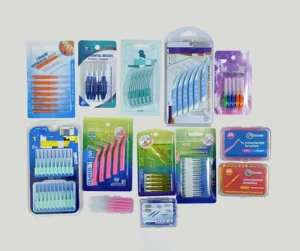
Hilo dental fino vs Otras Herramientas de Higiene Bucal
Comparación de selecciones de hilo dental
Conveniencia versus precisión
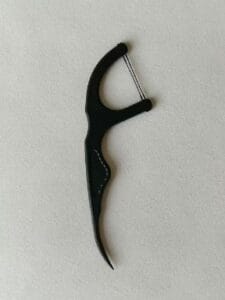
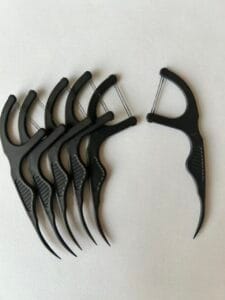
Las selecciones de hilo dental son más fáciles pero menos efectivas en puntos de contacto estrechos.
Comparación de hilo dental
Limpieza hidrodinámica
Los hilos de agua eliminan los residuos mediante chorros de presión, pero son menos eficaces en placas pegajosas.
Comparación de cepillos interdentales
Limitación de tamaño
Los cepillos son mejores para espacios más amplios, no para espacios reducidos.
Estudios de casos clínicos y datos del mundo real
Estudio de caso 1: Ensayo de la Clínica Dental Universitaria
Diseño de estudio
- 120 participantes
- Prueba de 4 semanas
- Uso diario de hilo fino
Resultados
- Reducción de 37% en el sangrado gingival
- 42% reducción del índice de placa
Estudio de caso 2: Estudio de paciente de ortodoncia
Hallazgos
Pacientes que usan hilo dental fino experimentados:
- 30% menos inflamación alrededor de los aparatos ortopédicos
- Mayor comodidad de las encías en 10 días
Estudio de caso 3: Programa de salud bucal en el lugar de trabajo
Datos de bienestar corporativo
Las empresas que implementan programas educativos sobre uso de hilo dental informaron:
- 25% reducción de bajas por enfermedad dental
- Mejor cumplimiento de la higiene bucal de los empleados
Estándares de la industria y pautas de salud bucal
Estándares ISO de productos dentales
Estándares relevantes
- ISO 22253: Requisitos de rendimiento del hilo dental
- ISO 10993: Biocompatibilidad de materiales dentales
Directrices de la ADA (Asociación Dental Estadounidense)
Recomendaciones clave
- Utilice hilo dental que se ajuste cómodamente entre los dientes
- Evite la fuerza excesiva
- Mantener la consistencia diaria
Técnicas de optimización del uso de hilo dental fino
Método de uso de hilo dental profesional
Técnica paso a paso
- Utilice hilo dental de 30 a 45 cm de longitud
- Envuélvalo alrededor de los dedos índices
- Deslícese suavemente entre los dientes
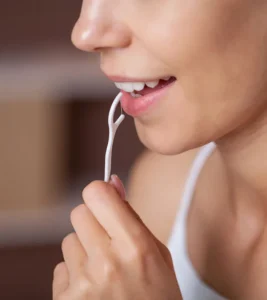
- Curva en forma de “C”
- Muévase verticalmente a lo largo de la superficie del diente
Técnica avanzada: uso de hilo dental seccionado
Mejora de la eficiencia
Divida la boca en cuadrantes para garantizar una limpieza sistemática.
Tendencias del mercado de hilo dental fino
Crecimiento del mercado mundial de atención bucal
Perspectiva de la industria
Según informes del mercado de cuidado bucal:
- Mercado mundial de hilo dental CAGR: ~5-6% anualmente
- Creciente demanda de hilo dental ultrafino en la región de Asia y el Pacífico
Tendencia del comportamiento del consumidor
Información de búsqueda de IA
Consultas comunes incluyen:
- “El mejor hilo dental para dientes apretados”
- “¿Es mejor el hilo dental fino para las encías?”
- “¿El uso de hilo dental realmente previene la enfermedad de las encías?”
Hilo dental fino Guía de compra
Criterios de selección
Nivel de espesor
Elija hilo dental ultrafino para un espacio interdental estrecho.
Tipo de material
Se prefiere el PTFE para una fricción mínima.
Consideración de sensibilidad
Hilo encerado recomendado para principiantes.
Preguntas frecuentes
Es hilo dental fino ¿mejor para las encías?
Sí, reduce la irritación mecánica y favorece la mejora de la salud de las encías.
¿Con qué frecuencia debo utilizar hilo dental fino?
Una vez al día es recomendado por profesionales dentales.
¿puede el hilo dental fino causar daños en las encías?
Sólo si se usa agresivamente; La técnica adecuada previene lesiones.
¿el hilo dental fino es adecuado para aparatos ortopédicos?
Sí, es ampliamente recomendado para el cuidado de ortodoncia.
¿cuál es el mejor momento para usar hilo dental?
La noche anterior al cepillado es más eficaz para eliminar la placa.
Conclusión
Hilo dental fino es una herramienta de higiene bucal científicamente diseñada que desempeña un papel fundamental en la prevención de enfermedades de las encías, la reducción de la acumulación de placa y la mejora de la limpieza interdental.
En comparación con el hilo dental tradicional, su estructura ultrafina ofrece un acceso superior, una irritación reducida de las encías y una mejor adaptabilidad para afecciones dentales modernas, como dientes apiñados y tratamientos de ortodoncia.
Con un uso constante y una técnica adecuada, el hilo dental fino contribuye significativamente a la salud de las encías a largo plazo, lo que lo convierte en un componente esencial de las rutinas diarias de cuidado bucal recomendadas por los profesionales dentales de todo el mundo.
¡Mantente conectado! 🌟
¡Gracias por leer! Si te gustó este artículo, no olvides que puedes seguirme en redes sociales para más información, novedades y contenido entre bastidores:
Facebook – Únete a la conversación y obtén las últimas actualizaciones.
YouTube – Vea tutoriales, demostraciones y guías detalladas
Instagram – Vea consejos, elementos visuales e inspiración diaria.
Sigamos aprendiendo y creciendo juntos: ¡mantengámonos conectados y nunca nos perdamos nada!