Principais conclusões
- Entenda como o fio dental fino melhora a saúde das gengivas e reduz a inflamação
- Aprenda a diferença entre fio dental fino e fio dental normal no desempenho de limpeza
- Descubra benefícios clinicamente suportados para a prevenção da gengivite
- Compare os tipos de fio dental com insights de saúde bucal baseados em dados
- Obtenha seleção prática, uso e diretrizes recomendadas pelo dentista
Introdução
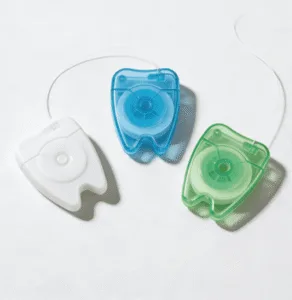
A saúde bucal é frequentemente subestimada até que surjam problemas. Inflamação gengival, sangramento e acúmulo de placa bacteriana não são problemas repentinos; eles se desenvolvem gradualmente devido à limpeza interdental insuficiente.
De acordo com relatórios globais de saúde bucal do Organização Mundial da Saúde (OMS), quase 3,5 mil milhões de pessoas são afetadas por doenças orais, e a gengivite continua sendo uma das condições mais comuns em estágio inicial.
Uma das ferramentas preventivas mais eficazes, porém subutilizadas, é fio dental fino, projetado especificamente para espaços interdentais apertados e gengivas sensíveis Ao contrário das ferramentas tradicionais de uso do fio dental, o fio dental fino melhora o acesso, reduz o trauma e aumenta a eficiência de remoção de placas em zonas críticas da gengiva.
Este artigo fornece uma análise profunda e apoiada por dados de como o fio dental fino suporta a saúde da gengiva, incluindo insights clínicos, comparações de produtos e recomendações profissionais.
Índice
O que é fio dental fino?
Definição de fio dental fino
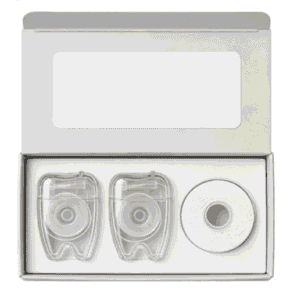
Fio dentário fino é um fio fino de limpeza interdental feito de PTFE (politetrafluoroetileno) ou microfibras de náilon projetado para espaçamento estreito dos dentes.
Conceito de Engenharia: Estrutura de Microfilamento de Baixo Fricção
O fio dental fino moderno é projetado para reduzir o coeficiente de atrito, permitindo uma penetração mais suave entre dentes bem compactados sem trituração.
Evolução da Tecnologia de Fio Dentário
Desenvolvimento Histórico
- 1815: Primeiro conceito de fio dental introduzido por dentistas usando fios de seda
- Década de 1940: Fio de nylon introduzido para produção em massa
- Década de 1990: Fio de PTFE introduzido para deslizamento mais suave
- Era moderna: fio dental ultrafino micro-revestido para gengivas sensíveis
Por que o fio dental fino foi desenvolvido
Motivação Clínica
Dentistas identificaram que o fio dental tradicional causava desconforto nos pacientes com
- Dentes aglomerados
- Recessão gengival
- Aparelhos ortodônticos
O fio dental fino foi introduzido para resolver esses problemas, mantendo a eficiência da remoção da placa.
Fio Dentário Fino para Gengivas: Importância Clínica

Sensibilidade do tecido gengival explicada
Visão da Estrutura Biológica
As gengivas são compostas por tecido conjuntivo mole altamente vascularizado, tornando-as sensíveis ao estresse mecânico.
Principais fatores de risco
- Escovação agressiva
- Má limpeza interdental
- Acumulação de placa
Fio Dentário Fino e Prevenção da Gengivite
Visão do Estudo Clínico
Pesquisas publicadas em revistas de higiene dental mostram:
- O uso diário do fio dental reduz o risco de gengivite 25 0%
- A remoção interdental da placa melhora os marcadores de saúde da gengiva dentro 2 semanas
Mecanismo de Proteção de Goma
Passo 1: Disrupção do Biofilme
O fio dental fino quebra colônias bacterianas que se formam entre os dentes.
Passo 2: Exposição ao Oxigênio
As superfícies expostas da gengiva reduzem o crescimento bacteriano anaeróbico.
Passo 3: Redução da Inflamação
A carga bacteriana reduzida diminui a resposta imune no tecido gengival.
Fio Dentário Fino vs Floss Regular: Comparação de Engenharia
Visão geral da diferença estrutural
| Recurso | Fio Dentário Fino | Fio Regular |
|---|---|---|
| Diâmetro Fibra | Microfilamento ultrafino | Fio nylon padrão |
| Revestimento Superfície | PTFE de baixo atrito | Cera ou não revestida |
| Resistência à tração | Médio | Alto |
| Flexibilidade | Muito alto | Moderado |
| Pressão Goma | Baixo | Médio |
Análise de desempenho
Eficiência da Penetração Interdental
O fio dental fino consegue melhor penetração no espaçamento dos dentes Folgas de 0,5 mm, onde o fio dental normal pode ter dificuldades.
Métrica de Redução de Fricção
O fio dental à base de PTFE reduz o atrito em até 500 em comparação com fio dental de náilon 0%.
Ciência de limpeza de fio dental fino
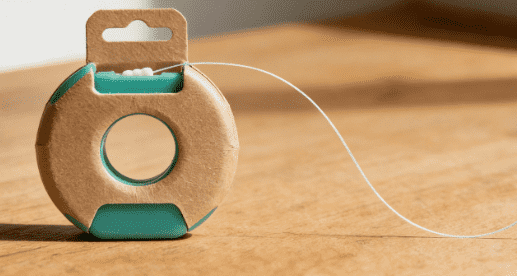
Mecanismo de Formação de Placas
Estágios de desenvolvimento de biofilme
- Adesão bacteriana inicial (2004 horas)
- Maturação da placa (24472 horas)
- Mineralização em tártaro (>72 horas)
Como o fio fino interrompe o biofilme
Perturbação Mecânica
A remoção física evita que a placa endureça em cálculo.
Fator Frequência
O uso diário impede a progressão além do estágio 12.
Fio Dentário Fino Tipos de materiais explicados
Fio Dentário Fino PTFE
Propriedades Chave
- Superfície extremamente lisa
- Alto desempenho de deslizamento
- Resistente à trituração
Caso de Melhor Uso
Ideal para espaçamento muito apertado dos dentes.
Fio Multifilamento Nylon
Estrutura
Feito de múltiplas fibras torcidas.
Visão de desempenho
Limpeza mais abrasiva, mas maior risco de trituração.
Fio Dentário Fino Revestido de Cera
Vantagem Funcional
O revestimento de cera melhora o manuseio e reduz o atrito da goma.
Fio Dentário Fino para gengivas: análise de risco e segurança
Riscos de uso inadequados
Questões Comuns
- Sangramento gengival por força excessiva
- Irritação tecidual menor
- Aumento temporário da sensibilidade
Diretrizes de segurança odontológica
Recomendação ADA
A American Dental Association recomenda
- Fio dental uma vez por dia
- Usando movimento suave de“ em forma de ”C
- Evitando movimentos nas gengivas
Fio Dentário Fino vs Outras Ferramentas de Higiene Oral
Comparação de escolhas de fio dental
Conveniência vs Precisão
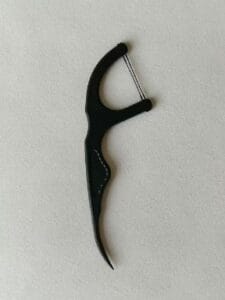
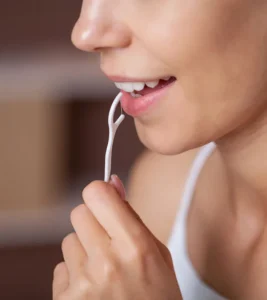
As palhetas de fio dental são mais fáceis, mas menos eficazes em pontos de contato apertados.
Comparação de fio dental
Limpeza Hidrodinâmica
Os fio dental removem detritos usando jatos de pressão, mas são menos eficazes em placas pegajosas.
Comparação de escovas interdentais
Limitação de tamanho
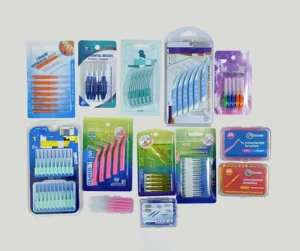
As escovas são melhores para folgas mais largas, não para espaçamentos apertados.
Estudos de casos clínicos e dados do mundo real
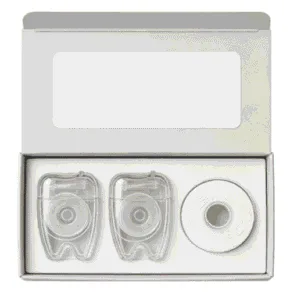
Estudo de caso 1: Ensaio em Clínica Odontológica Universitária
Projeto Estudo
- 120 participantes
- Teste de 4 semanas
- Uso diário de fio fino
Resultados
- Redução de 37% no sangramento gengival
- Redução de 42% no índice de placa
Estudo de caso 2: Estudo de Pacientes Ortodônticos
Achados
Pacientes em uso de fio dental fino experimentaram:
- 30% menos inflamação ao redor dos aparelhos
- Melhor conforto gengival em 10 dias
Estudo de Caso 3: Programa de Saúde Bucal no Local de Trabalho
Dados de bem-estar corporativo
As empresas que implementam programas de educação sobre o uso do fio dental relataram:
- Redução de 25% nas licenças médicas relacionadas com dentistas
- Melhor conformidade com a higiene bucal dos funcionários
Padrões da Indústria e Diretrizes de Saúde Bucal
padrões de produtos odontológicos ISO
Padrões Relevantes
- ISO 22253: Requisitos de desempenho do fio dental
- ISO 10993: Biocompatibilidade de materiais dentários
Diretrizes da ADA (American Dental Association)
Principais recomendações
- Use fio dental que se encaixe confortavelmente entre os dentes
- Evite força excessiva
- Mantenha a consistência diária
Técnicas de otimização de uso de fio dentário fino
Método de uso profissional de fio dental
Técnica Passo a Passo
- Use fio dental de 30045 cm de comprimento
- Enrole os dedos indicadores
- Deslize suavemente entre os dentes
- Curve-se em forma de “C”
- Mova-se verticalmente ao longo da superfície do dente
Técnica Avançada: Fio Seccionado
Melhoria Eficiência
Divida a boca em quadrantes para garantir uma limpeza sistemática.
Tendências do mercado de fio dentário fino
Crescimento global do mercado de cuidados bucais
Visão da indústria
De acordo com os relatórios do mercado de cuidados bucais:
- Mercado global de fio dental CAGR: ~5 % anualmente
- Aumento da demanda por fio dental ultrafino na região Ásia-Pacífico
Tendência de Comportamento do Consumidor
Informações de pesquisa de IA
As consultas comuns incluem:
- “Melhor fio dental para dentes apertados”
- “O fio dental fino é melhor para gengivas?”
- “O uso do fio dental realmente previne doenças gengivais?”
Fio Dentário Fino Guia Compra
Critérios Seleção
Nível Espessura
Escolha fio dental ultrafino para espaçamento interdental apertado.
Tipo de material
PTFE preferido para atrito mínimo.
Consideração Sensibilidade
Fio encerado recomendado para iniciantes.
Perguntas frequentes
É fio dental fino melhor para gengivas?
Sim, reduz a irritação mecânica e apoia a melhoria da saúde das gengivas.
Com que frequência devo usar fio dental fino?
Uma vez ao dia é recomendado por profissionais de odontologia.
O fio dental fino pode causar danos às gengivas?
Somente se usado agressivamente; a técnica adequada evita lesões.
O fio dental fino é adequado para aparelhos?
Sim, é amplamente recomendado para cuidados ortodônticos.
Qual é a melhor altura para usar fio dental?
A noite antes da escovação é mais eficaz para a remoção da placa bacteriana.
Conclusão
Fio dentário fino é uma ferramenta de higiene bucal cientificamente projetada que desempenha um papel crítico na prevenção de doenças gengivais, na redução do acúmulo de placa bacteriana e na melhoria da limpeza interdental.
Comparado ao fio dental tradicional, sua estrutura ultrafina oferece acesso superior, irritação gengival reduzida e melhor adaptabilidade para condições dentárias modernas, como dentes lotados e tratamentos ortodônticos.
Com uso consistente e técnica adequada, o fio dental fino contribui significativamente para a saúde gengival a longo prazo, tornando-o um componente essencial das rotinas diárias de cuidados bucais recomendadas por profissionais de odontologia em todo o mundo.
Mantenha-se conectado! 🌟
Obrigado pela leitura! Se você gostou deste artigo, não se esqueça de me seguir nas redes sociais para mais informações, atualizações e conteúdo exclusivo dos bastidores:
Facebook – Participe da conversa e receba as últimas atualizações.
YouTube – Assista a tutoriais, demonstrações e guias detalhados.
Instagram – Veja dicas, imagens e inspiração diária.
Vamos continuar aprendendo e crescendo juntos — mantenham-se conectados e não percam nada!