Introdução
A saúde bucal evoluiu rapidamente de uma rotina básica de higiene para um sistema de saúde preventiva cientificamente estruturado Em 2026, ferramentas de higiene dental não são mais produtos de consumo opcionais; são componentes essenciais das estratégias globais de medicina preventiva.
De acordo com relatórios internacionais de saúde bucal publicados por organizações como a Organização Mundial da Saúde (OMS), quase 3,5 bilhões de pessoas em todo o mundo são afetados por doenças bucais, tornando-os uma das condições de saúde não transmissíveis mais comuns em todo o mundo. Isso impulsionou uma forte demanda por sistemas avançados de higiene bucal, incluindo ferramentas de limpeza à base de fio dental, pincéis interdentais, raspadores de língua e instrumentos de limpeza projetados com precisão.
Dados da indústria de pesquisas de mercado de cuidados bucais indicam:
- Valor global do mercado de cuidados bucais excede 5550 mil milhões de dólares e continua crescendo continuamente
- A demanda por produtos de limpeza interdental está aumentando 6% CAGR anualmente
- Sobre 701TP3 T dos dentistas recomendam a limpeza interdental diária além da escovação
- Ferramentas de higiene dental de nível profissional são cada vez mais adotadas nas rotinas de atendimento domiciliar
Este guia fornece uma análise técnica, clínica e orientada para o mercado abrangente de sistemas modernos de higiene dental, incluindo ciência dos materiais, classificação de produtos, comparação de desempenho e aplicações de uso no mundo real.
Índice
Fundação Clínica de Ferramentas de Higiene Dentária em Sistemas Modernos de Cuidados Bucais
O que define um sistema de ferramentas de higiene dentária?
Um sistema moderno de cuidados bucais é composto por múltiplos ferramentas de higiene dental, cada um concebido para visar zonas específicas de biofilme oral que as escovas de dentes não conseguem atingir eficazmente.
Esses sistemas normalmente incluem:
- Dispositivos de limpeza interdental
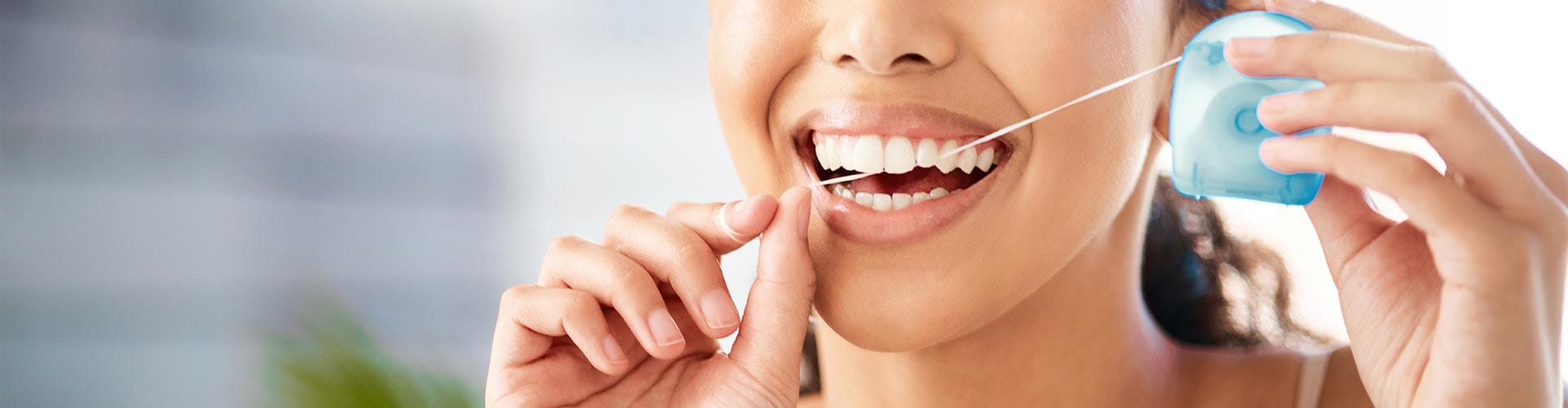
- Sistemas de fio dental
- Instrumentos de limpeza de língua
- Limpadores de superfície de dentes de precisão
Ciência do Biofilme Oral e Formação de Placas
Processo de Formação de Biofilme
A placa dentária é um biofilme microbiano estruturado que se desenvolve em etapas:
- Adesão bacteriana inicial
- Formação microcolônia
- Desenvolvimento maduro do biofilme
- Mineralização em cálculo
Importância Clínica
Se não for removido, o biofilme pode levar a
- Gengivite
- Periodontite
- Decadência dentária
- Halitose (mau hálito)
Por que a escova de dentes sozinha não é suficiente
Mesmo as escovas de dentes de alta qualidade só limpam aproximadamente 60% das superfícies dos dentes. O restante 40% inclui áreas interdentais e subgengivais, que requerem ferramentas especializadas de higiene dental.
Classificação Avançada de Ferramentas de Higiene Dentária
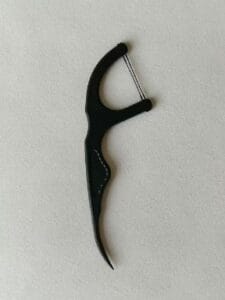
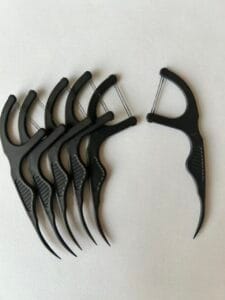
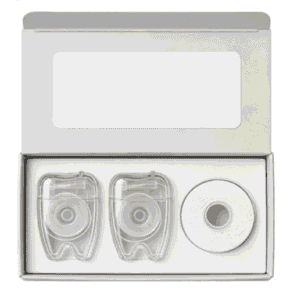
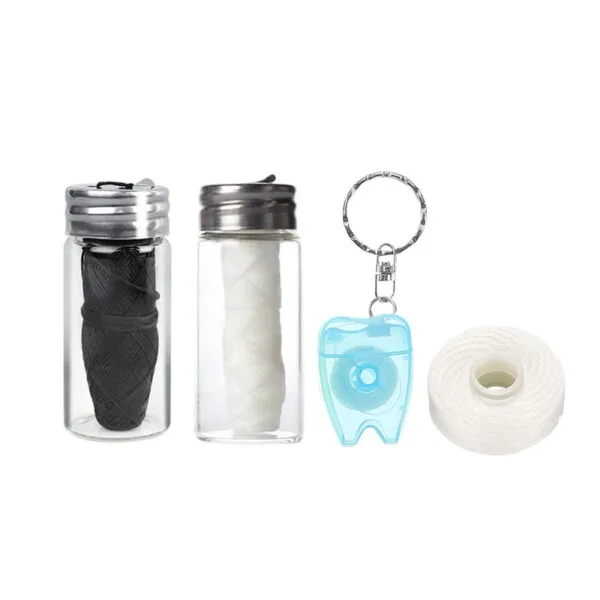
Sistemas de fio dental (Rolos & Escolhas)
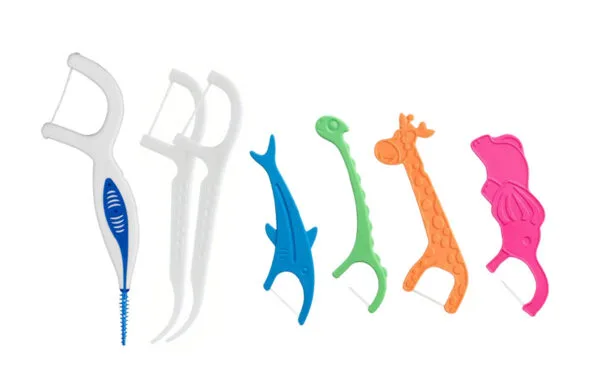
Conceito de Design de Engenharia
Os sistemas de fio dental são projetados para remoção de placa bacteriana baseada em fricção entre contatos dentários apertados.
Tipos de Ferramentas Floss
- Fio encerado (baixa fricção, inserção mais fácil)
- Fio não encerado (limpeza de maior fricção)
- Escolhas de fio dental (design estruturado amigável)
Visão de desempenho clínico
Estudos mostram que o uso do fio dental pode reduzir a placa interdental até 40% 40% quando usado corretamente.
Escovas interdentais (Ferramentas de limpeza de alta eficiência)
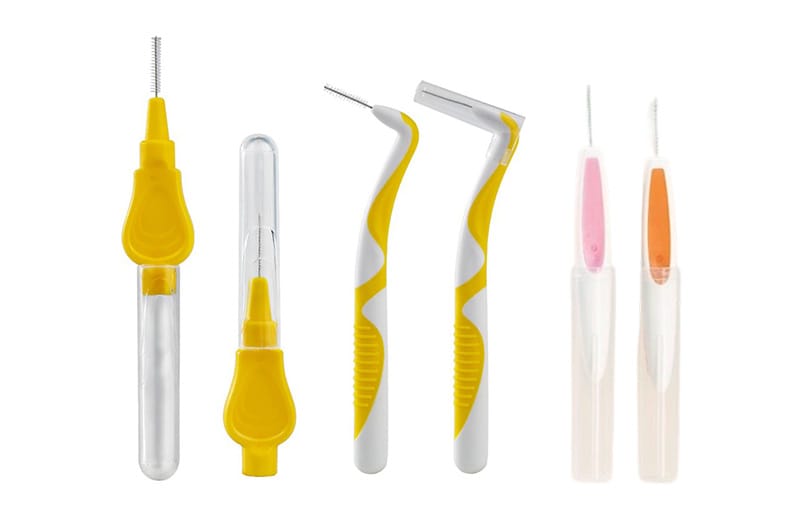
Projeto de Engenharia Estrutural
As escovas interdentais consistem em
- Filamentos de cerdas de nylon
- Fio de núcleo de aço inoxidável ou polímero
- Design ergonômico do punho
Vantagem Desempenho
Em comparação com o fio dental, as escovas interdentais fornecem:
- Maior eficiência de remoção de placas em espaços abertos
- Melhor estimulação gengival
- Melhor acessibilidade para pacientes ortodônticos
Recomendação Clínica
Os dentistas recomendam frequentemente escovas interdentais para pacientes com
- Doença periodontal
- Implantes dentários
- Aparelhos ortodônticos
Sistemas de Limpeza de Língua
Função Biológica da Superfície da Língua
A língua abriga densas colônias bacterianas responsáveis por:
- Compostos voláteis de enxofre (mau hálito)
- Desequilíbrio microbiano
- Sensibilidade ao paladar reduzida
Conceito de engenharia de raspadores de língua
Uso moderno de raspadores:
- Geometria ergonômica curva
- Polímeros macios de grau médico
- Superfícies de limpeza de borda dupla
Palitos de precisão e ferramentas de microlimpeza
Evolução do Design Moderno
Os palitos de madeira tradicionais evoluíram para ferramentas de higiene bucal projetadas.
Estrutura de palito de peixe
Os recursos incluem:
- Superfícies de limpeza multi-contato
- Material de polímero flexível
- Design de trauma gengival reduzido
Ferramentas de Higiene Dentária Ciência e Engenharia de Materiais
Sistemas de materiais poliméricos em ferramentas de higiene bucal
Materiais Comuns
- PP (Polipropileno)
- PE (Polietileno)
- TPE de nível médico
Vantagens Engenharia
- Alta flexibilidade
- Baixo custo de produção
- Conformidade segura do contato oral
Tecnologia de Fibra de Nylon em Escovas Interdentais
Propriedades Materiais
- Alta elasticidade
- Resistência desgaste
- Níveis de rigidez controlados
Impacto Clínico
O design da fibra de nylon afeta diretamente:
- Eficiência de limpeza
- Segurança gengiva
- Vida útil do produto
Normas de Biocompatibilidade e Segurança
Padrões Globais de Conformidade
- ISO 16409 (escovas interdentais)
- Diretrizes de materiais de cuidados bucais da FDA
- Regulamentos de conformidade com o REACH da UE
Tendências de mercado e insights da indústria (resumo do Livro Branco de 2026)
Expansão global do mercado de cuidados buc
Os relatórios da indústria indicam um forte crescimento impulsionado por:
- Populações envelhecidas
- Aumento da consciência dentária
- Adoção preventiva de cuidados de saúde
Mudança em direção à odontologia preventiva
Os sistemas de saúde modernos enfatizam:
- Prevenção sobre o tratamento
- Rotinas diárias de higiene oral
- Sistemas de atendimento odontológico domiciliar
Tendências de fabricação OEM e ODM
Capacidades Personalização
Os fabricantes modernos fornecem:
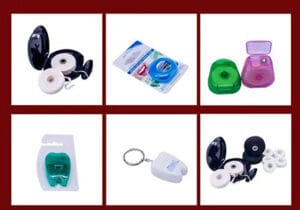
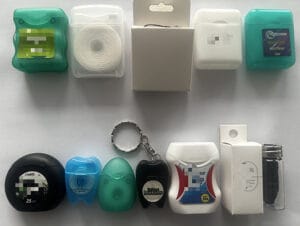
- Ferramentas de higiene dental de marca própria
- Projeto personalizado do molde
- Soluções de engenharia de embalagens
Exemplo Indústria
Empresas como Shandong Richsource Biological Technology Co., Ltd. concentre-se em Sistemas de produtos de higiene bucal OEM/ODM incluindo palhetas de fio dental, pincéis interdentais e limpadores de língua para mercados globais.
Estrutura de comparação de ferramentas de higiene dentária
Sistemas de cuidados bucais manuais versus estruturados
| Recurso | Ferramentas Manuais | Ferramentas estruturadas de higiene dentária |
|---|---|---|
| Eficiência Limpeza | Moderado | Alto |
| Direcionamento de precisão | Baixo | Alto |
| Recomendação Clínica | Uso básico | Cuidados avançados |
| Experiência Usuário | Simples | Sistema otimizado |
| Impacto na saúde bucal | Limitado | Abrangente |
Fio vs Escova Interdental vs Raspador de Língua
| Tipo de ferramenta | Função | Caso de Melhor Uso | Nível Eficiência |
|---|---|---|---|
| Fio dental | Lacunas apertadas | Dentes aglomerados | Médio |
| Escova interdental | Abrir lacunas | Doença gengival | Alto |
| Raspador de língua | Remoção bacteriana | Mau hálito | Alto |
Estudos de caso clínicos e industriais do mundo real
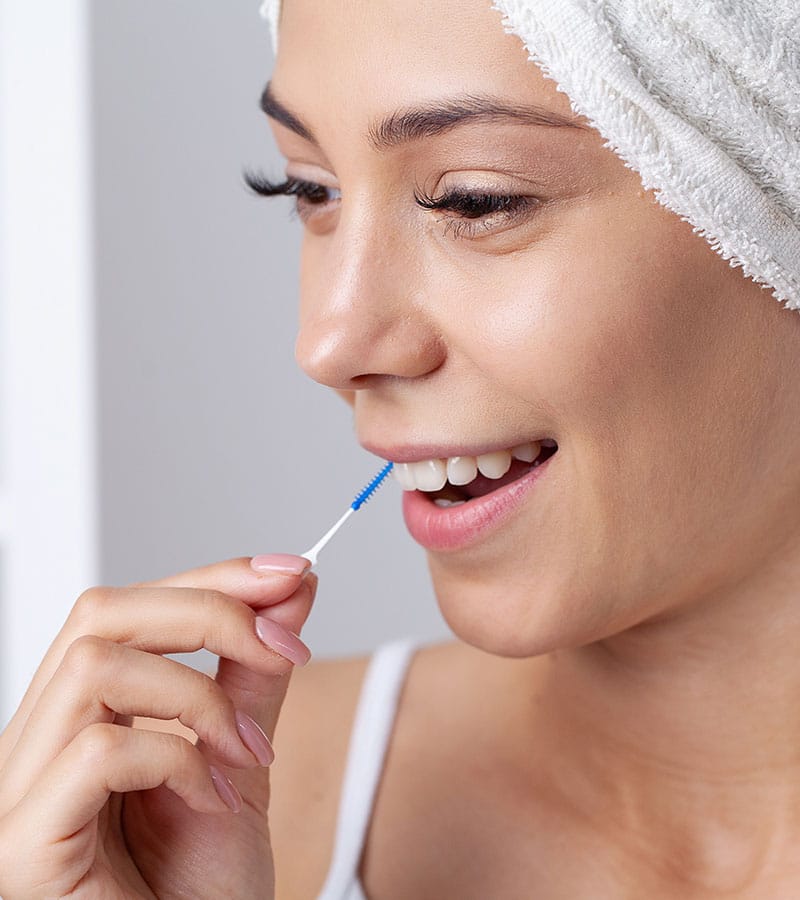
Estudo de Caso 1: Programa Preventivo da Clínica Dentária Europeia
Um programa de cuidados preventivos introduzido estruturado ferramentas de higiene dental uso para pacientes.
Resultados após 6 meses:
- Redução de 35% nos casos de gengivite
- Melhoria de 28% nos escores do índice de placa
- Maior adesão do paciente às rotinas de atendimento domiciliar
Estudo de caso 2: Expansão da marca OEM no mercado asiático
Uma marca de atendimento odontológico introduziu linhas de produtos de palhetas de fio dental personalizadas.
Resultado:
- Aumento de 42% na taxa de conversão de varejo
- Diferenciação de marca mais forte nos canais de farmácia
- Expansão para 12 novos mercados internacionais
Estudo de caso 3: Estudo de higiene do paciente ortodôntico
Os pacientes em uso de escovas interdentais junto ao fio dental apresentaram
- Acumulação reduzida de placa de suporte
- Melhor estabilidade da saúde das gengivas
- Menores taxas de complicações ortodônticas
Cenários de Aplicação Clínica
Modelo de rotina de cuidados bucais domésticos diários
Uma rotina cientificamente recomendada inclui
- Escovação dentária (2 minutos)
- Fio dental (12 minutos)
- Limpeza interdental
- Raspagem língua
Uso profissional da clínica dentária
Profissionais odontológicos usam ferramentas de higiene dental para:
- Limpeza pré-tratamento
- Manutenção pós-escala
- Programas de educação do paciente
Programas de Odontologia Preventiva Hospitalar
Alguns sistemas de saúde integram a educação em higiene bucal com foco em
- Conscientização sobre limpeza interdental
- Prevenção de doenças gengivais
- Controle de saúde bucal baseado no estilo de vida
Tendências tecnológicas emergentes em ferramentas de higiene dentária
Dispositivos inteligentes de cuidados bucais
Novas inovações incluem:
- Sistemas de escova de dentes conectados a aplicativos
- Feedback de escovação baseado em IA
- Sensores de pressão inteligentes
Desenvolvimento Material Sustentável
As tendências ecológicas incluem:
- Alças plásticas recicladas
- Materiais de fio dental biodegradáveis
- Sistemas reduzidos de resíduos de embalagens
Otimização de Design Ergonômico
O design moderno de ferramentas concentra-se em:
- Redução da fadiga manual
- Geometria de aderência melhorada
- Melhor acessibilidade da cavidade oral
Perguntas frequentes
O que são ferramentas de higiene dental usado para?
Eles são usados para limpar áreas da boca que as escovas de dentes não conseguem alcançar efetivamente, incluindo espaços interdentais e superfícies da língua.
Com que frequência devem ser utilizadas ferramentas de higiene dentária?
A maioria das ferramentas deve ser usada uma vez ao dia, especialmente fio dental e escovas interdentais para uma saúde bucal ideal.
Escovas interdentais são melhores que fio dental?
Eles são mais eficazes para lacunas mais largas, enquanto o fio dental é melhor para espaços apertados entre os dentes.
As ferramentas de higiene dental podem prevenir doenças gengiva
Sim, o uso regular reduz significativamente o acúmulo de placa bacteriana e ajuda a prevenir a gengivite e a doença periodontal.
Qual a rotina de cuidados bucais mais eficaz?
Uma combinação de escovação, uso de fio dental, limpeza interdental e raspagem da língua é considerada o sistema mais eficaz.
Conclusão
A evolução do ferramentas de higiene dental reflete uma mudança global em direção a cuidados de saúde bucal preventivos e baseados em sistemas Em vez de depender apenas da escovação, a higiene bucal moderna integra várias ferramentas especializadas projetadas para atingir diferentes áreas biológicas e estruturais da boca.
De escovas interdentais a sistemas de fio dental e raspadores de língua, cada componente desempenha um papel crítico na manutenção do equilíbrio do microbioma oral, na prevenção de doenças e na melhoria dos resultados de saúde bucal a longo prazo Em 2026 e além, as ferramentas de higiene dental continuarão a evoluir para soluções mais inteligentes, mais sustentáveis e clinicamente otimizadas para as necessidades globais de cuidados bucais.
Mantenha-se conectado! 🌟
Obrigado pela leitura! Se você gostou deste artigo, não se esqueça de me seguir nas redes sociais para mais informações, atualizações e conteúdo exclusivo dos bastidores:
Facebook – Participe da conversa e receba as últimas atualizações.
YouTube – Assista a tutoriais, demonstrações e guias detalhados.
Instagram – Veja dicas, imagens e inspiração diária.
Vamos continuar aprendendo e crescendo juntos — mantenham-se conectados e não percam nada!