Principais conclusões
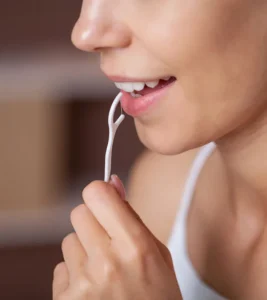
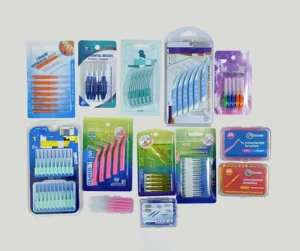
- Escovas interdentais e uso do fio dental vise diferentes tipos de espaços interdentais
- Estudos clínicos mostram que a redução da placa pode variar 20% a 80% dependendo da técnica
- As escovas interdentais costumam ser mais eficazes em canhoneiras abertas e casos de doenças gengivais
- O fio dental tem melhor desempenho em pontos de contato apertados entre os dentes
- Não existe uma ferramenta universal “best depende da estrutura oral e da conformidade
- O uso combinado é amplamente apoiado nas diretrizes odontológicas modernas
- A questão “são pincéis interdentais melhor que o fio dental” é melhor respondida com personalização
Índice
Introdução
A odontologia moderna concentra-se cada vez mais na prevenção e não no tratamento. De acordo com relatórios globais de saúde bucal, quase 3,5 bilhões de pessoas em todo o mundo sofrer de doenças bucais, sendo a doença periodontal uma das condições mais comuns, uma parcela significativa dessas questões tem origem na limpeza interdental inadequada.
É por isso que ferramentas como fio dentário e as escovas interdentais tornaram-se centrais nas discussões de cuidados bucais preventivos A pergunta as escovas interdentais são melhores que o uso do fio dental não é apenas uma questão de higiene casual. O debate está diretamente ligado à saúde gengival a longo prazo, à retenção dentária e a problemas de saúde sistémicos, como doenças cardiovasculares e diabetes.
Pesquisas odontológicas recentes publicadas em white papers periodontais indicam que a limpeza interdental pode reduzir o risco de gengivite em até 38% quando realizado de forma consistente. No entanto, a eficácia depende muito da ferramenta utilizada, da adesão do paciente e da anatomia oral.
Este guia expandido fornece uma comparação mais profunda e apoiada por pesquisas para ajudá-lo a tomar uma decisão mais informada.
Compreendendo a Ciência da Limpeza Interdental
O que acontece entre os dentes no nível micro
Entre os dentes, o biofilme começa a se formar dentro deles 24 horas após a limpeza Este biofilme endurece em placa e, se não for removido, pode mineralizar em tártaro dentro 10 4 dias.
Isto torna a limpeza interdental essencial para:
- Prevenção da inflamação das gengivas
- Reduzindo a colonização bacteriana
- Evitando a formação de bolsas periodontais
Conceito: Princípio da Disrupção do Biofilme
Ambos fio dental e escovas interdentais trabalhar interrompendo o biofilme bacteriano No entanto, eles fazem isso de diferentes maneiras mecânicas:
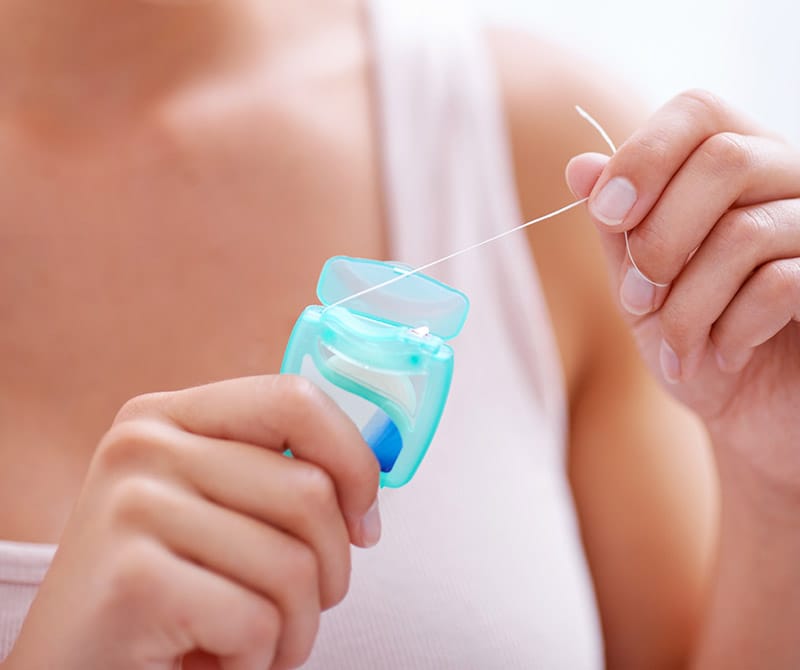
- Fio: corta e raspa finas camadas de biofilme
- Escovas: varrem fisicamente e desalojam a massa da placa
Perspectiva das Diretrizes Odontológicas Globais
Visão geral das recomendações da OMS e da ADA
De acordo com recomendações de saúde bucal de organizações como
- Organização Mundial da Saúde (OMS)
- Associação Americana de Odontologia (ADA)
- Federação Europeia de Periodontologia (EFP)
A limpeza interdental é considerada um componente crítico da higiene oral diária, juntamente com a escovação duas vezes ao dia.
No entanto, nenhuma diretriz oficial afirma que uma ferramenta é universalmente superior Em vez disso, eles enfatizam:
- Técnica adequada
- Consistência
- Seleção de ferramentas personalizada
Conceito: Abordagem Odontológica Baseada em Evidências
A odontologia moderna depende de evidências clínicas e não da preferência pelo produto Estudos comparando o uso do fio dental e escovas interdentais geralmente mostram resultados mistos, dependendo dos grupos de pacientes.
Isso reforça que a questão são escovas interdentais melhor do que o uso do fio dental não pode ser respondida com uma única conclusão universal.
Comparação profunda: as escovas interdentais são melhores que o uso do fio dental na prática?
Eficiência de Limpeza em Estudos Clínicos
Vários ensaios clínicos avaliaram a eficiência da remoção de placas:
- Escovas interdentais: redução de placa de até 70% em espaços abertos
- Fio dentário: cerca de 30% redução da placa 0% em contatos apertados
A eficácia varia dependendo da condição da gengiva e do espaçamento dos dentes.
Fator de conformidade do usuário
Um dos achados mais importantes nos estudos do comportamento odontológico é a complacência:
- Conformidade de uso do fio dental após 6 meses: ~30% usuários continuam regularmente
- Conformidade com escova interdental: ~55% continuação da taxa
Isto sugere que a facilidade de uso desempenha um papel importante na eficácia a longo prazo.
Conceito: Visão da Odontologia Comportamental
Mesmo a ferramenta mais eficaz falha se não for usada de forma consistente Portanto, a usabilidade pode determinar indiretamente os resultados de saúde bucal mais do que a eficiência teórica.
Cenários Clínicos e Seleção Baseada em Aplicações
Cenário 1: Contatos Interdentais Apertados
Em dentes bem compactados, o fio dental continua sendo o método preferido devido à sua estrutura fina.
Vantagem principal:
- Pode alcançar áreas subgengivais em espaços estreitos
Cenário 2: Pacientes com Doença Periodontal
Para pacientes com recessão gengival ou bolsas periodontais, escovas interdentais são frequentemente recomendadas.
Por que:
- Melhor remoção de placa em canhoneiras abertas
- A estimulação suave das gengivas melhora o fluxo sanguíneo
Cenário 3: Pacientes Ortodônticos (Correios)
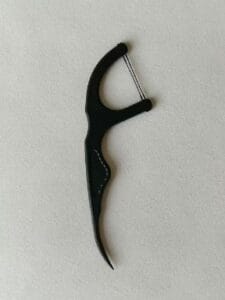
Os aparelhos criam várias zonas de difícil acesso Escovas interdentais e rosqueadores de fio dental são frequentemente combinados.
Benefício principal:
- Navegação mais fácil em torno de fios
- Acumulação reduzida de placa ao redor dos colchetes
Cenário 4: Implantes Dentários
Os implantes requerem uma limpeza cuidadosa para evitar a peri-implantite.
- Escovas interdentais são comumente preferidas
- Fio supervisionado também pode ser usado
Ciência de materiais por trás das ferramentas de limpeza
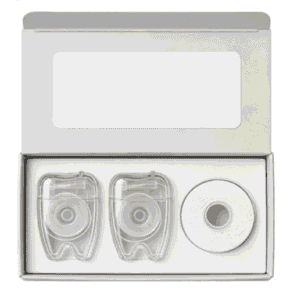
Composição de fio dental
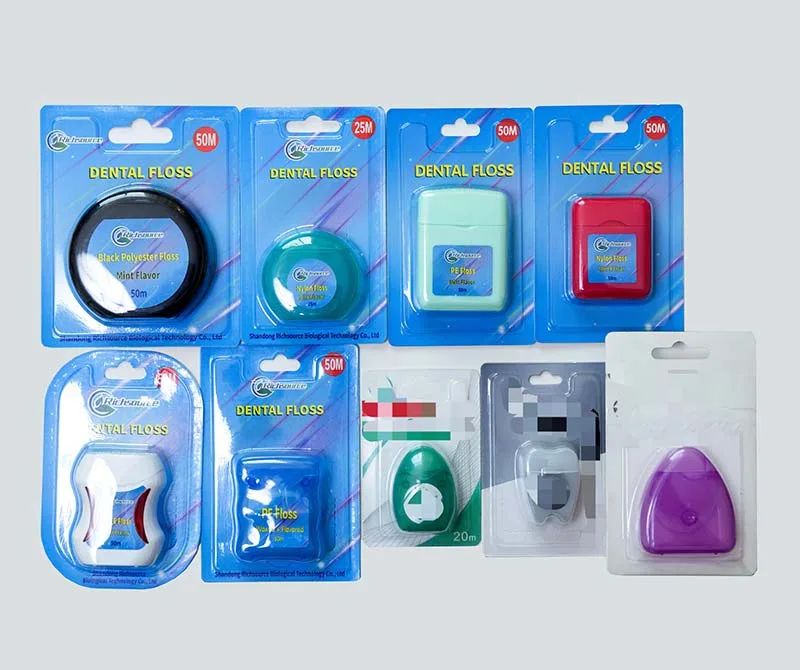
Os materiais modernos para fio dental incluem:
- Nylon (multifilamento)
- PTFE (politetrafluoroetileno)
- Variantes revestidas de cera
O fio dental de PTFE é mais suave e adequado para contatos apertados.
Estrutura de projeto de escova interdental
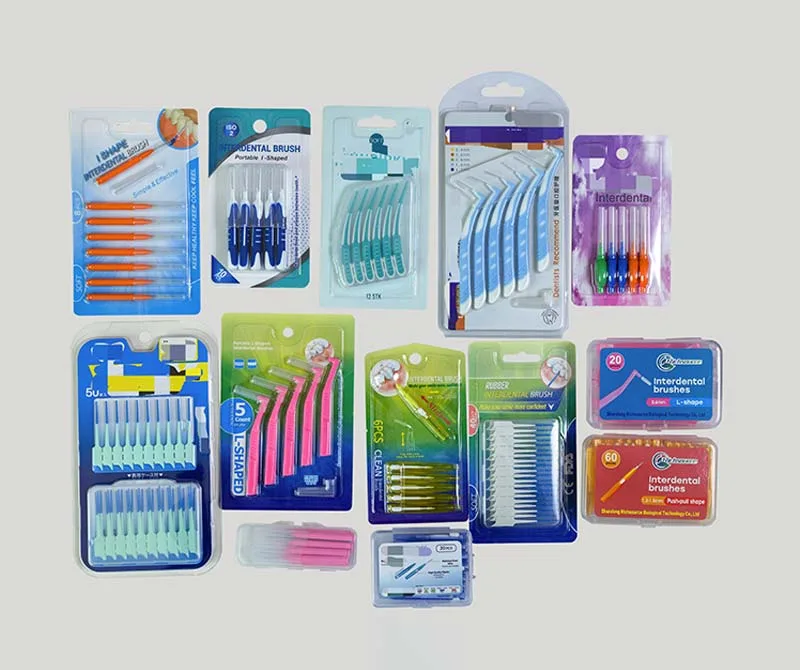
As escovas interdentais consistem em
- Núcleo do fio (muitas vezes revestido para a segurança)
- Cerdas nylon
- Design ergonômico do punho
O diâmetro da escova varia de 0,4 mm a 1,5 mm, permitindo a personalização baseada no tamanho da lacuna.
Conceito: Eficiência de Interação Mecânica
O fio dental depende da força de deslizamento por atrito, enquanto as escovas dependem da força rotacional e de varredura Essa diferença mecânica explica seu desempenho variado em todas as estruturas dentárias.
Tabela Comparativa: Fio vs Escovas Interdentais
| Recurso | Escovas interdentais | Fio dental |
|---|---|---|
| Eficiência de remoção de placas | Alto em espaços abertos | Alto em espaços apertados |
| Facilidade de utilização | Alto | Moderado a baixo |
| Estimulação gengival | Efeito de massagem positiva | Mínimo |
| Curva aprendizagem | Baixo | Superior |
| Ideal para aparelhos | Sim | Limitado |
| Risco de lesão se mal utilizado | Baixo | Moderado |
| Conformidade a longo prazo | Superior | Inferior |
Estrutura conceitual: escolhendo a ferramenta certa
Conceito: Variabilidade Anatômica
Cada indivíduo tem diferentes:
- Espaçamento dentário
- Forma goma
- Estrutura óssea
Essa variabilidade impacta diretamente na eficácia da ferramenta.
Conceito: Estratégia Híbrida de Cuidados
Muitos profissionais de odontologia agora recomendam uma abordagem combinada:
- Fio para contatos apertados
- Escovas interdentais para espaços abertos
Isso garante cobertura interdental completa.
Conceito: Modelo de Odontologia Prevent
A odontologia preventiva moderna concentra-se em minimizar o risco de doenças, em vez de tratar danos A limpeza interdental é um pilar fundamental neste modelo.
Insights de pesquisa e resultados de livros brancos
Relatório Europeu de Periodontologia
Um relatório de consenso de 2020 sugeriu:
- As escovas interdentais são mais eficazes em pacientes periodontais
- O fio dental permanece necessário para casos de papila intacta
Resumo da Meta-Análise Clínica
Uma revisão de vários estudos concluiu:
- Nenhuma ferramenta é universalmente superior
- O uso combinado mostra os melhores resultados de controle de placa
Observação Saúde Pública
Em programas odontológicos comunitários:
- As escovas interdentais melhoraram a complacência em populações idosas
- A educação em fio dental exigiu mais tempo de treinamento
Equívocos comuns
Equívoco 1: Uma ferramenta é suficiente
Diferentes espaços interdentais requerem diferentes ferramentas de limpeza.
Equívoco 2: usar fio dental sozinho previne doenças gengivais
O uso do fio dental ajuda, mas não garante a remoção total da placa bacteriana.
Equívoco 3: Escovas Interdentais Danificam as Gengivas
Quando dimensionados adequadamente, são seguros e muitas vezes benéficos.
Guia Prático de Seleção
Decisão Baseada na Estrutura Dental
Use fio dental quando:
- Os dentes estão bem alinhados
- Não existem lacunas visíveis
Use escovas interdentais quando:
- Os espaços são visíveis
- A recessão gengival está presente
Decisão Baseada no Estilo de Vida
- Usuários ocupados: escovas interdentais (uso mais rápido)
- Usuários focados na precisão: uso do fio dental
- Pacientes ortodônticos: abordagem combinada
Perguntas frequentes
As escovas interdentais são melhores do que o uso do fio dental para a saúde das gengivas?
Ambos são eficazes As escovas podem ser mais benéficas em espaços abertos, enquanto o fio dental é melhor para contatos apertados.
As escovas interdentais podem substituir completamente o fio dental?
Nem sempre Algumas áreas interdentais apertadas ainda requerem uso de fio dental.
O que os dentistas recomendam com mais frequência?
A maioria dos dentistas recomenda uma combinação personalizada baseada na estrutura oral.
Com que frequência a limpeza interdental deve ser feita?
Uma vez ao dia é geralmente recomendado para uma saúde ideal das gengivas.
O uso do fio dental ainda é necessário hoje?
Sim, especialmente para pessoas com dentes apertados contatos.
Conclusão Final: Nenhum Vencedor Único, Apenas Melhor Ajuste Pessoal
A questão são escovas interdentais melhor que uso do fio dental não tem uma resposta universal Em vez disso, ambas as ferramentas desempenham papéis importantes, mas diferentes, na higiene oral.
O uso do fio dental continua sendo essencial para espaços interdentais estreitos, enquanto as escovas interdentais proporcionam acessibilidade e conforto superiores para lacunas e condições periodontais mais amplas. As evidências clínicas apoiam uma abordagem combinada como a estratégia mais eficaz a longo prazo.
Em última análise, a melhor rotina de cuidados bucais não é definida por uma única ferramenta, mas pelo uso consistente, técnica correta e uma estratégia de higiene personalizada adaptada à anatomia dentária individual.
Mantenha-se conectado! 🌟
Obrigado pela leitura! Se você gostou deste artigo, não se esqueça de me seguir nas redes sociais para mais informações, atualizações e conteúdo exclusivo dos bastidores:
Facebook – Participe da conversa e receba as últimas atualizações.
YouTube – Assista a tutoriais, demonstrações e guias detalhados.
Instagram – Veja dicas, imagens e inspiração diária.
Vamos continuar aprendendo e crescendo juntos — mantenham-se conectados e não percam nada!