When it comes to choosing a sustainable oral care routine, most people think about toothpaste or toothbrushes—but bamboo dental floss is one of the most overlooked yet impactful changes you can make. Imagine replacing a small plastic spool that sits in landfills for hundreds of years with a fully biodegradable alternative that also feels great to use.
Every year, billions of plastic floss containers end up in landfills. A single floss spool might seem insignificant, but when multiplied by the number of users worldwide, the environmental cost becomes massive. Switching to bamboo dental floss not only reduces plastic waste but also supports a shift toward renewable, low-impact materials.
In this expanded guide, we’ll explore 5 eco-friendly bamboo dental floss choices, dive deeper into the science behind them, share expert opinions, compare key features, and help you make the best choice for your oral health and the planet.
Table of Contents
Why Bamboo Dental Floss Is a Smart Eco Choice
The Hidden Environmental Cost of Conventional Floss
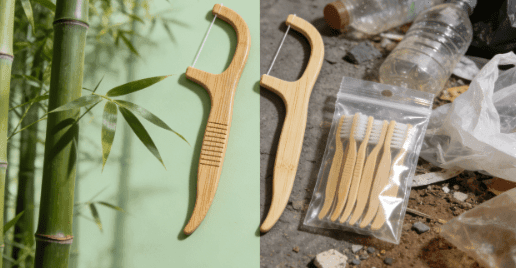
Most traditional floss is made from nylon or PTFE, both of which are plastic-based polymers. These materials can take hundreds of years to decompose. A typical floss spool may look small, but it adds up quickly:
- Over 1 billion floss containers are discarded globally each year
- Each spool can take 400+ years to decompose
- Plastic floss packaging contributes to microplastic pollution
According to a 2020 environmental study, plastic dental products contribute to a significant portion of microplastic waste in oceans. Even if the floss itself is tiny, the cumulative impact is real.
Bamboo: The Fastest-Growing Renewable Resource
Bamboo is one of the most sustainable materials on Earth because:
- It grows up to 91 cm (36 inches) per day in ideal conditions
- Bamboo can be harvested without killing the plant
- It requires less water and pesticides compared to traditional crops
- Bamboo absorbs up to 5 times more CO₂ than many trees
This makes bamboo a strong candidate for sustainable products, including dental floss.
What Makes Bamboo Dental Floss Truly Eco-Friendly?
Biodegradable vs Compostable: The Real Difference
Many brands claim “biodegradable,” but this term can be vague. In real terms:
- Biodegradable: Breaks down naturally over time
- Compostable: Breaks down quickly in a compost environment
- Home compostable: Can decompose in home compost conditions
- Industrial compostable: Requires commercial composting facilities
A truly eco-friendly bamboo dental floss should ideally be both biodegradable and compostable, especially if the packaging is also sustainable.
The Role of Coatings: Wax vs Plant-Based Coating
Most floss needs a coating to glide smoothly. The most common coatings include:
- Beeswax (natural, but not vegan)
- Candelilla wax (plant-based)
- Soy wax (plant-based)
- Synthetic polymers (not eco-friendly)
A high-quality bamboo dental floss should avoid synthetic coatings.
5 Eco-Friendly Bamboo Dental Floss Choices (Expanded)
Choice #1: Bamboo Floss with Natural Wax Coating
What It Is
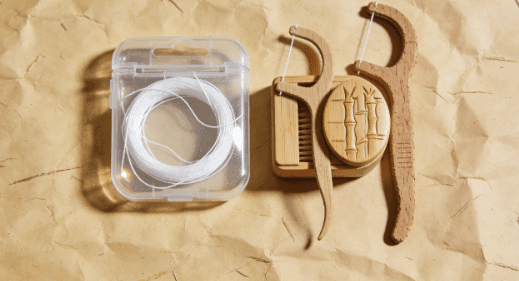
Bamboo dental floss with natural wax uses beeswax or candelilla wax to improve glide and durability.
It is designed to reduce shredding and provide a smoother flossing experience.
Key Features
- Smooth glide and less breakage
- Ideal for tight teeth
- Often recommended for beginners
Expert View
According to dental professionals, waxed floss is often easier for users who are new to flossing because it glides smoothly and reduces friction.
Dr. Emma Liu, DDS (oral health specialist), notes:
“A smooth floss reduces the risk of gum injury and encourages consistent daily use.”
Drawbacks
- Not suitable for strict vegan users if beeswax is used
- Slightly thicker feel
Choice #2: Bamboo Floss with Plant-Based Coating
What It Is
This type uses plant-based coatings like soy or candelilla wax.
It’s designed for vegan users and those who avoid animal products.
Key Features
- Vegan-friendly
- Biodegradable and often compostable
- Smooth glide similar to beeswax
Expert View
Environmental experts emphasize the importance of choosing coatings that are fully renewable and not derived from petroleum.
Drawbacks
- May be slightly less durable than synthetic coatings
- Some plant waxes may require more careful storage
Choice #3: Unwaxed Bamboo Dental Floss
What It Is
Unwaxed bamboo dental floss contains no coating, making it the most minimalistic and natural option.
Key Features
- Highest biodegradability
- Natural texture
- Minimal ingredients
Expert View
A study on dental floss usage suggests that unwaxed floss can be more effective in removing plaque when used correctly, but may require more care to avoid fraying.
Drawbacks
- Higher friction
- More likely to fray
- Not ideal for users with very tight teeth
Choice #4: Bamboo Floss with Charcoal Infusion
What It Is
Charcoal-infused bamboo dental floss adds activated charcoal for stain removal and freshness.
Key Features
- Mild whitening effect
- Improved breath freshness
- Often combined with natural coatings
Expert View
Dentists emphasize that charcoal floss can help with surface stains but should not replace professional whitening.
Dr. Michael Carter, DDS, states:
“Charcoal can be abrasive if used excessively. It’s best for occasional use.”
Drawbacks
- May cause sensitivity if used too often
- Charcoal residue may require thorough rinsing
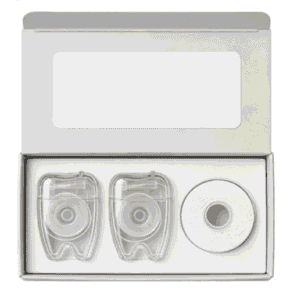
Choice #5: Bamboo Floss in Refillable Packaging
What It Is
Refillable bamboo dental floss focuses on reducing packaging waste.
It often uses glass or metal dispensers with refill spools.
Key Features
- Minimal waste
- Cost-effective over time
- Great for sustainable households
Expert View
Zero-waste advocates highlight that packaging is often the biggest environmental problem, not the product itself.
A refillable system reduces waste by over 70% compared to single-use packaging.
Drawbacks
- Higher initial cost
- Refills may be harder to find
Comparison Table
| Floss Type | Eco-Friendliness | Comfort | Durability | Best For | Main Benefit |
|---|---|---|---|---|---|
| Natural Wax | High | Smooth | High | Tight gaps | Easy glide |
| Plant-Based | Very High | Smooth | Medium | Vegan users | Fully plant-based |
| Unwaxed | Highest | Medium | Medium | Minimalists | Most natural |
| Charcoal | High | Medium | Medium | Whitening | Stain reduction |
| Refillable | Very High | High | High | Zero-waste | Minimal packaging |
How Bamboo Dental Floss Works
Fiber Strength and Structure
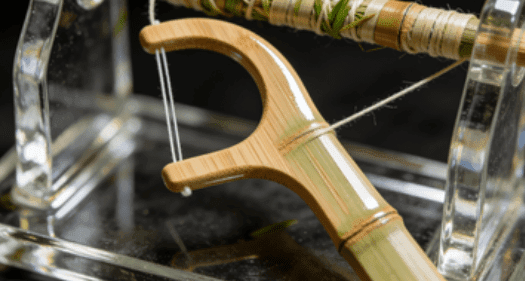
Bamboo dental floss is typically made from bamboo fibers or biodegradable polymers derived from bamboo. These fibers are strong but flexible, which helps:
- Remove plaque effectively
- Prevent shredding
- Maintain durability
Why Coatings Matter
Coatings help the floss slide between teeth without snagging. The best eco floss uses:
- Plant-based wax
- Natural oils
- Minimal chemical additives
The Real Cost of Plastic Floss
Plastic Waste from Floss
Plastic floss containers are often made of mixed materials, making them difficult to recycle. According to environmental reports, plastic dental products are a major source of microplastic pollution.
How Much Waste Does One Person Create?
If one person uses one spool per month:
- 12 spools per year
- 120 spools in 10 years
- Each spool can take 400+ years to decompose
This means that one person’s floss usage alone can generate significant long-term waste.
How to Choose the Best Bamboo Dental Floss
1. Consider Your Dental Needs
- If you have tight teeth, waxed floss is often better.
- If you prefer minimal ingredients, unwaxed floss is ideal.
- If you want whitening, charcoal floss may help.
2. Look at Packaging
The most sustainable option is refillable packaging.
Paper packaging is better than plastic.
3. Check Certifications
Look for certifications like:
- FSC (Forest Stewardship Council)
- Compostable labeling
- Vegan certifications
These ensure the product meets eco standards.
Common Misconceptions About Bamboo Dental Floss
Misconception #1: Bamboo Floss Is Less Effective
Not true. Bamboo dental floss can be just as effective as nylon floss when used properly.
Misconception #2: It’s Too Expensive
Bamboo floss may cost more upfront, but the environmental savings and durability often justify the cost.
Misconception #3: Bamboo Floss Smells or Feels Weird
High-quality bamboo dental floss is designed for comfort and should feel similar to traditional floss.
Expert Opinions & Authority Insights
Dental Association Recommendations
Most dental associations emphasize the importance of daily flossing for gum health. They recommend choosing floss that:
- Is comfortable
- Doesn’t shred
- Encourages consistent use
Environmental Experts on Bamboo Products
Environmental scientists support bamboo products because bamboo:
- Grows rapidly
- Requires fewer resources
- Is renewable and biodegradable
Final Thoughts
Choosing bamboo dental floss is not just a small lifestyle change—it’s a meaningful step toward reducing plastic waste and supporting sustainable materials. By understanding the differences between waxed, unwaxed, charcoal, and refillable options, you can select the best floss for your oral health and eco goals.
Whether you choose a smooth waxed option for tight teeth or a refillable system for zero-waste living, bamboo dental floss offers a powerful way to make daily routines more sustainable.
FAQ
What is the most eco-friendly bamboo dental floss?
The most eco-friendly option is usually unwaxed bamboo floss with compostable packaging, especially if it comes in a refillable container.
Does bamboo dental floss actually biodegrade?
Yes, bamboo floss can biodegrade, but it depends on the coating and packaging. Choose plant-based coatings and paper packaging to ensure full biodegradability.
Is bamboo dental floss safe for sensitive gums?
Yes, many bamboo floss types are gentle, especially plant-based waxed floss. If you have severe sensitivity, consult a dentist first.
How often should I use bamboo dental floss?
Daily flossing is recommended for most people. Consistency matters more than the type of floss you use.
Is charcoal bamboo floss better for whitening?
Charcoal can help with mild surface stains but is not a replacement for professional whitening. Use it occasionally to avoid irritation.
Can bamboo floss be used with braces?
Yes, but you may need specialized flossers or threaders to navigate braces.
Stay Connected! 🌟
Thanks for reading! If you enjoyed this article, don’t forget you can follow me on social media for more insights, updates, and behind-the-scenes content:
Facebook – Join the conversation and get the latest updates
YouTube – Watch tutorials, demos, and in-depth guides
Instagram – See tips, visuals, and daily inspiration
Let’s continue learning and growing together—stay connected and never miss a beat!