Table of Contents
Introduction
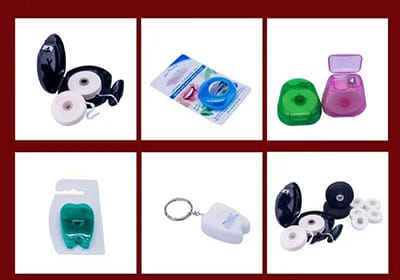
The best dental floss is not necessarily the thickest, smoothest, or most heavily coated option. A suitable floss depends on several practical factors, including the spacing between teeth, filament material, floss thickness, surface texture, coating, glide, strength, and the way the product is intended to be used.
For consumers, these differences influence comfort and ease of daily cleaning. For oral care brands, distributors, and private-label developers, they also affect product positioning, packaging decisions, and the overall user experience.
Dental floss is generally designed to remove plaque and food debris from areas between teeth that toothbrush bristles cannot easily reach. The American Dental Association explains that dental floss and other interdental cleaners can help clean these hard-to-reach surfaces and notes that floss is commonly made from nylon filaments or plastic monofilaments.
Rather than asking which single product is universally the best dental floss, a more useful question is: which floss construction is best suited to the intended user and application?
What Makes a Dental Floss Good?
A well-designed dental floss needs to balance several characteristics at the same time.
It should be thin enough to enter the intended interdental space without excessive force, yet strong enough to resist premature breakage. Its surface should provide sufficient glide while still allowing the user to maintain control against the tooth surface. The floss should also maintain consistent thickness and structure throughout the strand.
This means performance cannot be judged by one specification alone.
For example, an extremely smooth floss may move comfortably through tight contacts, while a more textured or multifilament floss may create a fuller cleaning sensation. Neither design is automatically superior. Their suitability depends on the intended user group and product concept.
The most important characteristics normally include:
| Selection Factor | Why It Matters |
|---|---|
| Filament material | Influences structure, strength, flexibility and surface feel |
| Thickness | Affects suitability for tight or wider interdental spaces |
| Surface texture | Changes grip, contact sensation and perceived cleaning performance |
| Wax or coating | Can influence glide, handling and flavor delivery |
| Tensile strength | Helps the floss withstand tension during use |
| Fraying resistance | Important when floss passes through tight or irregular contacts |
| Flavor | Influences sensory experience and product positioning |
| Dispenser design | Affects cutting, portability and convenience |
| Strand consistency | Supports a more predictable user experience |
For private-label development, these factors should be considered as a system rather than chosen independently.
Nylon Dental Floss
Nylon remains one of the most familiar materials used in traditional dental floss.
It is generally produced from multiple fine filaments combined into a strand. This multifilament construction can provide flexibility and allows manufacturers to adjust characteristics such as thickness, texture, coating, color, and flavor.
One advantage of nylon is its versatility. A nylon floss can be designed with a relatively smooth surface or developed to provide more texture, depending on how the individual filaments are constructed and treated.
However, multifilament construction also means that fraying performance deserves attention. When a floss repeatedly passes through very tight contacts or rough dental surfaces, individual filaments may begin to separate if the strand construction is not suitable for the application.
For this reason, evaluating nylon dental floss requires more than simply confirming that nylon is used. Filament structure, strand density, coating and tensile performance all matter.
Monofilament and Smooth-Glide Floss
Monofilament-style floss uses a different structural approach.
Instead of combining many fine fibers into a conventional multifilament strand, this category typically relies on a more unified filament or tape-like structure. The surface can feel particularly smooth and may be suitable for users who prefer lower resistance when moving floss between tight contacts.
The smooth feel is one reason these products are often positioned differently from textured or expanding floss.
From a product-development perspective, however, very smooth floss must still provide sufficient control. A strand that glides easily but feels difficult to hold may not provide the experience the target user expects.
This is why material selection should always be tested together with thickness, width, surface finish and dispenser design.
Waxed vs Unwaxed Dental Floss
Waxed and unwaxed floss are two common product formats, but the difference should not be oversimplified.
Wax or another surface treatment can influence how the floss feels during insertion, how easily it moves through contact points, and how additional features such as flavor are incorporated.
Unwaxed floss offers a different surface sensation and may appeal to users who prefer a simpler strand construction.
According to the ADA, available evidence does not indicate a meaningful effectiveness difference simply because floss is waxed or unwaxed. In practical use, technique, regular interdental cleaning and choosing a format that the user can comfortably handle remain important.
For manufacturers and brands, the choice between waxed and unwaxed formats therefore becomes a product-positioning decision as well as a functional one.
How Thickness Changes the Flossing Experience
Thickness is one of the most important but often overlooked dental floss specifications.
If floss is too thick for the intended interdental space, users may need excessive pressure to insert it. If it is too thin for a wider space, the user may perceive limited surface contact.
The correct specification depends on the target application.
Products intended for consumers with tight tooth contacts often emphasize smooth insertion and controlled thickness. A fuller or more textured floss may be developed for users seeking greater contact sensation.
This does not mean that consumers should select floss based on a numerical thickness specification alone. Tooth spacing varies considerably from person to person, and people with dental restorations, orthodontic appliances or particular oral health needs may benefit from advice from a dental professional.
For brands, however, thickness is a highly useful development variable because it directly influences how the product feels in actual use.
Texture, Expansion and Surface Contact
Texture creates another opportunity to differentiate dental floss.
A conventional smooth strand, a textured multifilament floss and an expanding structure can produce very different user experiences even when their basic purpose is the same.
Textured floss can create a more noticeable surface sensation against the tooth, while expanding floss may become fuller under tension or moisture depending on its construction.
The important point is that terms such as “soft,” “textured,” “expanding,” or “smooth” should correspond to measurable and repeatable product characteristics.
For private-label brands, physical samples are therefore important during product development. Descriptions alone cannot fully communicate factors such as glide, hand feel, strand expansion, fraying behavior or resistance through tight contacts.
Shred Resistance and Tensile Strength
Consumers often notice dental floss quality most clearly when a strand begins to fray or break.
Several factors can influence this behavior:
- filament material;
- individual fiber diameter;
- number of filaments;
- twisting or bonding structure;
- coating;
- total strand thickness;
- tensile strength;
- consistency of production.
A strong floss is not simply a floss with the highest possible tensile strength. It must remain flexible enough for controlled use while resisting premature breakage.
This balance becomes particularly important for products designed for tight interdental spaces.
During product development, repeated-use simulations and consistency checks can help identify whether a proposed specification maintains acceptable performance throughout the strand.
Does Flavor Matter?
Flavor does not determine whether a dental floss performs its mechanical cleaning function, but it can strongly influence the overall product experience.
Mint is common because it aligns naturally with oral care, but private-label programs may consider different flavor intensities or fragrance-free concepts depending on their market positioning.
The key consideration is consistency.
A flavored floss should deliver a controlled sensory experience without allowing flavor, coating or surface treatment to interfere with strand handling. Packaging should also be compatible with the selected formulation so that the intended sensory characteristics remain stable during storage.
For international brands, preferences may vary across markets, so flavor selection should be considered alongside target consumers rather than treated as a universal specification.
What Is the Best Dental Floss for Tight Teeth?
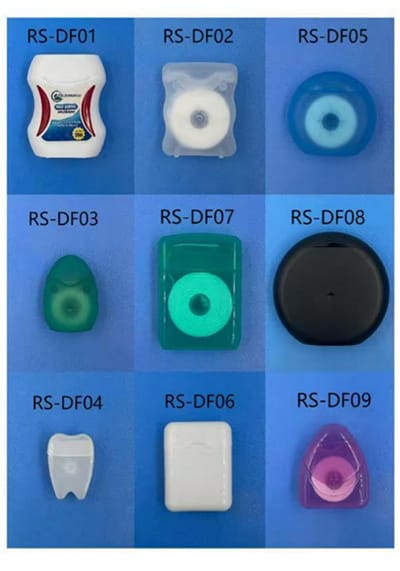
For tight contacts, users commonly prefer floss that combines controlled thickness with good glide and adequate tensile strength.
A smooth surface can make insertion easier, but the floss should still remain manageable once it passes between the teeth. Fraying resistance is particularly relevant because high contact pressure can place additional stress on the strand.
For product developers, useful characteristics to evaluate include:
- consistent narrow thickness;
- smooth surface finish;
- strong tensile performance;
- low tendency to split;
- comfortable grip;
- clean cutting from the dispenser.
The objective should not simply be to create the thinnest possible floss. It is to achieve a usable balance between insertion, control and durability.
What Is the Best Dental Floss for Wider Spaces?
Wider interdental spaces may call for different characteristics.
A fuller multifilament, textured or expanding floss can provide a different contact sensation compared with a very narrow smooth strand. Some users may also find interdental brushes more appropriate depending on the size and characteristics of the space.
This illustrates why “best dental floss” is inherently application-dependent.
A product developed specifically for tight contacts should not automatically use the same construction as one intended to provide a fuller flossing experience.
For brands building a broader oral care portfolio, different floss formats can therefore serve distinct consumer needs rather than competing as interchangeable products.
Dental Floss vs Floss Picks
Traditional spool floss and floss picks both provide a way to clean between teeth, but their designs create different usage experiences.
Spool floss allows the user to control strand length and reposition a fresh section during cleaning. It also provides flexibility in how the strand is wrapped and curved around the tooth surface.
Floss picks integrate a short section of floss into a handle. Their compact format can make them convenient for travel, on-the-go oral care and users who find handling loose floss difficult.
Neither format needs to replace the other.
For brands, the decision depends on target consumers, distribution channel, packaging format and product positioning. A complete oral care range may contain both.
What Brands Should Consider When Developing Dental Floss
From a manufacturing perspective, choosing the best dental floss specification begins with the intended customer rather than the raw material.
A brand should first define questions such as:
Who is expected to use the product?
Is the floss intended primarily for tight contacts or general daily use?
Should the product feel smooth, soft, textured or fuller?
Is flavor part of the positioning?
What dispenser size is required?
Will the product be sold individually, in sets or as part of an oral hygiene kit?
Does the brand have specific material or packaging requirements?
Once these questions are clear, material selection becomes much easier.
Richsource’s customizable dental floss products can be developed around factors including material, length, packaging, fragrance, logo and color, allowing different specifications to be matched with private-label positioning instead of treating dental floss as a completely standardized product.
A Practical Dental Floss Selection Framework
For consumers and product developers alike, a simple selection framework can make the decision clearer.
| User or Product Need | Characteristics to Consider |
|---|---|
| Tight tooth contacts | Thin profile, smooth glide, strong strand |
| General everyday use | Balanced thickness, handling and durability |
| Fuller surface feel | Multifilament or textured construction |
| Sensory-focused product | Flavor and coating consistency |
| Sustainability positioning | Material and packaging choices supported by specific evidence |
| Travel use | Compact dispenser and secure packaging |
| Private-label retail | Consistent specification, branding and packaging compatibility |
The important principle is to match the product characteristics with a defined need rather than selecting features simply because they sound more advanced.
Why Manufacturing Consistency Matters
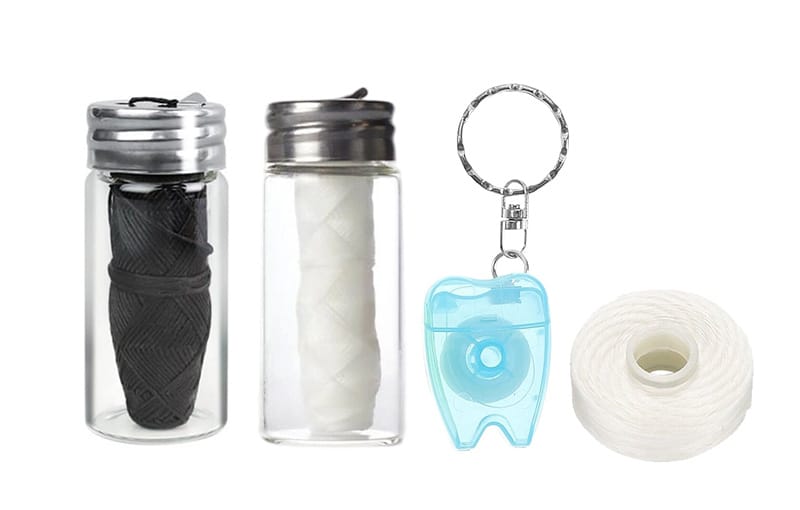
Two floss products can use similar material descriptions but still feel noticeably different.
Manufacturing consistency affects filament diameter, strand thickness, coating distribution, tensile strength, cutting behavior and dispenser performance.
For a private-label program, one successful sample is not enough. The approved specification needs to remain consistent across production batches.
Quality evaluation can therefore include checks for:
- material consistency;
- floss diameter or width;
- tensile strength;
- fraying resistance;
- coating uniformity;
- flavor consistency;
- strand length;
- dispenser cutting performance;
- packaging integrity;
- visual consistency.
This manufacturing perspective is especially important for brands that want a recognizable user experience across repeated production runs.
Avoiding Misleading Product Claims
Oral care products should be described accurately.
Terms such as biodegradable, plastic-free, non-toxic, PFAS-free, natural or eco-friendly can influence consumer decisions, but they should only be used when the product specification and supporting documentation justify the claim.
For example, changing the floss filament does not automatically make an entire packaged product plastic-free if the dispenser, wrapper or other components still use conventional plastic.
Similarly, marketing language about clinical or oral health outcomes should not extend beyond the evidence available for the specific product.
Clear material specifications and evidence-based communication help brands build stronger long-term product credibility.
Conclusion
There is no single dental floss specification that can be considered the best for every person or every oral care brand.
The best dental floss is the one that appropriately balances filament material, thickness, glide, texture, coating, tensile strength, fraying resistance and user preference for its intended application.
Nylon multifilament floss offers considerable flexibility in structure and surface treatment. Smooth monofilament-style products can provide different glide characteristics. Waxed, unwaxed, textured and expanding formats each create distinct user experiences.
For consumers, choosing a floss that can be used comfortably and consistently is more practical than focusing on a single marketing feature.
For oral care brands, the process should begin with the intended user and market positioning. Material, structure, dispenser design, flavor and packaging can then be developed around that goal, followed by physical testing and consistent quality control.
A well-designed dental floss is therefore not defined by one fashionable feature. It is the result of several carefully matched product specifications working together.
FAQ
What type of dental floss is best?
There is no universal best type. Suitable floss depends on factors such as tooth spacing, strand thickness, material, texture, glide and personal preference. Smooth, narrow floss may feel easier to use in tight contacts, while fuller or textured floss can provide a different surface sensation. The most practical option is one that can be used comfortably and consistently.
Is waxed or unwaxed dental floss better?
Neither format is automatically better for every user. Waxed floss may provide a smoother handling experience depending on its formulation, while unwaxed floss offers a different surface feel. The ADA notes that available evidence does not show a meaningful effectiveness difference simply based on whether floss is waxed or unwaxed.
What material is dental floss made from?
Dental floss can be produced from different filament materials. Traditional products commonly use nylon multifilaments, while other designs use plastic monofilaments or alternative fibers. Material alone does not determine performance because strand construction, thickness, coating, tensile strength and surface treatment also affect the finished product.
Why does some dental floss shred?
Floss can shred when individual fibers are exposed to high friction, tight contact points or rough surfaces. Filament structure, coating, strand density, tensile strength and manufacturing consistency can all influence fraying resistance. Persistent shredding in one specific area may also be worth discussing with a dental professional.
Can dental floss be customized for private-label brands?
Yes. Dental floss specifications can be developed around material, strand structure, thickness, coating, flavor, length, dispenser design, color, branding and packaging requirements. Brands planning a private-label dental floss range should define the target user and desired product experience before finalizing specifications.
Develop a Dental Floss Product for Your Brand
For oral care brands, distributors and private-label programs, selecting the right floss specification starts with defining the intended user, material, thickness, surface characteristics and packaging requirements.
Richsource provides OEM/ODM support for dental floss and complementary oral care products. You can contact Richsource to discuss product specifications, packaging, branding and manufacturing requirements.