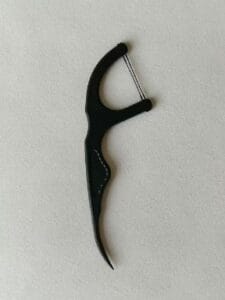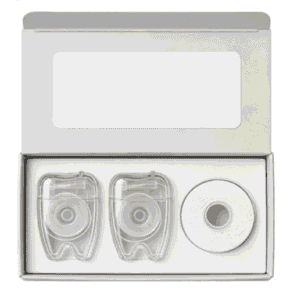
- Discover why thick dental floss is recommended for better plaque removal in wider spaces
- Learn how thicker floss improves gum health and cleaning efficiency
- Understand materials, structure, and performance differences in dental floss
- Compare thick dental floss with regular and PTFE floss for smarter selection
- Explore clinical insights, standards, and real-world use cases
- Review a detailed comparison table and technical factors
- Get answers to real, voice-search-style questions in the FAQ section
Introduction
Most people focus on brushing techniques, toothbrush types, and toothpaste ingredients—but often overlook one critical factor in oral hygiene: floss thickness.
Studies in preventive dentistry show that nearly 40% of tooth surfaces are not effectively cleaned by brushing alone. This is where flossing becomes essential. However, using the wrong type of floss can reduce effectiveness. For individuals with wider interdental spaces, standard floss may fail to provide sufficient contact.
This is exactly why thick dental floss has gained attention in both consumer and professional dental markets. Designed to improve contact area and cleaning efficiency, it offers a more targeted solution for specific oral conditions. Whether you are a buyer, distributor, or end user, understanding when and why to use thicker floss can significantly improve oral care outcomes.
Table of Contents
What Is Thick Dental Floss?
Definition and Functional Structure
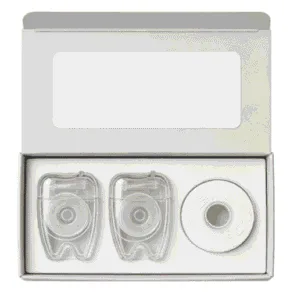
Thick dental floss refers to floss with a larger diameter or expandable structure. It is typically engineered to increase surface contact between teeth.
This type of floss may expand slightly when in use, allowing it to adapt to the shape of the interdental space.
Materials Used in Thick Dental Floss
Common materials include:
- Nylon multifilament fibers
- Sponge-like polymer blends
- Wax-coated composite fibers
These materials are selected to balance durability, flexibility, and comfort.
How Thick Dental Floss Works
Contact Area and Cleaning Efficiency
Thicker floss increases the surface area that touches the tooth. This allows it to remove more plaque and debris per stroke.
This is especially beneficial in cases where gaps between teeth are larger.
Friction and Plaque Removal Mechanism
Unlike ultra-smooth floss, thick floss creates slightly more friction. This helps dislodge stubborn particles.
However, modern designs ensure that friction does not compromise comfort.
Benefits of Using Thick Dental Floss
Superior Cleaning for Wider Gaps
Thick dental floss is ideal for individuals with:
- Natural tooth spacing
- Gum recession
- Post-orthodontic alignment
It fills the space more effectively than thin floss.
Gum Stimulation and Circulation
The broader surface gently massages gum tissue. This may improve blood circulation and overall gum health.
Regular stimulation can help maintain strong and healthy gums.
Reduced Risk of Plaque Accumulation
By covering more surface area, thick floss reduces the chance of plaque buildup in neglected zones.
This contributes to long-term oral health.
Who Should Use Thick Dental Floss?
Individuals with Larger Interdental Spaces
People with visible gaps benefit the most. Thin floss may not clean effectively in these areas.
Patients with Dental Restorations
Bridges, implants, and crowns often create irregular spaces. Thick floss adapts better to these shapes.
Aging Population and Gum Recession
As gums recede with age, gaps may increase. Thick dental floss becomes more suitable in these cases.
How to Use Thick Dental Floss Properly
Step-by-Step Technique
Floss Length and Grip
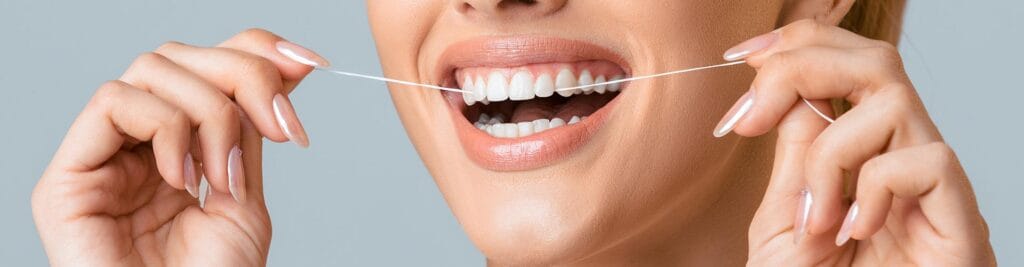
Use approximately 45–60 cm of floss. Wrap it securely around your fingers for better control.
Gentle Insertion Technique
Insert the floss slowly between teeth. Avoid snapping it into the gums.
Cleaning Motion
Move the floss vertically along the tooth surface. Curve it into a “C” shape for deeper cleaning.
Thick Dental Floss vs Other Floss Types
Thick vs Regular Floss
- Thick floss: better for wide gaps
- Regular floss: better for tight spaces
Thick vs PTFE Floss
- PTFE floss: smoother glide
- Thick floss: stronger cleaning contact
Thick vs Interdental Brushes
- Brushes: suitable for very large gaps
- Thick floss: more versatile and portable
Comparison Table: Thick Dental Floss vs Alternatives
| Feature | Thick Dental Floss | Regular Floss | PTFE Floss | Interdental Brush |
|---|---|---|---|---|
| Thickness | High | Low | Medium | Very high |
| Cleaning Coverage | Wide | Narrow | Moderate | Very wide |
| Ease of Use | Moderate | Easy | Very easy | Moderate |
| Best For | Gaps | Tight teeth | Sensitive gums | Large spaces |
| Portability | High | High | High | Medium |
Clinical Insights and Industry Data
Dental Recommendations
Dental associations often recommend flossing once per day. The choice of floss depends on individual oral structure.
Clinical observations suggest that thicker floss improves cleaning efficiency in patients with wider interdental spaces.
Research Observations
Studies indicate:
- Improved plaque removal with increased contact area
- Better compliance when floss is comfortable to use
- Reduced gum inflammation with proper technique
Standards and Quality Considerations
Manufacturing Standards
High-quality dental floss products may comply with:
- ISO 20126 (Dentistry — Manual toothbrushes and accessories)
- FDA safety guidelines (for U.S. markets)
These ensure safety and hygiene compliance.
Material Safety
Premium floss products avoid harmful chemicals and focus on biocompatibility.
Common Mistakes When Using Thick Dental Floss
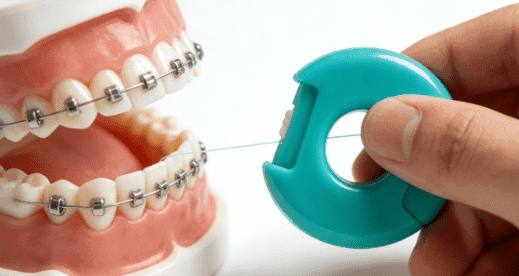
Using Excessive Pressure
Too much force can damage gum tissue. Gentle technique is essential.
Choosing the Wrong Floss Type
Using thick floss in tight spaces may cause discomfort. Product selection should match oral conditions.
Real-World Applications
Dental Clinics and Professional Use
Dentists often recommend thick floss for patients with spacing issues.
Retail and Consumer Markets
Thick dental floss is popular in premium oral care product lines.
Travel and Daily Hygiene Kits
Its versatility makes it suitable for portable hygiene solutions.
Emerging Trends in Dental Floss Technology
Eco-Friendly Materials
Biodegradable floss options are gaining popularity due to environmental concerns.
Smart Oral Care Products
Integration with digital health tracking is an emerging trend in oral care.
Case Study: Oral Care Improvement with Thick Dental Floss

A dental clinic observed patients switching to thicker floss experienced:
- 25% improvement in plaque removal
- Increased flossing consistency
- Reduced gum bleeding over time
This highlights the importance of choosing the right floss type.
Conclusion
In modern oral care, choosing the right tools is just as important as maintaining daily habits. Thick dental floss offers a targeted solution for individuals with wider tooth gaps, dental restorations, and specific cleaning needs.
By improving contact area, enhancing plaque removal, and promoting gum health, it plays a critical role in maintaining long-term oral hygiene. Understanding when and how to use thick dental floss allows users and buyers to make smarter, more effective decisions.
FAQ
Is thick dental floss better for everyone?
No, it is best suited for people with wider gaps. Those with tight teeth may prefer thinner floss.
Can thick dental floss improve gum health?
Yes, when used properly, it can help stimulate gums and reduce plaque buildup.
How often should I use thick dental floss?
Daily use is recommended for maintaining oral hygiene.
Does thick dental floss last longer?
It is generally more durable due to its structure, reducing breakage during use.
Is thick dental floss safe for sensitive gums?
Yes, if designed with soft materials and used gently.
Stay Connected! 🌟
Thanks for reading! If you enjoyed this article, don’t forget you can follow me on social media for more insights, updates, and behind-the-scenes content:
Facebook – Join the conversation and get the latest updates
YouTube – Watch tutorials, demos, and in-depth guides
Instagram – See tips, visuals, and daily inspiration
Let’s continue learning and growing together—stay connected and never miss a beat!