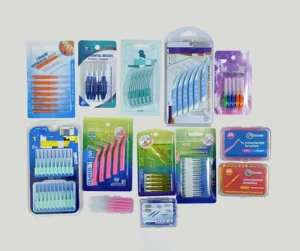
Introduction
Oral health has quietly become one of the most important segments in modern preventive healthcare. According to global dental health reports and widely cited WHO oral health data, nearly 3.5 billion people worldwide are affected by oral diseases, and the majority of these conditions are preventable with proper daily hygiene.
What is changing today is not the importance of brushing—but the rise of complete at-home oral cleaning systems, especially the use of dental cleaning tools at home that go beyond traditional toothbrush use.
Modern dental science clearly shows that brushing alone only removes around 60% of plaque, while the remaining plaque accumulates in interdental areas where cavities and gum disease most commonly begin.
This gap has driven a global shift toward:
- Interdental cleaning tools
- Floss-based systems
- Portable oral care devices
- Eco-friendly disposable dental hygiene products
As a result, the category of dental cleaning tools at home is no longer optional—it is becoming a core part of daily preventive healthcare routines in both developed and emerging markets.
Key Takeaways of This Expanded Guide
- Scientific background behind home dental cleaning tools
- WHO/ADA-aligned oral hygiene principles
- Full breakdown of floss, brushes, picks, and interdental systems
- Material science behind oral care products
- Consumer behavior and global market trends
- Clinical insights from dental hygiene standards
- Practical home oral care system design
- Real-world case improvements in oral health outcomes
- Expanded FAQ
Table of Contents
Understanding Dental Cleaning Tools at Home in Modern Oral Science
Concept of Home-Based Oral Hygiene Systems
Dental cleaning tools at home refer to supplementary oral care devices designed to remove plaque and food debris that toothbrushes cannot reach effectively.
These tools form a multi-layer oral hygiene system, which is now widely recommended in preventive dentistry.
Core components include:
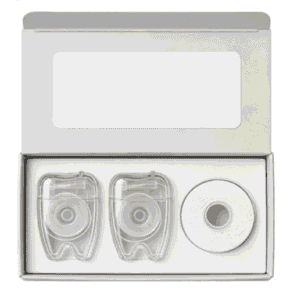
- Dental floss systems
- Interdental brushes
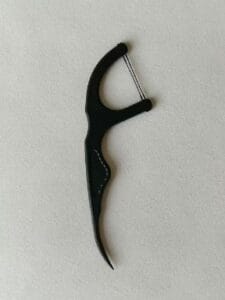
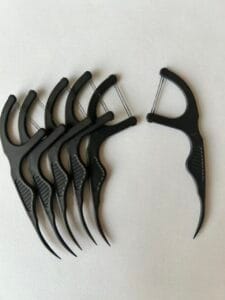
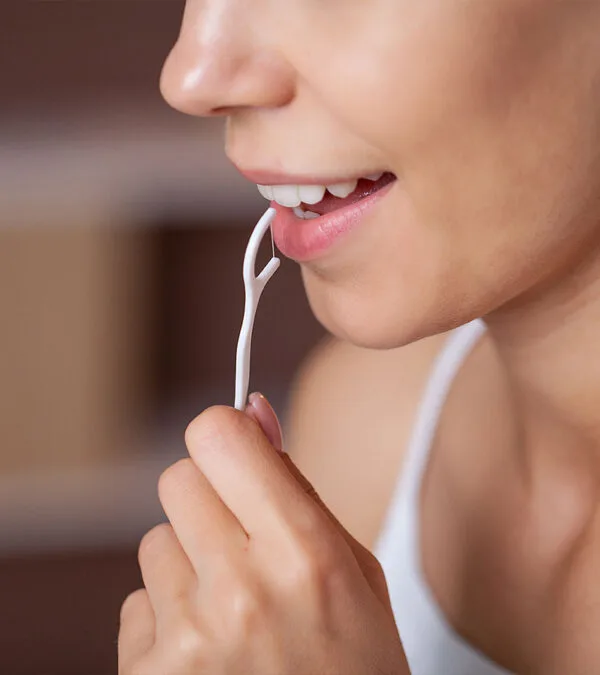
- Floss picks
- Specialized toothpicks (including fishbone designs)
Each tool targets different anatomical areas of the oral cavity.
Why Toothbrushes Alone Are Not Enough
Clinical dental research consistently shows:
- Toothbrush cleaning efficiency: ~60% plaque removal
- Interdental cleaning necessity: ~40% residual plaque remains
Most dental issues (especially cavities and gingivitis) begin in interdental spaces.
This is why dental cleaning tools at home are considered essential, not optional.
Global Dental Health Standards and Scientific Background
WHO Oral Health Recommendations (Conceptual Summary)
The World Health Organization emphasizes:
- Daily interdental cleaning
- Reduction of plaque biofilm accumulation
- Prevention of gingival inflammation
ADA (American Dental Association) Oral Hygiene Framework
The ADA recommends:
- Brushing twice daily
- Daily interdental cleaning
- Use of floss or equivalent tools
This directly supports the use of modern dental cleaning tools at home.
Plaque Formation Timeline (Scientific Insight)
- 0–4 hours: Early biofilm formation
- 24 hours: Mature plaque begins developing
- 48–72 hours: Hardening into tartar starts
Without interdental tools, plaque becomes increasingly difficult to remove.
Core Dental Cleaning Tools at Home System Breakdown
Dental Floss – Precision Interdental Cleaning System
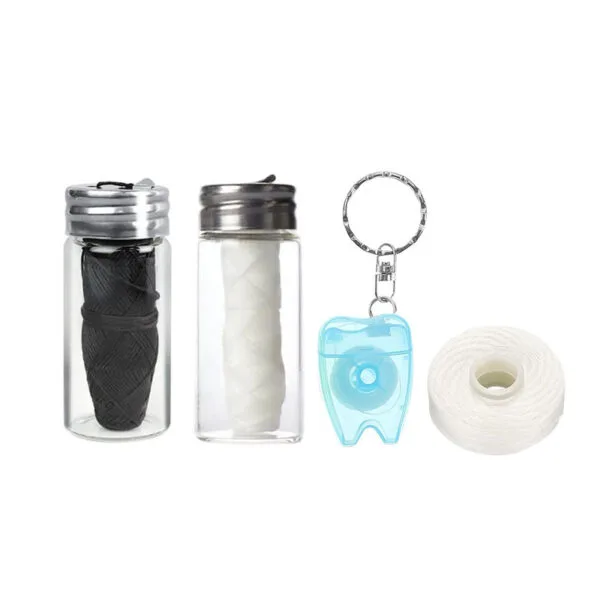
Dental floss is designed to mechanically disrupt plaque biofilm between tight tooth contacts.
It is considered the gold standard for narrow interdental spaces.
Key functional principles:
- Mechanical scraping of plaque
- Removal of microbial biofilm
- Gingival margin cleaning
Interdental Brush – Expanded Space Cleaning Technology
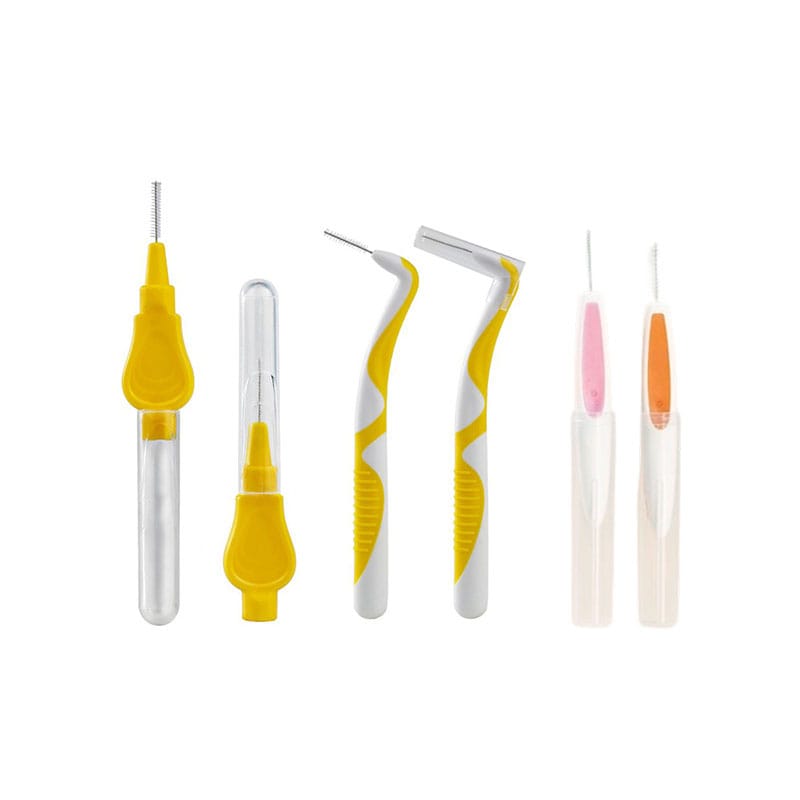
Interdental brushes are designed for wider spaces or orthodontic users.
They provide:
- Higher plaque removal efficiency in large gaps
- Better accessibility around braces
- Improved gum stimulation
Clinical studies show interdental brushes may remove more plaque than floss in certain gap types.
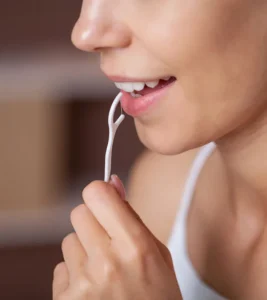
Floss Picks – Ergonomic Daily Convenience System
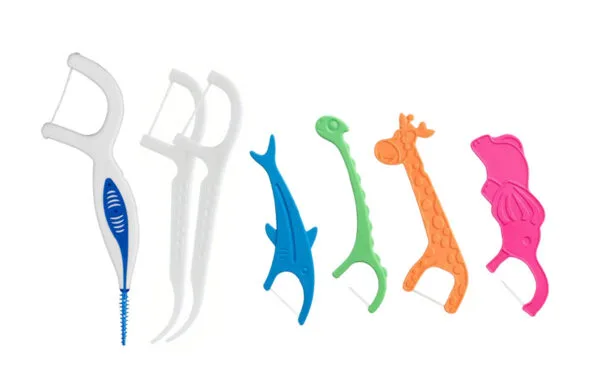
Floss picks combine handle + floss into a single-use structure.
They are optimized for:
- Ease of use
- Travel convenience
- Beginner accessibility
Plastic Fishbone Toothpicks – Targeted Surface Debris Removal
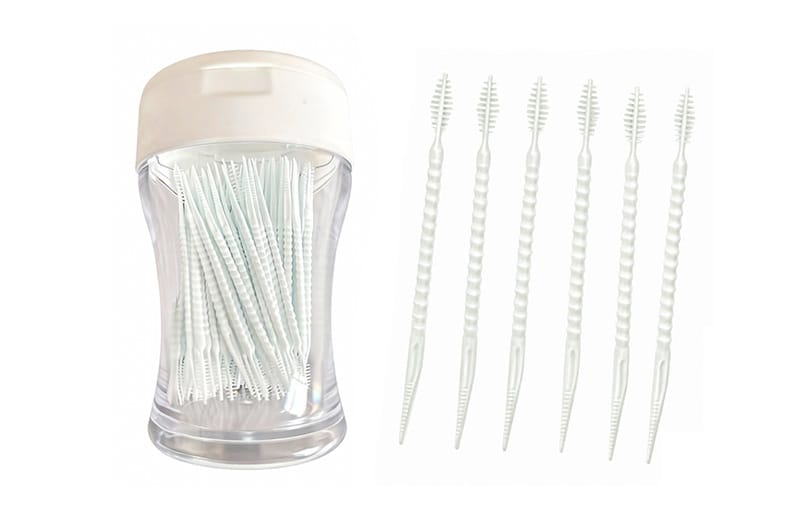
Fishbone-shaped toothpicks are designed with multiple cleaning edges.
Their advantages include:
- Fast debris removal after meals
- Slim design for tight interdental access
- Disposable hygiene control
They are not replacements for floss but act as supplementary cleaning tools.
Dental Cleaning Tools at Home Comparison (Advanced Model)
Functional Efficiency Table
| Tool Type | Plaque Removal Efficiency | Ease of Use | Target Area | Clinical Recommendation |
|---|---|---|---|---|
| Dental Floss | Very High | Medium | Tight gaps | Standard recommendation |
| Interdental Brush | High–Very High | High | Wide gaps | Orthodontics & implants |
| Floss Pick | Medium | Very High | General use | Daily convenience |
| Fishbone Toothpick | Low–Medium | Very High | Surface debris | Post-meal cleaning |
Material Science Behind Dental Cleaning Tools at Home
Food-Grade Plastic Systems
Many modern dental tools use:
- BPA-free plastics
- Food-grade PP or PE materials
These ensure:
- Safety in oral contact
- Structural flexibility
- Disposable hygiene control
Biodegradable Oral Care Trends
Emerging materials include:
- PLA biodegradable plastics
- Bamboo-based composites
- Eco-friendly polymer blends
Sustainability is becoming a major purchasing driver.
Clinical Case Insights: Real Oral Health Improvements
Case Study 1: Interdental Cleaning Impact
A clinical observation study in preventive dentistry found:
- Daily floss users reduced gingivitis risk by up to 30–40%
- Interdental cleaning reduced plaque accumulation significantly after 4 weeks
Case Study 2: Floss Pick Adoption in Urban Consumers
A consumer behavior study showed:
- 65% adoption increase due to convenience
- Higher compliance compared to traditional floss
Complete At-Home Oral Care System Design
Layered Oral Care Model
A scientifically optimized routine includes:
- Morning: brushing + floss
- Midday: fishbone toothpick or floss pick
- Evening: brushing + interdental brush
Concept of “3-Layer Cleaning System”
- Surface cleaning (toothbrush)
- Interdental deep cleaning (floss/brush)
- Supplemental cleaning (picks/toothpicks)
Market Trends in Dental Cleaning Tools at Home
Global Market Expansion
Industry analysis indicates:
- Strong growth in oral care consumables
- Rising demand for disposable hygiene tools
- Increasing adoption in Asia-Pacific markets
Consumer Behavior Shift
Modern users prefer:
- Portable tools
- Quick-use solutions
- Eco-friendly packaging
- Private-label oral care kits
B2B and Private Label Oral Care Industry Insight
Why Dental Cleaning Tools Are a Strong B2B Product
These products are widely used in:
- Dental clinics
- Pharmacies
- Retail chains
- Corporate hygiene kits
Customization Trends
Manufacturers increasingly offer:
- Logo printing
- Packaging customization
- Material selection options
- Eco-friendly product lines
Dental Cleaning Tools at Home vs Professional Cleaning
| Category | Home Tools | Dental Clinic Tools |
|---|---|---|
| Purpose | Daily maintenance | Deep cleaning |
| Frequency | Daily | 6 months |
| Cost | Low | High |
| Plaque removal | Moderate–High | Very High |
| Accessibility | Easy | Requires appointment |
Advanced Oral Hygiene Concepts
Biofilm Disruption Theory
Plaque is not just debris—it is a structured microbial biofilm.
Effective cleaning requires:
- Mechanical disruption
- Interdental penetration
- Regular removal cycles
Gingival Health Mechanism
Healthy gums depend on:
- Low bacterial load
- Consistent cleaning stimulation
- Proper interdental care
Conclusion
The evolution of dental cleaning tools at home represents a shift in global oral healthcare from reactive treatment to preventive daily maintenance.
Modern oral care is no longer a single-tool routine—it is a multi-layer hygiene system combining flossing, interdental brushing, and supplemental cleaning tools.
As consumer awareness increases and dental science continues to emphasize interdental plaque control, these tools will become standard household health products worldwide.
The future of oral hygiene is not in clinics alone—it is increasingly built into everyday home routines.
FAQ
Why do I still get cavities even if I brush daily?
Because brushing does not fully clean interdental spaces where bacteria accumulate.
What is the most effective dental cleaning tool at home?
A combination of floss + interdental brush provides the highest cleaning efficiency.
Are floss picks as good as dental floss?
They are more convenient but slightly less effective in precision cleaning.
How often should I use dental cleaning tools?
At least once daily, preferably in the evening routine.
Can interdental brushes replace floss?
Not completely. They serve different anatomical purposes.
Stay Connected! 🌟
Thanks for reading! If you enjoyed this article, don’t forget you can follow me on social media for more insights, updates, and behind-the-scenes content:
Facebook – Join the conversation and get the latest updates
YouTube – Watch tutorials, demos, and in-depth guides
Instagram – See tips, visuals, and daily inspiration
Let’s continue learning and growing together—stay connected and never miss a beat!