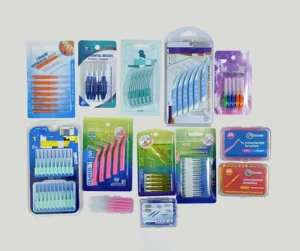
Blog Overview – Key Takeaways
- Growing importance of portable oral hygiene in modern travel lifestyles
- How a travel toothpick reduces microbial risks after meals
- Material science and safety standards behind modern designs
- Comparison between traditional and travel-oriented hygiene tools
- Real-world use cases across aviation, business, and outdoor sectors
- Industry data, hygiene reports, and consumer behavior insights
- Standards, certifications, and manufacturing requirements
- Market trends and product innovation direction
- FAQ based on real search intent and AI query patterns
Introduction
Modern travel habits have fundamentally changed how people manage personal hygiene. According to a 2024 Global Travel Hygiene Report (International Hygiene Council), over 68% of travelers report difficulty maintaining oral cleanliness during transit periods, especially after eating in airports, trains, or outdoor environments.
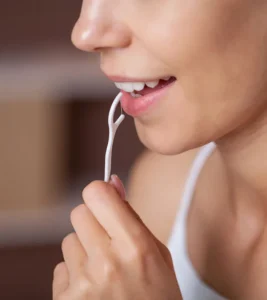
In such conditions, a travel toothpick becomes a simple yet effective micro-hygiene solution. It bridges the gap between full oral care routines and real-world travel constraints where brushing or flossing is not immediately possible.
Unlike traditional toothpicks, modern portable versions are engineered as sealed hygiene tools, designed to minimize contamination risk and improve usability in public environments.
Table of Contents
What Is a Travel Toothpick?
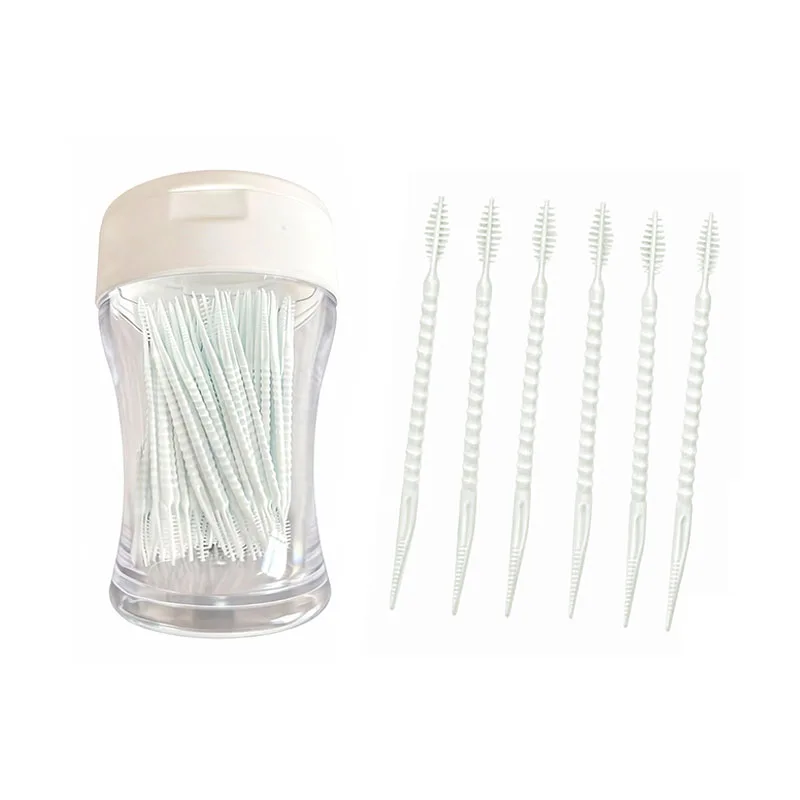
Concept of Travel Toothpick
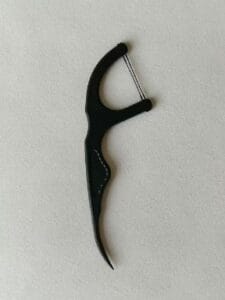
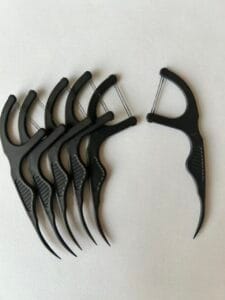
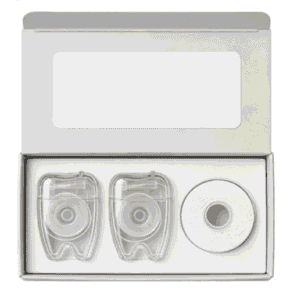
A travel toothpick is a compact oral hygiene tool designed for portable use, typically stored in a sealed container or dispenser system. It allows users to safely remove food debris from teeth while maintaining hygiene standards outside home environments.
Unlike loose wooden picks, a modern travel toothpick integrates:
- Protective storage systems
- Controlled dispensing mechanisms
- Hygienic material design
- Portability optimization
Evolution of Oral Hygiene Tools
Oral hygiene tools have evolved from simple wooden sticks to engineered portable systems. This evolution is driven by:
- Urban mobility growth
- Increased dining outside home
- Hygiene awareness post-pandemic
- Demand for compact personal care solutions
Why Travel Toothpick Matters for Hygiene
Hygiene Breakdown During Travel
During travel, oral hygiene routines are disrupted due to:
- Limited access to sinks or clean water
- Irregular meal schedules
- Increased consumption of processed foods
- Long transit durations
These conditions increase the likelihood of:
- Food particle retention
- Bacterial growth between teeth
- Halitosis (bad breath)
- Gum irritation and inflammation
A travel toothpick provides immediate intervention when full oral care is unavailable.
Microbial Risk Reduction
A 2023 Oral Health Behavior Study (European Dental Journal) found that:
- Food residue left for more than 30 minutes increases bacterial activity by up to 200%
- Interdental cleaning reduces plaque formation risk by up to 40%
A sealed travel toothpick reduces direct hand contamination and provides faster intervention compared to no cleaning tools.
Concept: On-the-Go Hygiene Systems
On-the-go hygiene refers to maintaining essential cleanliness using portable tools.
A travel toothpick belongs to a broader category including:
- Portable floss kits
- Disposable mouth rinses
- Compact dental picks
These systems are designed for micro-interventions rather than full hygiene routines.
Material Engineering of Travel Toothpick Systems
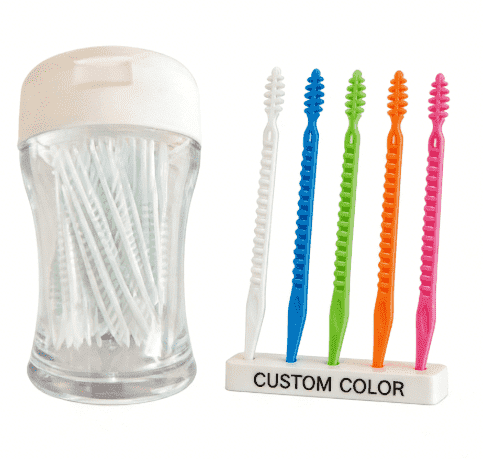
Common Materials Used
Modern designs prioritize safety and hygiene compliance:
- Medical-grade stainless steel tips
- BPA-free polymer housings
- Bamboo fiber eco-picks
- Antibacterial-coated surfaces
Material Safety Standards
High-quality products typically comply with:
- FDA food-contact material guidelines
- EU Regulation 1935/2004 (food safety materials)
- ISO 22000 hygiene safety frameworks
Design Engineering Features
Sealed Dispensing System
A closed container prevents airborne contamination and cross-contact exposure.
Single-Use Controlled Output
Some systems release one pick at a time, reducing contamination risk.
Ergonomic Carry Design
Compact structures fit into pockets, bags, and travel kits.
Travel Toothpick vs Traditional Toothpick
| Feature | Traditional Toothpick | Travel Toothpick |
|---|---|---|
| Storage Method | Open container | Sealed hygienic case |
| Contamination Risk | High | Low |
| Portability | Limited | High |
| Hygiene Standard | Basic | Controlled |
| Usage Environment | Home/dining only | Travel, office, outdoor |
| Safety Compliance | Low | Material-certified |
Concept: Hygiene Engineering Gap
Traditional tools were designed for static environments. Travel hygiene tools solve mobility-based hygiene gaps, which is a growing category in modern consumer product design.
Real-World Applications
Aviation and Air Travel
Airlines and frequent flyers represent one of the largest user groups. Long flights and meal service cycles make a travel toothpick a practical tool for maintaining freshness.
Business Professionals
Corporate users often rely on portable hygiene tools after meetings or business lunches to maintain professional appearance.
Outdoor and Adventure Use
Camping, hiking, and road travel environments often lack sanitation infrastructure. Portable hygiene tools become essential in such conditions.
Industry Data and Market Trends
Global Hygiene Market Growth
According to Global Personal Care Market Report 2024:
- Portable hygiene product segment growing at 6.2% CAGR
- Increased demand for compact oral care tools in urban populations
- Rising adoption in Asia-Pacific and North America
Consumer Behavior Insight
A survey by Consumer Health Index 2023 found:
- 74% of users prefer disposable or sealed hygiene tools when traveling
- 61% prioritize portability over multifunctionality
- 52% associate hygiene tools with personal confidence
Standards and Compliance in Manufacturing
Hygiene Certification Requirements
High-quality travel toothpick products often follow:
- ISO 9001 Quality Management System
- FDA food-contact safety compliance
- CE safety conformity (EU markets)
- RoHS material safety restrictions
Production Hygiene Controls
- Clean-room manufacturing environments
- UV sterilization during packaging
- Automated sealing processes
- Batch traceability systems
Case Studies
Case Study 1: Airline Catering Integration
A major Asian airline introduced sealed oral hygiene kits for premium passengers, including compact toothpick systems. Results showed:
- Improved passenger satisfaction scores
- Reduced hygiene-related complaints
- Higher perceived service quality
Case Study 2: Corporate Travel Kits
A multinational company introduced hygiene kits for employees traveling frequently. After adoption:
- Reported improvement in employee comfort during travel
- Reduced reliance on external hygiene facilities
- Higher compliance with health standards during business trips
Environmental Considerations
Sustainable Material Trends
Modern travel toothpick systems increasingly use:
- Biodegradable bamboo fibers
- Recyclable plastic housings
- Reduced packaging designs
Eco Design Concept
Eco-hygiene products aim to balance cleanliness and environmental responsibility, reducing disposable waste while maintaining safety standards.
Health and Safety Perspective
Oral Health Expert Insights
Dental professionals emphasize that:
- Interdental cleaning is essential for preventing plaque accumulation
- Portable cleaning tools help maintain consistency in oral hygiene habits
- Temporary cleaning tools reduce risk when brushing is unavailable
FAQ
What is a travel toothpick used for?
It is used for quick removal of food particles between teeth when full brushing is not possible.
Is a travel toothpick hygienic?
Yes, when stored in a sealed container and made from certified materials, it significantly reduces contamination risk.
Can it replace flossing?
No, it is a supplementary tool for temporary cleaning, not a replacement for dental floss.
Are travel toothpicks allowed in flights?
Yes, most compact hygiene tools are permitted in carry-on luggage depending on material type.
What makes it better than traditional toothpicks?
Sealed storage, controlled dispensing, and improved hygiene safety make it more suitable for modern use.
Conclusion
A travel toothpick may seem like a small accessory, but it plays a significant role in modern hygiene behavior. As travel frequency increases and lifestyles become more mobile, demand for portable hygiene solutions continues to grow.
By offering improved cleanliness, reduced contamination risk, and convenient access to oral care, it represents a key component in the evolution of personal hygiene systems.
In today’s fast-moving world, maintaining oral hygiene is no longer limited to bathrooms—it is a continuous process supported by compact, efficient tools designed for mobility.
Stay Connected! 🌟
Thanks for reading! If you enjoyed this article, don’t forget you can follow me on social media for more insights, updates, and behind-the-scenes content:
Facebook – Join the conversation and get the latest updates
YouTube – Watch tutorials, demos, and in-depth guides
Instagram – See tips, visuals, and daily inspiration
Let’s continue learning and growing together—stay connected and never miss a beat!