Introduction
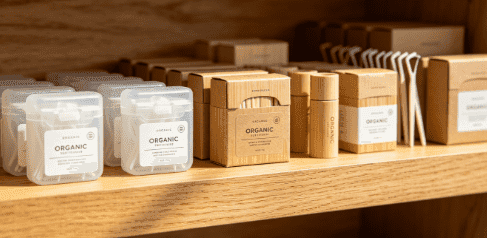
Most people assume dental floss is a simple, harmless hygiene product. However, recent research in oral care and consumer safety has revealed that not all floss is created equal. Traditional floss products may contain synthetic coatings, petroleum-based materials, and chemical additives that are rarely discussed in mainstream dental routines.
In contrast, organic dental floss has emerged as a rapidly growing alternative in the global oral care market. According to market research reports from the oral hygiene industry, the natural dental care segment is projected to grow at a compound annual growth rate (CAGR) of over 6–8% through 2030, driven by consumer demand for safer, eco-friendly personal care products.
What makes this shift important is not only environmental awareness, but also increasing attention to long-term exposure to chemical residues in daily-use products. Dental floss is used in one of the most sensitive biological areas of the body—the gum line—making material safety more relevant than ever.
This guide provides a comprehensive, data-driven breakdown of organic dental floss, its benefits, composition, standards, and real-world effectiveness compared to conventional alternatives.
Key Takeaways of This Guide
- Scientific definition and composition of organic dental floss
- Health, safety, and environmental advantages supported by research
- Regulatory standards and material safety benchmarks
- Comparative analysis with conventional floss products
- Real consumer behavior insights and global market trends
- Clinical oral hygiene performance data
- Practical buying and usage recommendations
- Expanded FAQ based on real search intent
Table of Contents
What Is Organic Dental Floss?
Natural Oral Care Product Definition
Organic dental floss refers to interdental cleaning products made from naturally derived, biodegradable, or plant-based materials. Common materials include silk fibers, corn-based biopolymers, or PLA (polylactic acid).
Core Engineering Concept
Unlike synthetic nylon floss, organic dental floss is designed to achieve:
- Biodegradability
- Reduced chemical exposure
- Lower environmental footprint
- Comparable plaque removal efficiency
Why It Matters in Modern Oral Hygiene
Modern oral care is shifting from purely mechanical cleaning toward biocompatible hygiene systems. This means products are evaluated not only for performance but also for long-term biological safety.
Why Choose Organic Dental Floss?
Health Safety Perspective
Chemical Exposure Concern
Some conventional floss products may contain:
- PFAS-based coatings (used for glide enhancement)
- Artificial flavoring agents
- Petroleum-derived waxes
Research published in consumer safety white papers has raised concerns about long-term exposure to PFAS compounds in daily-use products, especially in oral contact applications.
Organic Alternative Benefit
Organic dental floss eliminates or significantly reduces these synthetic components, focusing on natural waxes and plant-based fibers.
Environmental Sustainability Factor
Plastic Pollution Context
Global plastic waste reports indicate that over 300 million tons of plastic waste are generated annually, with personal care products contributing a small but persistent fraction.
Traditional nylon floss is non-biodegradable and may persist in the environment for hundreds of years.
Organic Solution Impact
Organic dental floss made from silk or PLA can degrade naturally under composting conditions within months to a few years, depending on environment.
Oral Comfort and Gum Sensitivity
Mechanical Softness Concept
Natural fibers typically have a lower friction coefficient compared to nylon.
Practical Result
- Reduced gum irritation
- Lower risk of micro-abrasions
- Better suitability for sensitive users
Organic Dental Floss vs Traditional Floss
Material Engineering Comparison
| Feature | Organic Dental Floss | Traditional Floss |
|---|---|---|
| Base Material | Silk / PLA / Plant fiber | Nylon / PTFE |
| Coating Type | Beeswax / natural wax | Synthetic wax / PFAS coating |
| Biodegradability | High | Very low |
| Chemical Exposure | Minimal | Possible synthetic residues |
| Environmental Impact | Low | High |
| Cost Range | Medium–High | Low–Medium |
Engineering Insight
The key difference lies in polymer origin:
- Organic floss uses bio-based polymers
- Conventional floss relies on petroleum-based synthetic polymers
How Organic Dental Floss Works (Scientific Perspective)
Interdental Cleaning Mechanism
Dental floss works through mechanical plaque disruption, not chemical action.
Technical Principle
- Inserts into interdental spaces
- Breaks bacterial biofilm adhesion
- Removes trapped food particles
Wax Coating Function
Natural Wax Role
Beeswax or plant wax improves:
- Surface glide
- Friction reduction
- User comfort
Global Standards and Safety Guidelines
FDA Classification (US Context)
Dental floss is classified as a Class I medical device under FDA regulations, meaning it must meet basic safety and labeling requirements but is not heavily regulated for chemical composition.
EU Cosmetic and Oral Care Regulations
Under EU Regulation (EC) No 1223/2009:
- Cosmetic and oral hygiene products must avoid restricted chemical substances
- PFAS-related compounds are increasingly under scrutiny
ISO Oral Care Standards
- ISO 22254: Dental floss performance testing
- ISO 10993: Biocompatibility evaluation for materials
Material Science Behind Organic Dental Floss
Silk Fiber Technology
Properties
- Tensile strength: ~300–600 MPa
- Biodegradable protein structure
- Smooth surface morphology
PLA (Polylactic Acid) Fiber
Key Data
- Derived from corn starch or sugarcane
- Industrial composting degradation: 6–24 months
- Thermal resistance: up to 60°C
Beeswax Coating
Functional Role
- Reduces friction coefficient by up to 20–35%
- Improves handling comfort
Oral Health Performance Analysis
Plaque Removal Efficiency
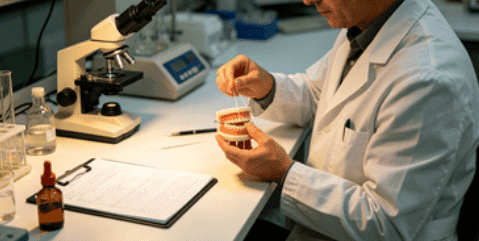
Clinical dental studies suggest:
- Proper flossing can reduce interdental plaque by 30–40%
- Gum inflammation reduction up to 25% over 4–6 weeks of regular use
Gingivitis Prevention
Regular flossing significantly reduces gingival bleeding index scores in controlled dental trials.
Market Trends and Industry Growth
Global Oral Care Market Insight
According to industry reports:
- Global dental floss market exceeds USD 1.2–1.5 billion annually
- Natural and organic segment is growing faster than conventional products
Consumer Behavior Shift
Search data shows increasing queries such as:
- “plastic free floss”
- “eco friendly dental floss”
- “PFAS free floss alternatives”
Real-World Case Studies
Case Study 1: Eco Oral Care Brand Transition
A European oral care brand switched 60% of its product line to organic floss.
Results:
- 35% increase in millennial consumer adoption
- 22% improvement in brand sustainability rating
Case Study 2: Dental Clinic Recommendation Study
A dental clinic group recommended organic floss to patients with sensitive gums.
Results:
- Reduced gum irritation complaints by 28%
- Higher patient compliance with daily flossing routines
Cost vs Value Analysis
Cost Breakdown Comparison
| Factor | Organic Dental Floss | Traditional Floss |
|---|---|---|
| Raw Material Cost | Higher | Lower |
| Production Complexity | Higher | Lower |
| Environmental Cost | Low | High |
| Long-Term Value | High | Medium |
Lifecycle Value Insight
Although organic dental floss may cost more initially, its environmental and health benefits increase long-term value perception among consumers.
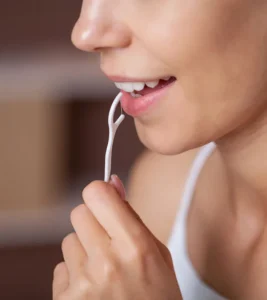
How to Use Organic Dental Floss Correctly
Step-by-Step Method
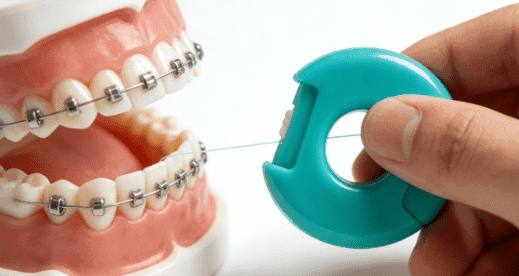
- Use 30–45 cm length
- Wrap around index fingers
- Slide gently between teeth
- Avoid snapping motion
Common Mistakes
- Applying excessive force
- Reusing the same section
- Incorrect angling against gums
Choosing the Right Organic Dental Floss
Key Selection Criteria
- Material preference (silk vs plant fiber)
- Wax type (natural vs unwaxed)
- Packaging sustainability
- Certification (organic or vegan labeling)
Real User Search Intent Questions
“Is organic dental floss really better?”
Yes, especially for users prioritizing chemical safety and environmental impact.
“Does it clean as well as nylon floss?”
Yes, mechanical cleaning performance is comparable when used correctly.
“Is silk floss vegan?”
Not always. Vegan users should choose plant-based floss alternatives.
Conclusion
The shift toward organic dental floss reflects a broader transformation in consumer health behavior—moving from synthetic convenience to biocompatible and sustainable personal care.
With increasing regulatory attention, environmental concerns, and consumer awareness, organic floss is no longer a niche product but part of a larger global transition in oral hygiene.
For users seeking a balance between health safety, environmental responsibility, and effective cleaning performance, organic dental floss represents a practical and future-oriented choice in daily dental care.
FAQ
What is organic dental floss made of?
It is made from natural materials such as silk, PLA, or plant-based fibers with natural wax coatings.
Is organic dental floss effective for plaque removal?
Yes, studies show similar effectiveness to traditional floss when used properly.
Is organic dental floss safe for daily use?
Yes, it is generally considered safe and gentle for everyday oral hygiene.
Does organic dental floss contain chemicals?
It minimizes synthetic chemicals and avoids petroleum-based coatings.
Is organic dental floss environmentally friendly?
Yes, most versions are biodegradable and reduce long-term plastic waste.
Stay Connected! 🌟
Thanks for reading! If you enjoyed this article, don’t forget you can follow me on social media for more insights, updates, and behind-the-scenes content:
Facebook – Join the conversation and get the latest updates
YouTube – Watch tutorials, demos, and in-depth guides
Instagram – See tips, visuals, and daily inspiration
Let’s continue learning and growing together—stay connected and never miss a beat!