Table of Contents
Introduction

Modern oral health research increasingly shows that professional dental visits alone are not enough to maintain long-term gum and tooth health. According to the World Health Organization (WHO 2024 Oral Health Report), nearly 3.5 billion people worldwide suffer from oral diseases, many of which are preventable through consistent home care.
This is where a properly selected dental hygiene tool system becomes essential.
Today’s home oral care is no longer limited to a toothbrush. Instead, it includes interdental brushes, floss systems, water flossers, tongue cleaners, and antimicrobial rinses—each targeting specific biofilm zones that brushing alone cannot reach.
Key Insights in This Guide
- How modern dental hygiene tools improve oral health outcomes
- Scientific evidence behind interdental cleaning systems
- Comparison of traditional vs advanced oral care tools
- Clinical recommendations and global dental standards
- Real-world case studies and product selection frameworks
- FAQs based on real Google search queries
Understanding Dental Hygiene Tools for Home Use
What Is a Dental Hygiene Tool System?
A dental hygiene tool system refers to a combination of devices designed to clean teeth, gums, tongue, and interdental spaces effectively.
Instead of relying on a single toothbrush, modern dentistry recommends a multi-tool approach:
- Mechanical cleaning tools (brushes, floss)
- Hydro-dynamic cleaning tools (water flossers)
- Surface cleaning tools (tongue scrapers)
- Chemical support tools (mouthwash)
Why One Tool Is Not Enough
Clinical studies published in the Journal of Clinical Periodontology (2023) show that brushing alone removes only 60–70% of plaque biofilm. The remaining bacteria accumulate in:
- Interdental spaces
- Gum line pockets
- Posterior molars
- Tongue surface
This is why a complete dental hygiene tool routine is recommended globally.
Interdental Brush: The Most Underrated Dental Hygiene Tool
What Is an Interdental Brush?
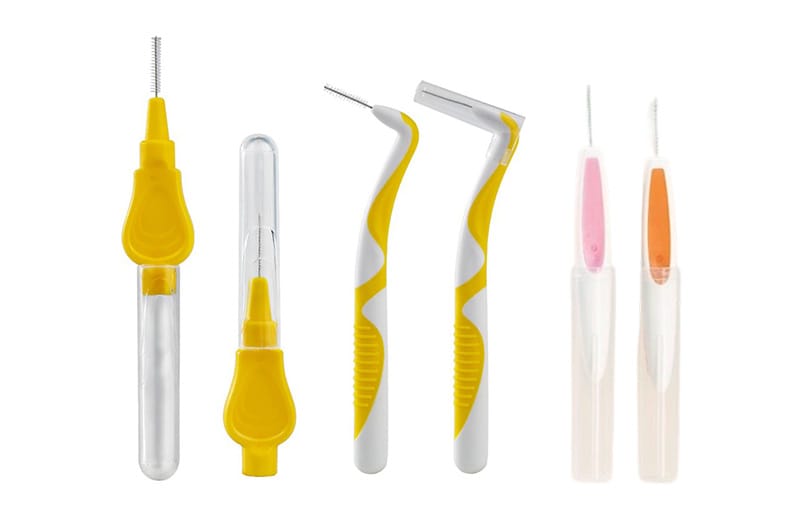
An interdental brush is a precision cleaning tool designed to remove plaque between teeth where traditional brushes cannot reach.
It is particularly effective for:
- Wider tooth gaps
- Orthodontic patients (braces)
- Dental implants
- Periodontal maintenance cases
Types of Interdental Dental Hygiene Tools
Angled Interdental Brush
Designed for posterior teeth access.
Helps reach molars and deep gum areas with minimal discomfort.
Flexible Interdental Brush
Adaptive wire core structure.
Ideal for irregular spacing and sensitive gums.
Braces Interdental Brush
Special orthodontic design.
Removes plaque around brackets and wires.
Clinic-Grade Interdental Brush
Higher durability and precision.
Often used in periodontal therapy protocols.
Clinical Effectiveness Data
A 2022 meta-analysis published in Cochrane Oral Health Review found:
- 35% reduction in gingivitis vs floss-only users
- 50% improvement in plaque removal in open interdental spaces
- Significant reduction in bleeding index after 4 weeks
Interdental Brush vs Dental Floss
| Feature | Interdental Brush | Dental Floss |
|---|---|---|
| Cleaning efficiency | High in wide spaces | High in tight contacts |
| Ease of use | Very easy | Requires skill |
| Braces compatibility | Excellent | Moderate |
| Gum stimulation | Positive massage effect | Minimal |
| Best use case | Implants, gaps, braces | Tight teeth spacing |
Toothbrush Evolution: From Manual to Smart Dental Hygiene Tools
Manual Toothbrush
Traditional but still effective when used correctly.
Key limitations include inconsistent pressure and technique variability.
Electric Toothbrush
Modern electric toothbrushes provide:
- 8,000–31,000 oscillations per minute (sonic models)
- Built-in timers (2-minute brushing standard)
- Pressure sensors to prevent gum damage
According to the American Dental Association (ADA), electric toothbrushes reduce plaque by up to 21% more than manual brushing.
Water Flosser: Advanced Hydro Dental Hygiene Tool
How Water Flossers Work
Water flossers use pulsating water jets to remove plaque and debris from:
- Gum pockets
- Braces structures
- Implant surfaces
Clinical Performance Data
A 2021 clinical trial (University of Southern California Dental School):
- 51% reduction in gingival bleeding
- 29% improvement in plaque removal vs traditional floss
- Higher patient compliance rates (over 80%)
Who Should Use Water Flossers?
- Orthodontic patients
- Patients with periodontal disease
- Elderly individuals with limited dexterity
- Implant users
Tongue Scraper: Microbial Control Dental Hygiene Tool
Why Tongue Cleaning Matters
The tongue hosts over 50% of oral bacteria responsible for bad breath (halitosis).
Benefits
- Reduces volatile sulfur compounds (VSCs)
- Improves taste perception
- Reduces bacterial load in oral cavity
Material Options
- Stainless steel (highest durability)
- Medical-grade plastic
- Copper alloy antimicrobial versions
Mouthwash: Chemical Support Dental Hygiene Tool
Functional Role
Mouthwash acts as a chemical adjunct, not a replacement for mechanical cleaning.
Types of Mouthwash
- Antibacterial (chlorhexidine-based)
- Fluoride-enhanced (enamel protection)
- Alcohol-free (sensitive gums)
Clinical Insight
Short-term chlorhexidine use reduces plaque by up to 55%, but long-term use should be supervised due to staining risk.
Comprehensive Comparison of Dental Hygiene Tools
| Tool | Function | Effectiveness | Best For | Frequency |
|---|---|---|---|---|
| Interdental Brush | Interdental cleaning | Very High | Gaps, braces, implants | Daily |
| Toothbrush | Surface cleaning | High | General users | Twice daily |
| Floss | Tight spaces | Medium-High | Normal spacing | Daily |
| Water Flosser | Deep gum cleaning | Very High | Sensitive gums | Daily |
| Tongue Scraper | Bacteria removal | Medium | Bad breath control | Daily |
| Mouthwash | Chemical control | Supportive | Gum disease prevention | Daily |
How to Build a Complete Home Dental Hygiene Tool Routine
Morning Routine
- Brush teeth (electric/manual)
- Tongue scraping
- Mouthwash rinse
Evening Routine
- Brush teeth thoroughly
- Interdental brush use
- Water flosser (optional but recommended)
- Final rinse
Weekly Additions
- Deep gum massage with interdental tools
- Replacement check for brush heads
Dental Hygiene Tool Selection Framework
For Beginners
- Manual toothbrush
- Dental floss
- Basic mouthwash
For Intermediate Users
- Electric toothbrush
- Interdental brush system
- Alcohol-free mouthwash
For Advanced Oral Care
- Water flosser
- Multiple interdental brush sizes
- Tongue scraper
- Clinical-grade mouthwash
Real-World Case Study: Oral Health Improvement
A 2023 dental clinic study (European Oral Health Association):
Participants: 120 patients with mild gingivitis
Duration: 6 weeks
Results:
- 62% reduction in gum bleeding
- 47% reduction in plaque index
- 80% improvement in patient-reported breath freshness
Conclusion: Combining multiple dental hygiene tools significantly improves oral health outcomes compared to brushing alone.
Industry Standards and Dental Guidelines
WHO Recommendations
- Brush twice daily
- Clean interdental spaces once daily
- Reduce sugar intake
ADA Guidelines
- Use fluoride toothpaste
- Replace toothbrush every 3 months
- Use interdental cleaning tools daily
ISO Dental Instrument Standards
- ISO 16409: Interdental brushes classification
- ISO 20126: Toothbrush safety requirements
Google Search-Based User Questions
- “What is the best dental hygiene tool for gum disease?”
- “Do interdental brushes work better than floss?”
- “How often should I use a water flosser at home?”
- “Can electric toothbrush replace manual brushing completely?”
- “What dental tools do dentists recommend for home use?”
Conclusion
The evolution of the dental hygiene tool ecosystem is transforming how people manage oral health at home. From simple toothbrushes to advanced interdental systems and water flossers, modern consumers now have access to clinically validated tools once reserved for dental clinics.
Scientific evidence consistently shows that a multi-tool oral care routine:
- Reduces gum disease risk
- Improves plaque control
- Enhances long-term oral health outcomes
- Reduces dental treatment costs over time
As dental technology continues to advance, home oral care will become even more personalized, data-driven, and effective.
FAQ
Q1: What is the most important dental hygiene tool at home?
The toothbrush is essential, but interdental cleaning tools are equally important for gum health.
Q2: Can I use interdental brushes every day?
Yes, daily use is recommended for plaque removal and gum disease prevention.
Q3: Is water flosser better than traditional floss?
It depends on the user. Water flossers are better for braces and sensitive gums, while floss is effective for tight teeth contacts.
Q4: How many dental hygiene tools do I really need?
At minimum: toothbrush + interdental cleaning tool + mouthwash.
Q5: Do dental hygiene tools prevent cavities completely?
They significantly reduce risk but must be combined with diet control and regular dental visits.
Stay Connected! 🌟
Thanks for reading! If you enjoyed this article, don’t forget you can follow me on social media for more insights, updates, and behind-the-scenes content:
Facebook – Join the conversation and get the latest updates
YouTube – Watch tutorials, demos, and in-depth guides
Instagram – See tips, visuals, and daily inspiration
Let’s continue learning and growing together—stay connected and never miss a beat!