Principais conclusões
- Compreender a importância clínica de ferramentas de limpeza de dentes na prevenção da doença periodontal
- Aprenda métricas de higiene bucal baseadas em evidências e padrões de saúde bucal
- Explore sistemas profissionais de limpeza interdental e ferramentas de cuidados bucais para consumidores
- Compare a eficiência da limpeza manual versus elétrica com as referências clínicas
- Analise materiais, ergonomia e engenharia de design por trás de ferramentas odontológicas
- Revise melhorias em casos odontológicos do mundo real e dados de saúde pública
- Entenda as recomendações de higiene bucal alinhadas à ISO, ADA e OMS
- Descubra estratégias de compra, uso e aplicação clínica
Introdução
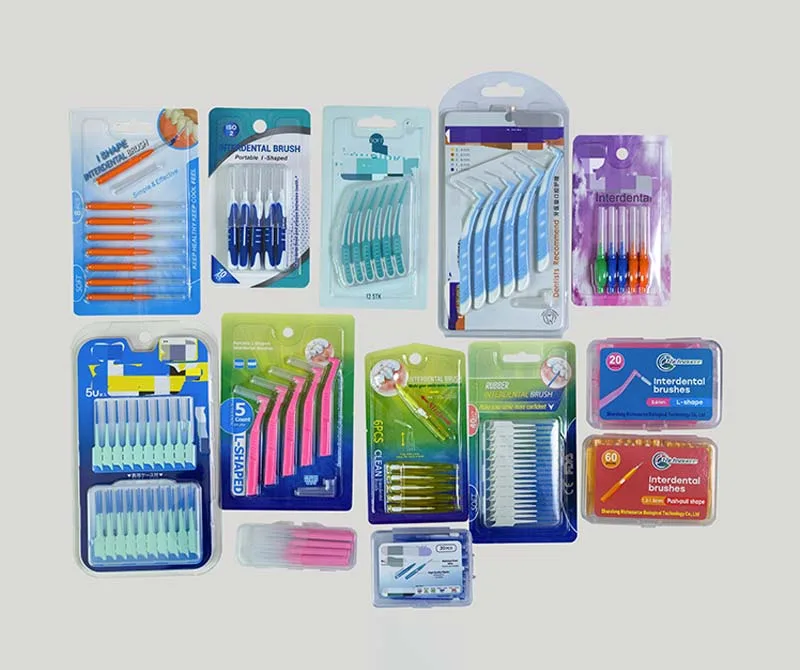
A saúde oral não é mais um tópico cosmético A saúde é uma parte central da saúde sistêmica Os relatórios da OMS indicam que bilhões de pessoas em todo o mundo sofrem de doenças bucais, a maioria das quais são evitáveis através de práticas diárias de higiene.
A odontologia moderna enfatiza a prevenção em vez do tratamento. Essa mudança elevou o papel de ferramentas de limpeza de dentes, que agora funcionam como instrumentos essenciais de saúde diária, em vez de acessórios opcionais.
Estudos clínicos mostram que a limpeza interdental adequada pode reduzir a inflamação das gengivas em até 701TP3 T em semanas Isso torna as rotinas estruturadas de cuidados bucais um fator crítico na estabilidade dentária a longo prazo.
Índice
Fundação Científica de Ferramentas de Limpeza de Dentes em Saúde Bucal
Mecanismo de Formação de Biofilme em Placa
A placa dentária é um biofilme microbiano estruturado, em vez de um simples resíduo alimentar.
Desenvolve-se através de etapas previsíveis:
- Adesão bacteriana inicial em 24 horas
- Maturação do biofilme em 57 dias
- Mineralização em cálculo após aproximadamente 10 dias
Uma vez endurecidas, as ferramentas de limpeza mecânica tornam-se menos eficazes sem intervenção profissional.
Limiares Clínicos para Doença Gengival
De acordo com as diretrizes da ADA:
- Índice de placa acima de 2030% aumenta o risco de gingivite
- Sangramento à sondagem acima de 10% indica inflamação precoce
- Profundidade do bolso além de 4 mm sugere progressão periodontal
Uso regular de ferramentas de limpeza de dentes ajuda a manter esses indicadores dentro de intervalos seguros.
Quadro de Higiene Oral da OMS
A OMS recomenda:
- Escovação duas vezes ao dia
- Limpeza interdental diária
- Ingestão controlada de açúcar
- Visitas dentárias regulares
Esta estrutura posiciona as ferramentas de higiene bucal como essenciais para a saúde preventiva.
Tipos de Ferramentas de limpeza de dentes em Odontologia Moderna
Visão geral dos sistemas de limpeza interdental
A limpeza interdental tem como alvo áreas que as escovas de dentes não podem alcançar Essas zonas são altamente propensas ao acúmulo de placas e doenças gengivais.
Sistemas de escovas interdentais (Ferramenta Clínica Principal)
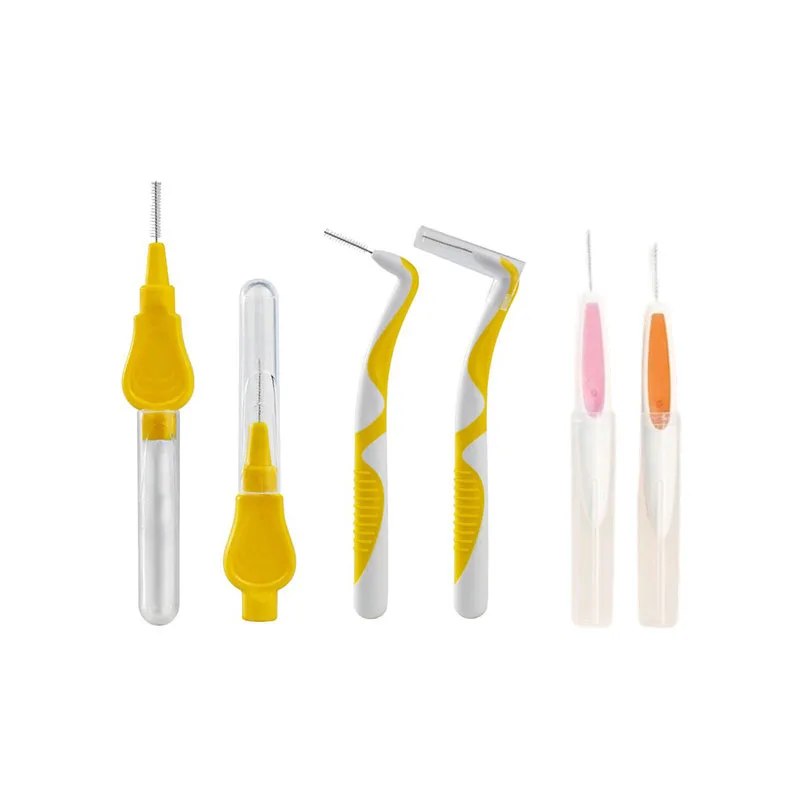
As escovas interdentais são amplamente reconhecidas como uma das mais eficazes ferramentas de limpeza de dentes para remoção de placa interdental.
Papel Clínico das Escovas Interdentais
São recomendados para:
- Lacunas dentárias mais amplas
- Pacientes ortodônticos
- Manutenção do implante
Estudos clínicos mostram até 851TP3 T eficiência de remoção de placa interdental quando usado corretamente.
Sistemas de fio dental
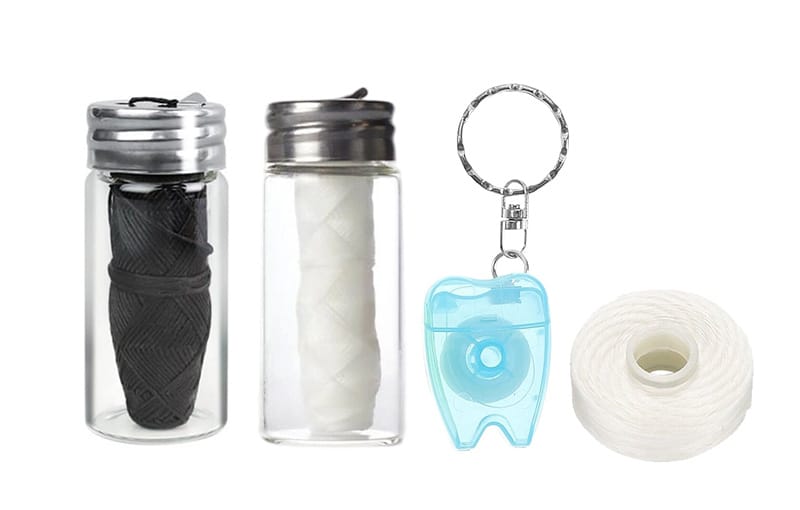
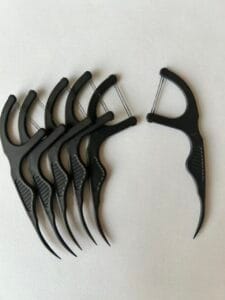
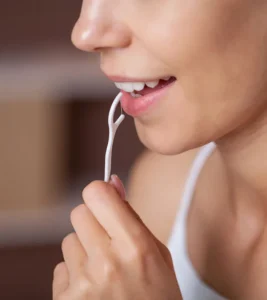
O fio dental é projetado para pontos de contato apertados entre os dentes.
Funciona através de fricção mecânica para remover detritos, mas tem eficácia limitada em espaços mais amplos em comparação com escovas interdentais.
Sistemas de Irrigação Oral
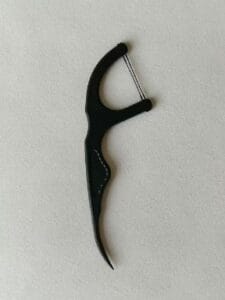
Os fio dental usam correntes de água pulsantes para remover detritos.
São particularmente úteis para
- Gomas sensíveis
- Aparelhos ortodônticos
- Manutenção do implante
Dispositivos de limpeza de língua
Os raspadores de língua removem o acúmulo bacteriano que contribui para o mau hálito.
Pesquisas indicam que até 601TP3 T de mau odor oral se origina de bactérias de revestimento da língua.
Tipos de escova interdental em Ferramentas de limpeza de dentes Categoria
Escova interdental angulada
Projetado para acesso posterior, especialmente regiões molares.
Melhora a acessibilidade em zonas orais profundas onde as ferramentas retas são menos eficazes.
Escova interdental flexível
Características estruturas de arame dobráveis.
Adapta-se ao alinhamento dentário irregular e às condições ortodônticas.
Escova Interdental Ortodôntica
Especializado para usuários de aparelho ortodôntico.
Ele remove partículas de alimentos presas em torno de suportes e fios.
Escova Interdental de Grau Clínico
Usado em clínicas dentárias para procedimentos de limpeza pré-tratamento.
Oferece maior durabilidade e controle de precisão.
Tabela de comparação de ferramentas de limpeza de dentes
| Tipo de ferramenta | Ideal para | Eficiência | Facilidade de uso | Limitação |
|---|---|---|---|---|
| Escova interdental | Lacunas e aparelhos | Muito Alto | Fácil | Precisa do tamanho correto |
| Fio dental | Dentes apertados | Médio | Moderado | Sensível à técnica |
| Irrigador oral | Gomas sensíveis | Alto | Fácil | Custo do equipamento |
| Raspador de língua | Controle respiratório | Médio | Muito Fácil | Função limitada |
| Escova Elétrica | Escovação diária | Alto | Fácil | Dependência bateria |
Como as ferramentas de limpeza dos dentes melhoram a saúde bucal
Mecanismo de controle de placa
Essas ferramentas interrompem o biofilme bacteriano antes que ele endureça e se transforme em tártaro.
Isso reduz significativamente as complicações dentárias a longo prazo.
Função de limpeza da linha de goma
A linha gengival é uma área de alto risco para acúmulo bacteriano.
A limpeza adequada reduz:
- Inflamação
- Sangramento
- Risco de recessão gengival
Eficiência de Limpeza Interdental
A limpeza interdental remove até 401TP3 T mais placa do que a escovação sozinha.
Isso o torna uma etapa essencial nas rotinas de higiene bucal.
Projeto de engenharia atrás das ferramentas de limpeza dos dentes
Design de alça ergonômica
Estruturas de aderência otimizadas reduzem a fadiga das mãos durante a limpeza.
Isso melhora a precisão e a usabilidade durante as rotinas diárias.
Estrutura de segurança do núcleo do fio
As escovas interdentais modernas usam núcleos revestidos de aço inoxidável.
Isso reduz o risco de trauma gengival, mantendo a flexibilidade.
Engenharia de materiais de cerdas
Os materiais comuns incluem:
- Nylon PA6 (uso padrão)
- PA610 (uso flexível)
- Filamentos de nível médico (uso clínico)
Estudos de casos clínicos usando Ferramentas de limpeza de dentes
Estudo de Redução da Gengivite
Um programa clínico de 12 semanas mostrou
- Redução de 62% no sangramento gengival
- Redução da placa 48%
- Melhor estabilidade periodontal
Caso de cuidados bucais ortodônticos
Os pacientes que usavam aparelho mostraram:
- 70% menos lesões de manchas brancas
- Melhor estabilidade da saúde das gengivas
Estudo de Manutenção de Implantes
Usuários de escovas interdentais experientes:
- Redução de 55% na inflamação peri-implantar
Saúde Pública e Dados da Indústria
Relatórios da OMS:
- 3,5 mil milhões de pessoas afetadas por doenças orais
- 2,3 bilhões têm cárie não tratada
- Apenas 30% realizam limpeza interdental diária
Isto destaca a importância global de ferramentas de limpeza de dentes adoção.
Padrões e conformidade de materiais
Padrões ISO
- ISO 20126: requisitos para escovas de dentes
- ISO 22254: teste de filamento
- ISO 16409: especificações de escovas interdentais
Conformidade Regulatória
Ferramentas orais de alta qualidade devem atender:
- Padrões de dispositivos médicos da FDA
- Certificação CE
- Teste de biocompatibilidade (ISO 10993)
Como Escolher Ferramentas de limpeza de dentes
Seleção por Condição Dentária
- Espaçamento apertado → fio dental
- Largas lacunas → escova interdental
- Aparelhos → ferramentas interdentais flexíveis
- Implantes → escovas de cerdas macias
Lista de verificação de avaliação do comprador
- Grau de maciez de cerdas
- Lidar com ergonomia
- Segurança do revestimento do fio
- Disponibilidade da faixa de tamanho
- Ciclo substituição
Protocolo de uso para ferramentas de limpeza de dentes

Rotina Diária
Manhã:
- Escovação elétrica
- Limpeza língua
Noite:
- Limpeza interdental
- Fio opcional ou irrigação com água
Rotina Odontológica Profissional
Os dentistas recomendam:
- Limpeza interdental antes da escovação
- Escovação por 2 minutos no mínimo
- Exames regulares de limpeza profunda
Inovações em ferramentas de limpeza de dentes
Dispositivos inteligentes de cuidados bucais
As ferramentas modernas incluem:
- Sensores pressão
- IA escovação feedback
- Sistemas de rastreamento Bluetooth
Tecnologia de Revestimento Antibacteriano
Os revestimentos de íons de prata reduzem o crescimento bacteriano em até 99%.
Materiais Sustentáveis de Cuidados Orais
Os desenvolvimentos ecológicos incluem:
- Alças recicláveis
- Plásticos biodegradáveis
- Componentes à base de bambu
Perguntas frequentes
O que são ferramentas de limpeza de dentes usado para?
Eles removem placas e detritos de dentes, gengivas e espaços interdentais para prevenir doenças bucais.
Quais ferramentas de limpeza de dentes são mais eficazes?
As escovas interdentais são consideradas as mais eficazes para a limpeza interdental.
As ferramentas de limpeza de dentes podem substituir a escovação?
Não. São complementares e devem ser utilizados juntamente com a escovação.
As escovas interdentais são seguras para gengivas?
Sim, quando corretamente dimensionados e usados suavemente, eles são seguros e eficazes.
Com que frequência devem ser usadas ferramentas de limpeza de dentes?
Os dentistas recomendam o uso diário para uma saúde bucal ideal.
As ferramentas elétricas melhoram os resultados de limpeza?
Sim. melhoram a consistência e a eficiência da remoção da placa em comparação com a escovação manual.
Conclusão
A saúde bucal moderna depende de um design científico ferramentas de limpeza de dentes para manter a saúde bucal a longo prazo Essas ferramentas vão além da escovação básica, visando espaços interdentais, linhas de gengiva e biofilmes bacterianos.
Com a validação clínica, as recomendações globais de saúde e a inovação tecnológica contínua, as ferramentas de higiene oral tornaram-se componentes essenciais dos sistemas de saúde preventiva.
O uso consistente e correto dessas ferramentas pode reduzir significativamente o risco de doenças dentárias, melhorar a saúde das gengivas e apoiar um sorriso saudável e duradouro.
Mantenha-se conectado! 🌟
Obrigado pela leitura! Se você gostou deste artigo, não se esqueça de me seguir nas redes sociais para mais informações, atualizações e conteúdo exclusivo dos bastidores:
Facebook – Participe da conversa e receba as últimas atualizações.
YouTube – Assista a tutoriais, demonstrações e guias detalhados.
Instagram – Veja dicas, imagens e inspiração diária.
Vamos continuar aprendendo e crescendo juntos — mantenham-se conectados e não percam nada!