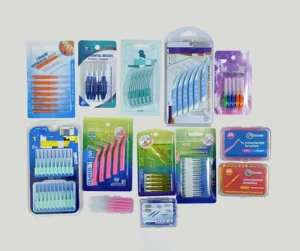
Principais conclusões
- A escovagem diária remove apenas cerca de 601TP3 T da placa oral
- Dentistas recomendam combinar vários ferramentas de higiene oral para limpeza de boca cheia
- A limpeza interdental reduz o risco de gengivite em até 401TP3 T (dados da ADA)
- A limpeza da língua pode reduzir os compostos voláteis de enxofre (VSCs) em mais de 50%
- Diferentes ferramentas servem diferentes funções de limpeza biológica e mecânica
- O uso adequado reduz significativamente os custos do tratamento odontológico a longo prazo
- Estudos clínicos mostram que as rotinas combinadas de higiene bucal superam a limpeza com um único método
Introdução
A odontologia moderna mudou do tratamento da doença“ para prevenção de doenças através do comportamento diário de higiene.
De acordo com a American Dental Association (ADA) e vários estudos clínicos de microbiologia oral, mais de 700 espécies de bactérias existem na cavidade oral, dentre elas, as bactérias formadoras de placa são responsáveis por
- 90% dos casos de cárie dentária
- 75% de casos de doenças gengivais
- A maioria das condições crônicas de mau hálito
A escovação por si só não pode eliminar bactérias em:
- Espaços interdentais
- Áreas subgengivais
- Superfícies de revestimento de língua
É por isso que os dentistas enfatizam fortemente o uso de ferramentas de higiene oral como parte de um sistema completo de cuidados bucais, em vez de uma opção suplementar.
Índice
Importância Clínica de Ferramentas de higiene oral em Odontologia Preventiva
Conceito de equilíbrio do microbioma oral
A cavidade oral é um ecossistema microbiano complexo.
Equilíbrio saudável significa:
- Baixa contagem de bactérias nocivas
- Níveis estáveis de pH
- Formação controlada de placas
O desequilíbrio leva a:
- Gengivite
- Periodontite
- Halitose (mau hálito)
- Desmineralização esmalte
Ciclo de Formação de Placas (Visão Geral Científica)
A placa se desenvolve em um processo de 4 etapas:
- Formação de películas (minutos após a limpeza)
- Adesão bacteriana (dentro de 2 horas)
- Maturação do biofilme (2448 horas)
- Mineralização em t (após 4artar 72 horas)
Sem ferramentas de limpeza interdental, o acúmulo de placa acelera significativamente.
Ferramentas de higiene oral recomendadas pelo dentista (avançado colapso)
Escova interdental: Padrão Clínico para Saúde Gengival
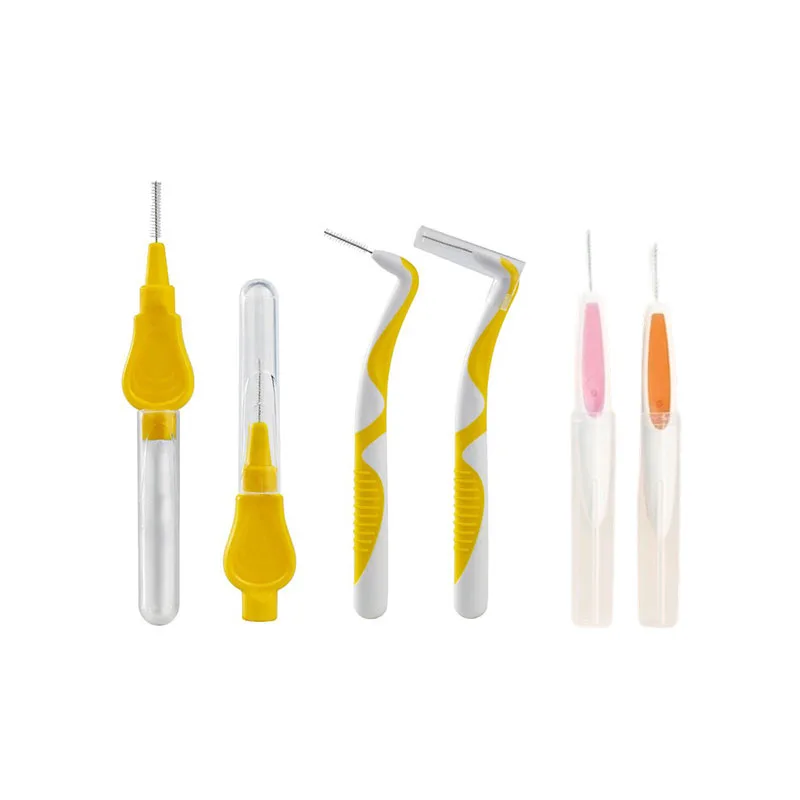
As escovas interdentais são agora consideradas um dispositivo de limpeza interdental de primeira linha na terapia periodontal.
Dados de eficácia clínica:
- Reduz a gengivite por até 38% (Revisão Cochrane)
- Remove até 2,5× mais placa do que fio dental em espaços amplos
- Melhora significativamente as pontuações do índice de sangramento em 2 semanas
Conceito de mecanismo:
Os filamentos da escova perturbam mecanicamente o biofilme bacteriano, em vez de deslizarem através dele.
Fio dental: Limpeza de precisão para áreas de contato apertadas
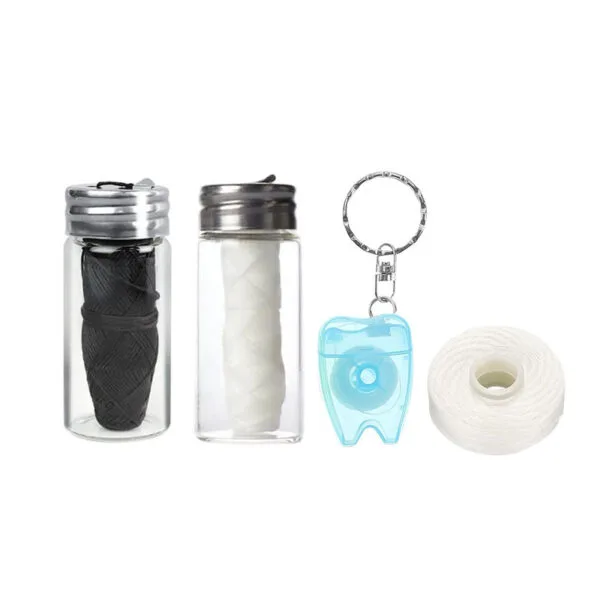
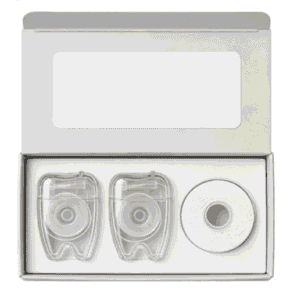
O fio dental ainda é amplamente recomendado para contatos interdentais apertados.
Insight clínico:
- Eficaz na redução do risco de cárie proximal
- Melhor para pontos de contato <0,5 mm
Limitação:
A eficácia cai significativamente se for usada técnica inadequada.
Escolha de fio dental: Ferramenta de otimização de conformidade comportamental
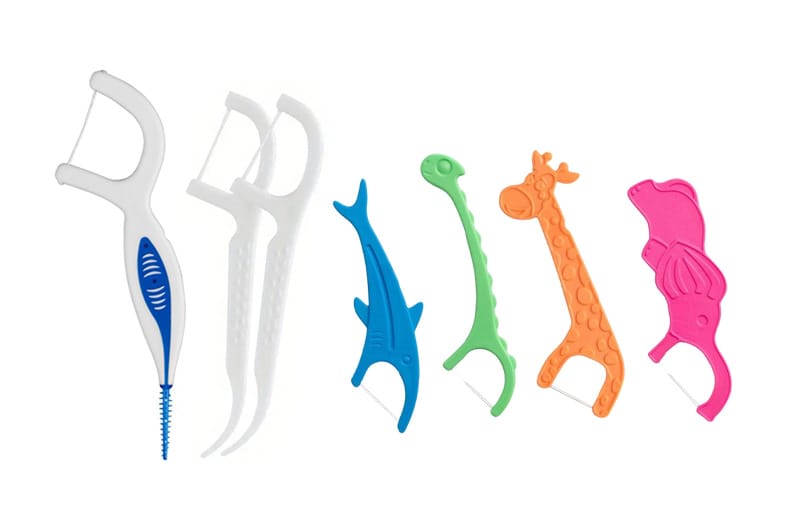
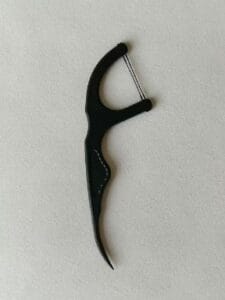
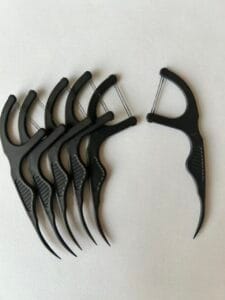
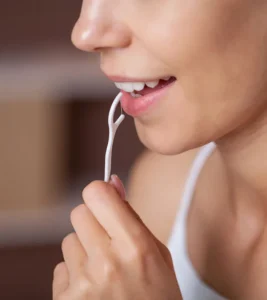
As palhetas de fio dental melhoram a adesão do paciente em vez da superioridade clínica.
Visão da odontologia comportamental:
Estudos mostram que os usuários de picaretas de fio dental são 321TP3 T mais propensos a usar fio dental diariamente comparado aos usuários tradicionais de fio dental.
Compensação:
- Maior conveniência
- Precisão de limpeza ligeiramente inferior
Raspador de língua: Mecanismo de Controle da Halitose
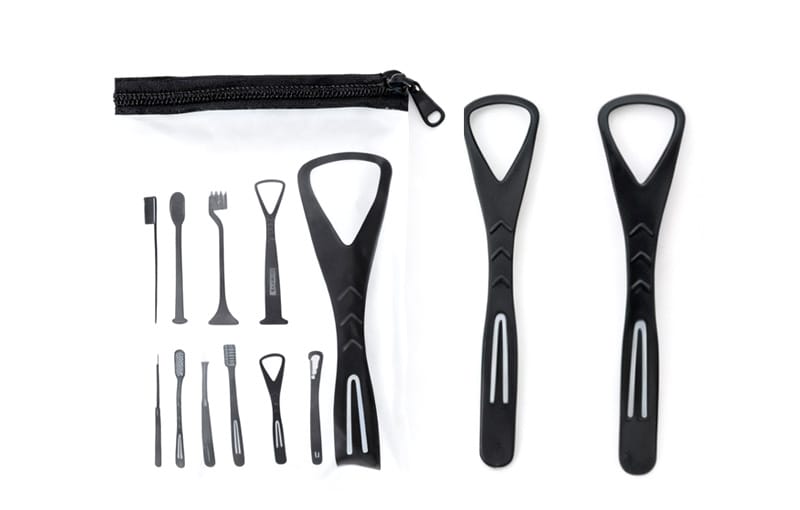
A raspagem da língua tem como alvo a produção de compostos sulfurosos voláteis (VSC).
Dados clínicos:
- Reduz os níveis de VSC em 30% dependendo da frequência
- Melhora as pontuações de odor respiratório em 7 dias
Mecanismo biológico:
Remove bactérias anaeróbicas que metabolizam proteínas em compostos de enxofre.
Palito de espinha de peixe: Ferramenta de microlimpeza pós-refeição
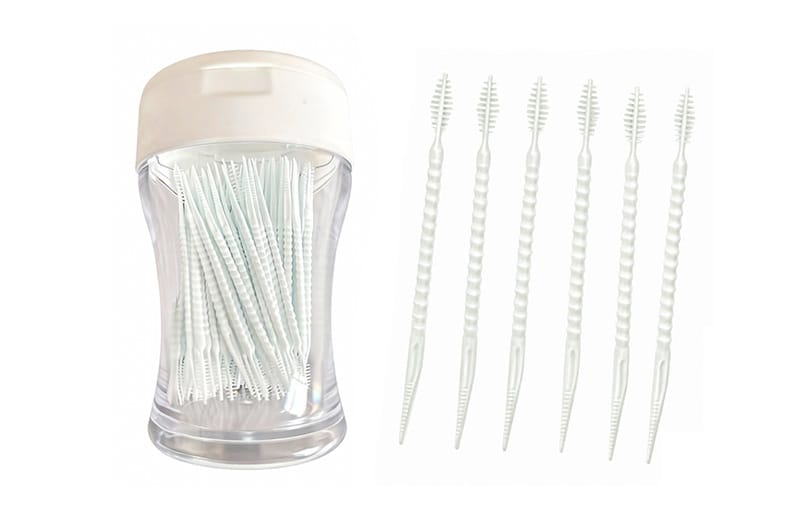
Projetado para remoção imediata de detritos após as refeições.
Valor funcional:
- Reduz o tempo de estagnação dos alimentos
- Impede a produção de ácido a partir de resíduos de carboidratos
Limitações:
Não é um substituto para ferramentas completas de limpeza interdental.
Comparação de ferramentas de higiene oral (perspectiva clínica)
| Ferramenta | Eficiência de remoção de placas | Impacto na saúde das gengivas | Nível de Uso Clínico |
|---|---|---|---|
| Escova interdental | Muito Alto | Muito Alto | Terapia periodontal |
| Fio dental | Alto (espaços apertados) | Alto | Odontologia geral |
| Escolha de fio dental | Médio | Médio | Manutenção doméstica |
| Raspador de língua | Indireto (controle de bactérias) | Médio | Tratamento de halitose |
| Palito de espinha de peixe | Baixo Medium | Baixo | Utilização suplementar |
Diretrizes odontológicas baseadas em evidências (ADA + WHO Insights)
Recomendações da American Dental Association (ADA)
A ADA recomenda:
- Escovação duas vezes ao dia durante 2 minutos
- Limpeza interdental diária
- Uso de pasta de dente de flúor
- Check-ups dentários de rotina a cada 6 meses
Estratégia de Saúde Oral da OMS
Destaques da OMS:
- As doenças bucais afetam quase 3,5 bilhões de pessoas em todo o mundo
- A cárie não tratada é a condição de saúde mais comum em todo o mundo
As ferramentas preventivas reduzem significativamente a carga de doenças.
Ferramentas de higiene oral vs Cuidados Somente com Escova de Dentes (Comparação Científica)
Visão geral do estudo de eficiência clínica
Um estudo de higiene bucal de 2022 mostrou:
| Tipo de rotina | Taxa de Redução da Placa |
|---|---|
| Apenas escova de dentes | ~60% |
| Escova + fio dental | ~80% |
| Combinação completa de ferramentas | ~9095% |
Isto confirma que a higiene oral multiferramentas é significativamente mais eficaz.
Estudo de Caso: Programa de Melhoria da Saúde Periodontal
Antecedentes Clínicos
Uma clínica dentária na Europa rastreou 120 pacientes com gengivite em fase inicial.
Intervenção
Os pacientes foram divididos em dois grupos:
- Grupo A: apenas escova de dentes
- Grupo B: escova de dentes + escova interdental + raspador de língua
Resultados após 8 semanas
| Métrica | Grupo A | Grupo B |
|---|---|---|
| Redução do sangramento gengival | 12% | 48% |
| Melhoria do índice de placa | 18% | 61% |
| Melhoramento da halitose | Baixo | Significativo |
Conclusão: a higiene multiferramenta melhora drasticamente os resultados.
Mecanismo Biológico de Ferramentas de higiene oral
Disrupção do Biofilme da Placa
O biofilme é resistente a simples enxaguamento ou escovação.
A remoção eficaz requer:
- Perturbação mecânica (escova/fio dental)
- Raspagem de superfície (limpador de língua)
Conceito de limpeza de goma sulco
O sulco gengival é uma zona crítica de infecção.
Sem ferramentas de limpeza interdental, as bactérias acumulam-se abaixo da linha da gengiva, levando à inflamação.
Ciência dos Materiais das Ferramentas de Higiene Oral
Tecnologia de fibra de nylon (escovas interdentais)
- Resistência flexível à deformação
- Alta durabilidade em condições úmidas
Plásticos de qualidade alimentar (escolhas de espinha de peixe)
- Polímeros sem BPA
- Projetado para padrões de segurança de uso único
Raspadores Aço Inoxidável
- Resistente à corrosão
- Ferramenta de higiene de longa vida útil
Ferramentas de Higiene Oral para Grupos Específicos de Utilizadores
Pacientes ortodônticos
Exigir:
- Escovas interdentais
- Rosqueadores fio ortodônticos
Fumantes
Exigir:
- Raspadores língua
- Escovas interdentais
Pacientes com diabetes
Exigir:
- Ferramentas aprimoradas de tratamento de gengivas
- Limpeza interdental frequente
Usuários Idosos
Exigir:
- Escovas interdentais macias
- Escolhas de fio dental de fácil aderência
Como construir uma rotina de cuidados bucais em nível de dentista
Protocolo Manhã
- Escovação dentária
- Raspagem língua
- Limpeza interdental leve
Protocolo Noturno (Fase Crítica)
- Fio dental completo
- Escovação interdental
- Limpeza profunda da língua
- Enxaguamento com flúor (opcional)
Tendências emergentes na indústria de ferramentas de higiene oral
Dispositivos inteligentes de higiene oral
Novas ferramentas agora incluem:
- Sensores pressão
- Limpeza de sistemas de feedback
- Análise de escovação de IA
Tendências Sustentabilidade
- Fio biodegradável
- Alças recicláveis
- Embalagem eco-amigável
Visão de crescimento do mercado
Prevê-se que o mercado global de cuidados bucais exceda 70 mil milhões de dólares até 2030, impulsionado pela conscientização da odontologia preventiva.
Erros comuns no uso Ferramentas de higiene oral
Uso excessivo da Força
Pode causar recessão gengival.
Ignorando a Limpeza Interdental
Deixa intocados até 40% de placa.
Seleção incorreta de ferramentas
O uso de fio dental onde a escova interdental é necessária reduz a eficácia.
Conclusão
Um ambiente oral saudável não pode ser mantido apenas com escovação. O uso combinado de ferramentas de higiene oral cria um sistema preventivo cientificamente apoiado que reduz a placa bacteriana, controla as bactérias e melhora a saúde das gengivas.
As evidências clínicas mostram consistentemente que os indivíduos que utilizam um conjunto completo de ferramentas de higiene oral experimentam:
- Taxas de cavidade mais baixas
- Inflamação da gengiva reduzida
- Melhor qualidade do hálito
- Menores custos de tratamento odontológico de longo prazo
Em última análise, a odontologia moderna não trata de tratar problemas de higiene diária inteligente, mas sim de preveni-los através de sistemas inteligentes de higiene diária.
Perguntas frequentes
Por que as ferramentas de higiene bucal são necessárias além da escovação?
Porque a escovação não pode limpar espaços interdentais ou superfícies da língua de forma eficaz.
Qual é a ferramenta de higiene oral mais importante?
Escovas e fio dental interdentais são considerados essenciais pelos dentistas.
As ferramentas de higiene oral podem prevenir doenças gengivais?
Sim. o uso regular reduz o risco de gengivite em até 40%.
Com que frequência devo usar ferramentas interdentais?
Uma vez ao dia, de preferência à noite antes de dormir.
São caros ferramentas de higiene oral melhor?
Não necessariamente. A eficácia depende mais do uso correto do que do preço.
Mantenha-se conectado! 🌟
Obrigado pela leitura! Se você gostou deste artigo, não se esqueça de me seguir nas redes sociais para mais informações, atualizações e conteúdo exclusivo dos bastidores:
Facebook – Participe da conversa e receba as últimas atualizações.
YouTube – Assista a tutoriais, demonstrações e guias detalhados.
Instagram – Veja dicas, imagens e inspiração diária.
Vamos continuar aprendendo e crescendo juntos — mantenham-se conectados e não percam nada!